

Lyft's Ride Gets Bumpy: Earnings Expected To Fall Short While Market Shifts


Earnings Forecast: Lyft is expected to report second-quarter earnings below analyst expectations, with projected EBITDA of $97 million and gross bookings of $4.05 billion, raising concerns about consumer trends and market share against competitors like Uber.
Market Performance: Despite the earnings outlook, Lyft's stock gained 3.03% in mid-day trading, and several ETFs tracking Lyft also saw increases, indicating some investor confidence amidst the challenges.
Trade with 70% Backtested Accuracy
Analyst Views on XTN
About the author


AI Disrupted the Trucking Industry: 3 Vehicles to Consider Post-AI Frenzy


Market Reactions: Transportation stocks experienced a sharp decline following news about Algorhythm Holdings' new platform that could disrupt shipping volumes, leading to concerns among traders about the impact of AI on employment in various sectors.
Stock Performance: The SPDR S&P Transportation ETF initially dropped by 7.7% but later recovered to a loss of only 2.4%, indicating volatility in the market and potential opportunities for investors.
AI Impact on Trading: High-frequency trading algorithms reacted quickly to market headlines, causing significant fluctuations in stock prices, which traders need to navigate carefully to avoid losses.
Investment Opportunities: Despite recent downturns, some transportation stocks have shown strong performance in early 2026, suggesting potential buying opportunities for investors looking to capitalize on market corrections.

Freight Brokers Fall to AI Disruption: Which Other Stocks Remain Secure?


- Freight Brokers and AI: Freight brokers, once seen as beneficiaries of artificial intelligence, are now facing challenges from software companies leveraging AI technology.
- Shift in Perception: The shift in perception highlights the evolving landscape of the freight industry as AI continues to advance and disrupt traditional roles.
- Impact on the Industry: This change suggests that freight brokers may need to adapt to remain competitive in an increasingly automated environment.
- Future Considerations: The situation raises questions about the long-term implications of AI on various sectors within the logistics and transportation industries.

Transportation Stocks Reach All-Time Highs, Indicating a Strong Bullish Trend


- Market Trends: The stock market is experiencing growth this year, driven by the transportation sector, including planes, trains, automobiles, trucks, railroads, and boats.
- Cultural Reference: The title "Planes, Trains and Automobiles" references a classic 1980s comedy, highlighting the intersection of entertainment and economic themes.

Sean Duffy: Updated Fuel Economy Standards May Revive the '70s Station Wagon

Fuel Economy Standards Proposal: The Trump administration's proposal to reduce fuel economy standards may lead to a resurgence of station wagons, as Transportation Secretary Sean Duffy suggests it will provide more consumer choices in vehicle types.
Impact on Vehicle Production: The National Highway Traffic Safety Administration noted that current fuel economy requirements have significantly influenced automakers to favor minivans and SUVs over station wagons, which have seen a decline in production.
Mini-Cars in the U.S.: Duffy is also advocating for the introduction of mini-cars in the U.S. market, inspired by Japan's kei cars, despite their current inability to meet federal safety and speed standards.
Consumer Affordability: The administration believes that mini-cars could offer a more affordable transportation option for urban areas, although they may not be suitable for highway use.
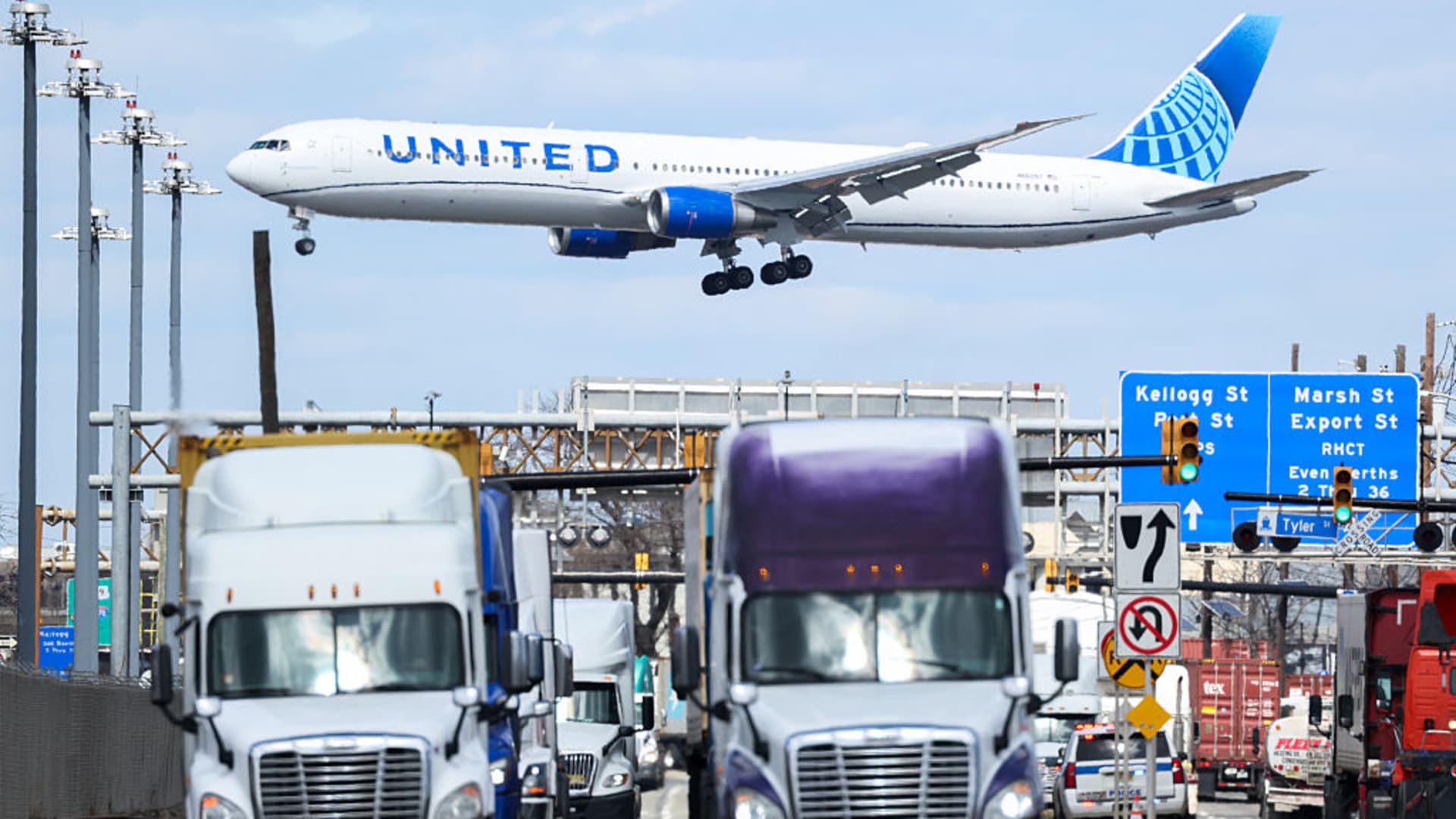
Key Stock Developments on Friday: Factors That May Influence the Market in the Upcoming Trading Session


Inflation Data Release: On Thursday morning, inflation data, including personal consumption expenditures (PCE), consumer spending, and personal income, will be released, with expectations of a 0.3% increase in PCE.
Transportation Sector Performance: The State Street SPDR Transportation ETF (XTN) has risen 4.6% over four days, nearing its 52-week high, driven by significant gains in trucking stocks like Saia and Old Dominion Freight Line.
SoFi Technologies Stock Reaction: SoFi Technologies announced a new public offering of common stock, leading to a 6% decline in its stock after hours, despite being up over 90% year-to-date.
Victoria's Secret Quarterly Numbers: Victoria's Secret is set to release its quarterly earnings, with shares having increased 62% since the last report, although they remain about 15% below their 52-week high.

Transportation Stocks Experience Their Biggest Surge Since 2020: Here's the Reason Behind It


Transportation Stocks Surge: Transportation stocks have experienced their strongest rally since November 2020, with the Dow Jones Transportation Average rising for eight consecutive sessions and the broader sector up nearly 15% in that time.
Economic Indicators: Analysts view the transportation sector as a key indicator of economic momentum, with recent data suggesting robust growth, including a projected 3.9% GDP growth for Q3 2025 and strong services-sector activity.
Factors Driving the Rally: The surge in transportation stocks is attributed to rising expectations for Federal Reserve rate cuts, falling Treasury yields, easing fuel prices, and stabilizing freight volumes, alongside a shift in investor focus towards cyclical sectors.
Future Outlook: The ongoing rally indicates confidence in a resilient U.S. economy entering 2026, with potential for continued growth in transportation stocks if current trends persist and rate cuts are implemented as expected.
AI Disrupted the Trucking Industry: 3 Vehicles to Consider Post-AI Frenzy
Market Reactions: Transportation stocks experienced a sharp decline following news about Algorhythm Holdings' new platform that could disrupt shipping volumes, leading to concerns among traders about the impact of AI on employment in various sectors.
Stock Performance: The SPDR S&P Transportation ETF initially dropped by 7.7% but later recovered to a loss of only 2.4%, indicating volatility in the market and potential opportunities for investors.
AI Impact on Trading: High-frequency trading algorithms reacted quickly to market headlines, causing significant fluctuations in stock prices, which traders need to navigate carefully to avoid losses.
Investment Opportunities: Despite recent downturns, some transportation stocks have shown strong performance in early 2026, suggesting potential buying opportunities for investors looking to capitalize on market corrections.
Freight Brokers Fall to AI Disruption: Which Other Stocks Remain Secure?
- Freight Brokers and AI: Freight brokers, once seen as beneficiaries of artificial intelligence, are now facing challenges from software companies leveraging AI technology.
- Shift in Perception: The shift in perception highlights the evolving landscape of the freight industry as AI continues to advance and disrupt traditional roles.
- Impact on the Industry: This change suggests that freight brokers may need to adapt to remain competitive in an increasingly automated environment.
- Future Considerations: The situation raises questions about the long-term implications of AI on various sectors within the logistics and transportation industries.
Transportation Stocks Reach All-Time Highs, Indicating a Strong Bullish Trend
- Market Trends: The stock market is experiencing growth this year, driven by the transportation sector, including planes, trains, automobiles, trucks, railroads, and boats.
- Cultural Reference: The title "Planes, Trains and Automobiles" references a classic 1980s comedy, highlighting the intersection of entertainment and economic themes.
Sean Duffy: Updated Fuel Economy Standards May Revive the '70s Station Wagon
Fuel Economy Standards Proposal: The Trump administration's proposal to reduce fuel economy standards may lead to a resurgence of station wagons, as Transportation Secretary Sean Duffy suggests it will provide more consumer choices in vehicle types.
Impact on Vehicle Production: The National Highway Traffic Safety Administration noted that current fuel economy requirements have significantly influenced automakers to favor minivans and SUVs over station wagons, which have seen a decline in production.
Mini-Cars in the U.S.: Duffy is also advocating for the introduction of mini-cars in the U.S. market, inspired by Japan's kei cars, despite their current inability to meet federal safety and speed standards.
Consumer Affordability: The administration believes that mini-cars could offer a more affordable transportation option for urban areas, although they may not be suitable for highway use.
Key Stock Developments on Friday: Factors That May Influence the Market in the Upcoming Trading Session
Inflation Data Release: On Thursday morning, inflation data, including personal consumption expenditures (PCE), consumer spending, and personal income, will be released, with expectations of a 0.3% increase in PCE.
Transportation Sector Performance: The State Street SPDR Transportation ETF (XTN) has risen 4.6% over four days, nearing its 52-week high, driven by significant gains in trucking stocks like Saia and Old Dominion Freight Line.
SoFi Technologies Stock Reaction: SoFi Technologies announced a new public offering of common stock, leading to a 6% decline in its stock after hours, despite being up over 90% year-to-date.
Victoria's Secret Quarterly Numbers: Victoria's Secret is set to release its quarterly earnings, with shares having increased 62% since the last report, although they remain about 15% below their 52-week high.
Transportation Stocks Experience Their Biggest Surge Since 2020: Here's the Reason Behind It
Transportation Stocks Surge: Transportation stocks have experienced their strongest rally since November 2020, with the Dow Jones Transportation Average rising for eight consecutive sessions and the broader sector up nearly 15% in that time.
Economic Indicators: Analysts view the transportation sector as a key indicator of economic momentum, with recent data suggesting robust growth, including a projected 3.9% GDP growth for Q3 2025 and strong services-sector activity.
Factors Driving the Rally: The surge in transportation stocks is attributed to rising expectations for Federal Reserve rate cuts, falling Treasury yields, easing fuel prices, and stabilizing freight volumes, alongside a shift in investor focus towards cyclical sectors.
Future Outlook: The ongoing rally indicates confidence in a resilient U.S. economy entering 2026, with potential for continued growth in transportation stocks if current trends persist and rate cuts are implemented as expected.




