Kinder Morgan (KMI) Expected EPS of $0.37, 15.63% YoY Growth
Written by Emily J. Thompson, Senior Investment Analyst
Updated: Jan 21 2026
0mins

Should l Buy CACI?
Source: NASDAQ.COM
- Earnings Forecast: Kinder Morgan is expected to report an EPS of $0.37 for Q4 2025, reflecting a 15.63% increase year-over-year, indicating robust growth potential in the oil and gas sector.
- Industry Comparison: CACI anticipates an EPS of $6.41, a 7.73% increase from the previous year, having exceeded expectations every quarter in the past year, showcasing its competitive edge in the computer services industry.
- Financial Performance: Pinnacle Financial Partners forecasts an EPS of $2.32, representing a 22.11% increase year-over-year, consistently beating expectations over the past year, highlighting its strong market performance.
- Significant Growth: Live Oak Bancshares expects an EPS of $0.56, a remarkable 154.55% increase, reflecting rapid growth and an increase in market share within the banking sector.
Trade with 70% Backtested Accuracy
Stop guessing "Should I Buy CACI?" and start using high-conviction signals backed by rigorous historical data.
Sign up today to access powerful investing tools and make smarter, data-driven decisions.
Analyst Views on CACI
Wall Street analysts forecast CACI stock price to rise
9 Analyst Rating
8 Buy
1 Hold
0 Sell
Strong Buy
Current: 629.750

Low
675.00
Averages
737.25
High
800.00
Current: 629.750
Low
675.00
Averages
737.25
High
800.00
About CACI
CACI International Inc (CACI) is a holding company, which operates through its subsidiaries located in the United States and Europe. It is a provider of expertise and differentiated technology to customers in support of national security in the intelligence, defense, and federal civilian sectors. Its segments include Domestic Operations and International Operations. The Domestic Operations segment provides expertise and technology to U.S. federal government agencies. The International Operations segment provides expertise and technology to international government and commercial customers. It provides a diverse mix of IT services and proprietary data and software products, serving commercial and government customers throughout the United Kingdom, continental Europe and around the world. Its software offerings consist of signals intelligence (SIGINT), electronic warfare (EW), and intelligence, surveillance, and reconnaissance (ISR), across multiple domains, platforms, and customer sets.
About the author

Emily J. Thompson
Emily J. Thompson, a Chartered Financial Analyst (CFA) with 12 years in investment research, graduated with honors from the Wharton School. Specializing in industrial and technology stocks, she provides in-depth analysis for Intellectia’s earnings and market brief reports.

Geopolitical Conflict Boosts Drone Demand
- Drone Market Growth: Analysts indicate that the Ukraine-Russia war has driven demand for drone systems, which is expected to enhance the sector's attractiveness, particularly as U.S. investment in unmanned systems increases.
- Rising Demand for Counter-Drone Tech: With Iran deploying low-cost long-range drones against U.S. targets, BTIG analysts note that production and distribution of counter-drone systems are increasing to address escalating threats, with AeroVironment and Leonardo DRS positioned as primary beneficiaries.
- Increased Defense Budget: The fiscal 2025 National Defense Authorization Act raised the budget for counter-drone programs by approximately $336 million, reflecting the U.S. government's commitment to unmanned systems, especially in countering emerging threats.
- Optimistic Market Outlook: AeroVironment is projected to capture hundreds of millions in market opportunities, particularly after the U.S. military selected its counter-drone systems, and analysts' strong buy ratings reflect confidence in the company's future growth prospects.
See More
Anthropic Designated Supply Chain Risk by Trump Administration


- Supply Chain Risk Declaration: The Trump administration's designation of Anthropic as a supply chain risk has prompted 10 startups working with the Department of Defense to cease using its Claude model and seek alternatives, potentially impacting about 80% of Anthropic's enterprise revenue.
- Defense Contract Implications: Major defense contractors like Lockheed Martin are expected to remove Anthropic's technology from their supply chains, which could lead to a decline in Anthropic's market share within the defense sector and adversely affect future revenue growth.
- Legal Response Possibility: Anthropic has indicated it may appeal the supply chain risk designation through legal channels, although no formal action has been taken yet; if the designation becomes official, it would restrict the use of Claude in defense contracts, potentially affecting its business with other clients.
- Market Reaction and Alternatives: Several defense tech firms are proactively transitioning their workforce away from Claude to other models, and while Anthropic's product is regarded as excellent, the reliance on it for defense contracts is now under scrutiny, posing challenges for its continued use in sensitive environments.
See More

OpenAI's Controversial Partnership with the Pentagon


- DoD Partnership Agreement: OpenAI's $200 million contract with the Department of Defense allows its models to be used in non-classified contexts, while the new arrangement enables deployment across classified networks, highlighting the company's significance in government projects.
- Operational Decision Constraints: CEO Sam Altman stated in an all-hands meeting that while the DoD respects OpenAI's technical expertise, operational decisions ultimately rest with the Secretary of Defense, raising employee concerns about the company's direction.
- Competitor Dynamics: Following OpenAI's agreement with the DoD, rival Anthropic was labeled a 'Supply-Chain Risk to National Security' and banned from using its technology, illustrating the intense competition and policy implications within the industry.
- Safety and Collaboration: Altman acknowledged that the partnership with the DoD appeared 'opportunistic and sloppy,' yet emphasized the agency's commitment to safety and willingness to collaborate with OpenAI, indicating potential ethical and security challenges the company may face in the future.
See More
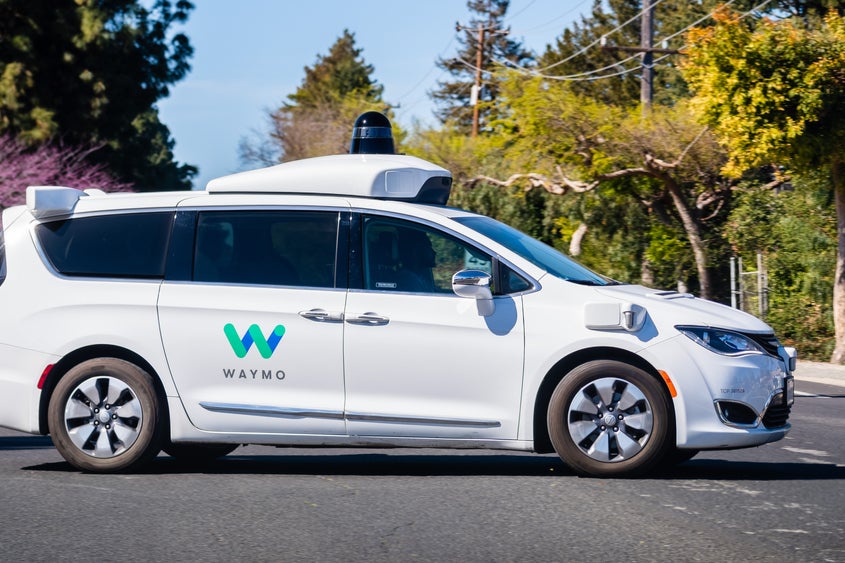
Tech Workers Demand Limits on Military Collaboration

- Employee Solidarity: Nearly 900 tech workers from Google and OpenAI signed an open letter demanding clear limits on military collaboration in response to U.S. strikes on Iran and sanctions against Anthropic, indicating rising discontent within the industry regarding government military partnerships.
- Support for Anthropic: Hundreds of tech workers signed another letter urging the Department of Defense to withdraw its 'supply chain risk' designation against Anthropic, emphasizing that American tech companies should not face retaliation for refusing government demands, reflecting strong opposition to governmental overreach.
- Google's Military Negotiations: Google is reportedly in talks with the Pentagon to deploy its AI model Gemini onto classified systems, raising employee concerns about the company's military collaborations, especially following past internal protests against similar projects, highlighting a growing demand for transparency.
- Historical Lessons and Principles: Google faced significant employee protests in 2018 over Project Maven, leading to the non-renewal of the contract and the establishment of 'AI Principles'; however, recent negotiations have raised questions about the relevance of these principles, particularly concerning human rights and ethical usage.
See More

Iran Faces Severe Internet Blackout Amid Conflict
- Current Internet Blackout: Iran is experiencing a near-total internet blackout lasting over 48 hours amid ongoing conflict with the U.S. and Israel, with connectivity at just 1% of normal levels, severely impacting over 90 million citizens and highlighting the government's strict control over information flow.
- Historical Context: NetBlocks attributes this blackout to a 'regime-imposed' nationwide shutdown, reminiscent of a similar incident in January that lasted weeks and obscured severe human rights violations, indicating the government's tendency to employ such tactics during public protests to maintain control.
- Cyber Attack Threats: U.S. and Israeli cyberattacks have targeted Iranian internet infrastructure, with multiple government-aligned news websites hacked, and even the popular religious calendar app BadeSaba, with over 5 million downloads, compromised, indicating a psychological warfare strategy against the populace.
- Potential Cyber Retaliation: As Iran retaliates with strikes against U.S. and allied targets, analysts warn that Iranian-aligned groups may initiate cyber attacks, with CrowdStrike's head noting observed activities consistent with Iranian threat actors, suggesting that more aggressive cyber operations may be forthcoming.
See More

Congressional Democrats Negotiate DHS Funding with White House

- Congressional Negotiations: Congressional Democrats are closely reviewing a counteroffer from the White House to fund the Department of Homeland Security (DHS), which has been shut down since February 14 due to a failure to reach an immigration enforcement deal, indicating ongoing tensions on critical issues.
- Enforcement Reform Demands: Democrats are pushing for significant reforms to DHS's immigration enforcement tactics, including banning federal immigration agents from wearing masks, mandating body cameras, and requiring judicial warrants for home searches, aimed at increasing enforcement transparency and reducing violence incidents.
- Funding Crisis Impact: While most DHS employees are deemed essential and continue to work, some may face unpaid work if the shutdown persists, particularly in subagencies like the Transportation Security Administration, Coast Guard, and Federal Emergency Management Agency, potentially leading to disruptions in critical services.
- White House Pressure: A White House official stated that Democrats need to act to end the shutdown to prevent more Americans from being harmed due to a lack of funding for critical services like disaster relief, reflecting the urgency of the government in resolving this crisis.
See More
Geopolitical Conflict Boosts Drone Demand
- Drone Market Growth: Analysts indicate that the Ukraine-Russia war has driven demand for drone systems, which is expected to enhance the sector's attractiveness, particularly as U.S. investment in unmanned systems increases.
- Rising Demand for Counter-Drone Tech: With Iran deploying low-cost long-range drones against U.S. targets, BTIG analysts note that production and distribution of counter-drone systems are increasing to address escalating threats, with AeroVironment and Leonardo DRS positioned as primary beneficiaries.
- Increased Defense Budget: The fiscal 2025 National Defense Authorization Act raised the budget for counter-drone programs by approximately $336 million, reflecting the U.S. government's commitment to unmanned systems, especially in countering emerging threats.
- Optimistic Market Outlook: AeroVironment is projected to capture hundreds of millions in market opportunities, particularly after the U.S. military selected its counter-drone systems, and analysts' strong buy ratings reflect confidence in the company's future growth prospects.
See More
Anthropic Designated Supply Chain Risk by Trump Administration
- Supply Chain Risk Declaration: The Trump administration's designation of Anthropic as a supply chain risk has prompted 10 startups working with the Department of Defense to cease using its Claude model and seek alternatives, potentially impacting about 80% of Anthropic's enterprise revenue.
- Defense Contract Implications: Major defense contractors like Lockheed Martin are expected to remove Anthropic's technology from their supply chains, which could lead to a decline in Anthropic's market share within the defense sector and adversely affect future revenue growth.
- Legal Response Possibility: Anthropic has indicated it may appeal the supply chain risk designation through legal channels, although no formal action has been taken yet; if the designation becomes official, it would restrict the use of Claude in defense contracts, potentially affecting its business with other clients.
- Market Reaction and Alternatives: Several defense tech firms are proactively transitioning their workforce away from Claude to other models, and while Anthropic's product is regarded as excellent, the reliance on it for defense contracts is now under scrutiny, posing challenges for its continued use in sensitive environments.
See More
OpenAI's Controversial Partnership with the Pentagon
- DoD Partnership Agreement: OpenAI's $200 million contract with the Department of Defense allows its models to be used in non-classified contexts, while the new arrangement enables deployment across classified networks, highlighting the company's significance in government projects.
- Operational Decision Constraints: CEO Sam Altman stated in an all-hands meeting that while the DoD respects OpenAI's technical expertise, operational decisions ultimately rest with the Secretary of Defense, raising employee concerns about the company's direction.
- Competitor Dynamics: Following OpenAI's agreement with the DoD, rival Anthropic was labeled a 'Supply-Chain Risk to National Security' and banned from using its technology, illustrating the intense competition and policy implications within the industry.
- Safety and Collaboration: Altman acknowledged that the partnership with the DoD appeared 'opportunistic and sloppy,' yet emphasized the agency's commitment to safety and willingness to collaborate with OpenAI, indicating potential ethical and security challenges the company may face in the future.
See More
Tech Workers Demand Limits on Military Collaboration
- Employee Solidarity: Nearly 900 tech workers from Google and OpenAI signed an open letter demanding clear limits on military collaboration in response to U.S. strikes on Iran and sanctions against Anthropic, indicating rising discontent within the industry regarding government military partnerships.
- Support for Anthropic: Hundreds of tech workers signed another letter urging the Department of Defense to withdraw its 'supply chain risk' designation against Anthropic, emphasizing that American tech companies should not face retaliation for refusing government demands, reflecting strong opposition to governmental overreach.
- Google's Military Negotiations: Google is reportedly in talks with the Pentagon to deploy its AI model Gemini onto classified systems, raising employee concerns about the company's military collaborations, especially following past internal protests against similar projects, highlighting a growing demand for transparency.
- Historical Lessons and Principles: Google faced significant employee protests in 2018 over Project Maven, leading to the non-renewal of the contract and the establishment of 'AI Principles'; however, recent negotiations have raised questions about the relevance of these principles, particularly concerning human rights and ethical usage.
See More
Iran Faces Severe Internet Blackout Amid Conflict
- Current Internet Blackout: Iran is experiencing a near-total internet blackout lasting over 48 hours amid ongoing conflict with the U.S. and Israel, with connectivity at just 1% of normal levels, severely impacting over 90 million citizens and highlighting the government's strict control over information flow.
- Historical Context: NetBlocks attributes this blackout to a 'regime-imposed' nationwide shutdown, reminiscent of a similar incident in January that lasted weeks and obscured severe human rights violations, indicating the government's tendency to employ such tactics during public protests to maintain control.
- Cyber Attack Threats: U.S. and Israeli cyberattacks have targeted Iranian internet infrastructure, with multiple government-aligned news websites hacked, and even the popular religious calendar app BadeSaba, with over 5 million downloads, compromised, indicating a psychological warfare strategy against the populace.
- Potential Cyber Retaliation: As Iran retaliates with strikes against U.S. and allied targets, analysts warn that Iranian-aligned groups may initiate cyber attacks, with CrowdStrike's head noting observed activities consistent with Iranian threat actors, suggesting that more aggressive cyber operations may be forthcoming.
See More
Congressional Democrats Negotiate DHS Funding with White House
- Congressional Negotiations: Congressional Democrats are closely reviewing a counteroffer from the White House to fund the Department of Homeland Security (DHS), which has been shut down since February 14 due to a failure to reach an immigration enforcement deal, indicating ongoing tensions on critical issues.
- Enforcement Reform Demands: Democrats are pushing for significant reforms to DHS's immigration enforcement tactics, including banning federal immigration agents from wearing masks, mandating body cameras, and requiring judicial warrants for home searches, aimed at increasing enforcement transparency and reducing violence incidents.
- Funding Crisis Impact: While most DHS employees are deemed essential and continue to work, some may face unpaid work if the shutdown persists, particularly in subagencies like the Transportation Security Administration, Coast Guard, and Federal Emergency Management Agency, potentially leading to disruptions in critical services.
- White House Pressure: A White House official stated that Democrats need to act to end the shutdown to prevent more Americans from being harmed due to a lack of funding for critical services like disaster relief, reflecting the urgency of the government in resolving this crisis.
See More