JPMorgan Launches New Product For Investors Betting On Falling Volatility (CORRECTED)
Written by Emily J. Thompson, Senior Investment Analyst
Updated: Mar 21 2025
0mins


Source: Benzinga
Launch of VYLD ETN: JP Morgan Chase has introduced the Inverse VIX Short-Term Futures ETN (VYLD), designed to profit from decreasing market volatility, despite widespread expectations for increased volatility in the near future.
Risks and Strategy: The VYLD ETN follows an index that shorts CBOE Volatility Index futures and aims to provide lower drawdowns compared to other short VIX products, although volatility-linked ETNs have a history of significant failures.
Trade with 70% Backtested Accuracy
Stop guessing "Should I Buy JPM?" and start using high-conviction signals backed by rigorous historical data.
Sign up today to access powerful investing tools and make smarter, data-driven decisions.
Analyst Views on JPM
Wall Street analysts forecast JPM stock price to rise
19 Analyst Rating
11 Buy
7 Hold
1 Sell
Moderate Buy
Current: 300.260

Low
260.00
Averages
341.38
High
400.00
Current: 300.260
Low
260.00
Averages
341.38
High
400.00
About JPM
JPMorgan Chase & Co. is a financial holding company. The Company is engaged in investment banking, financial services for consumers and small businesses, commercial banking, financial transaction processing and asset management. The Company operates through three segments: Consumer & Community Banking (CCB), Commercial & Investment Bank (CIB), and Asset & Wealth Management (AWM). Its CCB segment offers products and services to consumers and small businesses through bank branches, ATMs, digital and telephone banking. Its CIB segment consists of banking and payments and markets and securities services, and offers a suite of investment banking, lending, payments, market-making, financing, custody and securities products and services to a global base of corporate and institutional clients. AWM segment offers investment and wealth management solutions. It offers multi-asset investment management solutions, retirement products and services, brokerage, custody, estate planning, and others.
About the author

Emily J. Thompson
Emily J. Thompson, a Chartered Financial Analyst (CFA) with 12 years in investment research, graduated with honors from the Wharton School. Specializing in industrial and technology stocks, she provides in-depth analysis for Intellectia’s earnings and market brief reports.
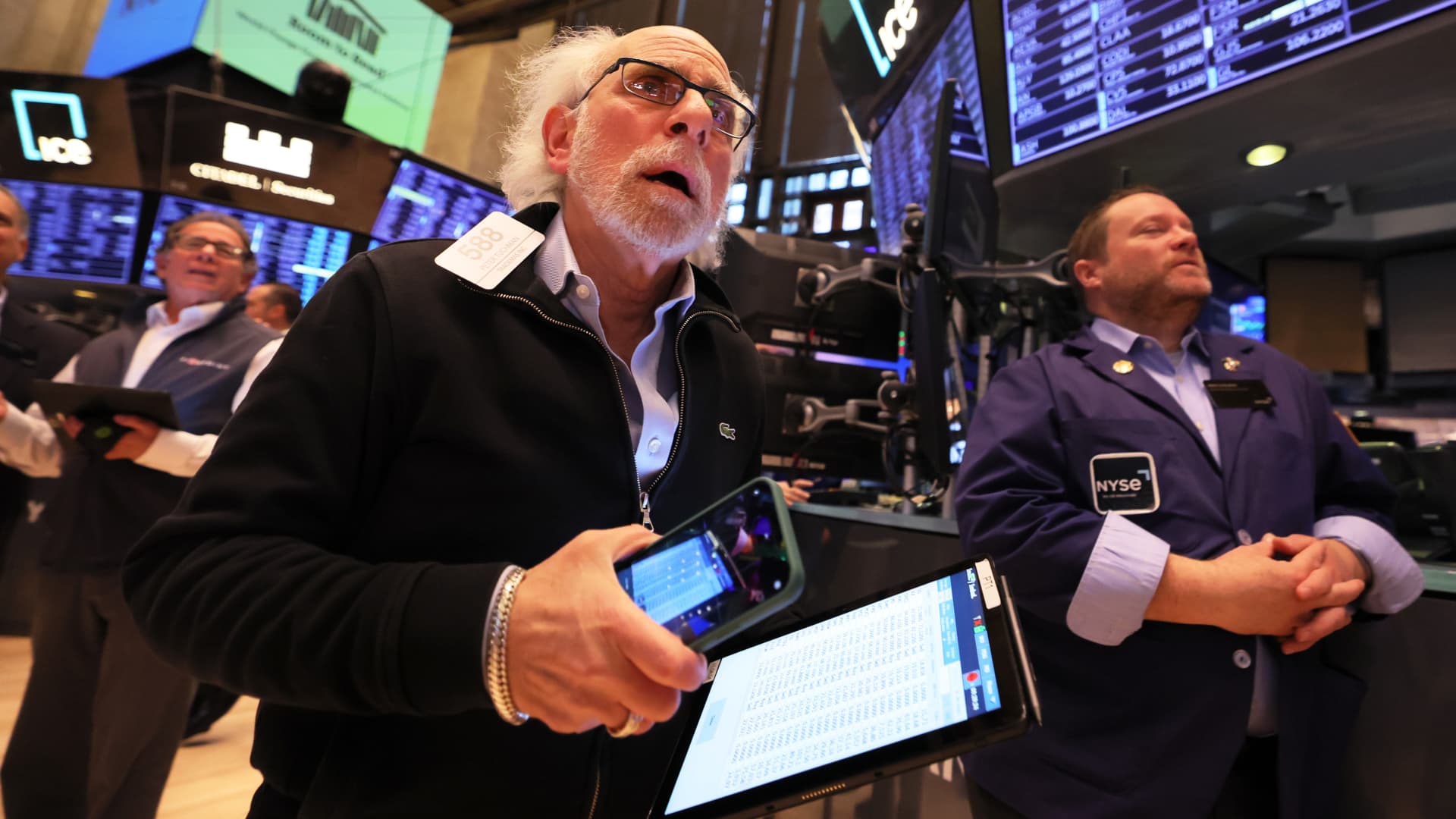
JPMorgan Chase Schedules 2027 Financial Results Conference Calls

- Earnings Call Schedule: JPMorgan Chase plans to hold conference calls on April 13, July 13, October 12, 2027, and January 14, 2028, at 8:30 a.m. Eastern Time to review its financial results, providing a structured timeline for investors.
- Financial Data Release: The financial results will be released at approximately 6:45 a.m. Eastern Time on the specified dates, ensuring timely access to critical financial information that enhances transparency and investor confidence.
- Live Webcast and Materials: The calls will feature live audio webcasts and presentation slides available on JPMorgan Chase's website under Investor Relations, facilitating global investor participation and improving engagement with stakeholders.
- Company Background: As of December 31, 2025, JPMorgan Chase reported $4.4 trillion in assets and $362 billion in stockholders' equity, positioning itself as a leading financial services firm with significant influence in investment banking and asset management sectors.
See More

Coinbase CEO Meets Trump to Push for Crypto Legislation


- High-Level Meeting: Coinbase CEO Brian Armstrong met privately with President Trump at the White House on Tuesday, after which Trump urged banks to make a good deal with the crypto industry on social media, indicating a shared agenda in pushing for crypto legislation.
- Legislative Support: The CLARITY Act mentioned by Trump is reportedly threatened by banks, with Armstrong previously accusing them of stifling competition, highlighting the escalating tension between the crypto sector and traditional banking institutions.
- Market Reaction: Coinbase shares surged over 15% following the news, trading around $209, reflecting market optimism regarding the prospects of crypto legislation, particularly in light of potential growth in stablecoin-related revenues.
- Political Funding: The Fairshake super PAC has raised $190 million for the 2026 midterms, primarily funded by Coinbase, Ripple, and Andreessen Horowitz, indicating the growing political influence of the crypto industry, which may impact the legislative process.
See More
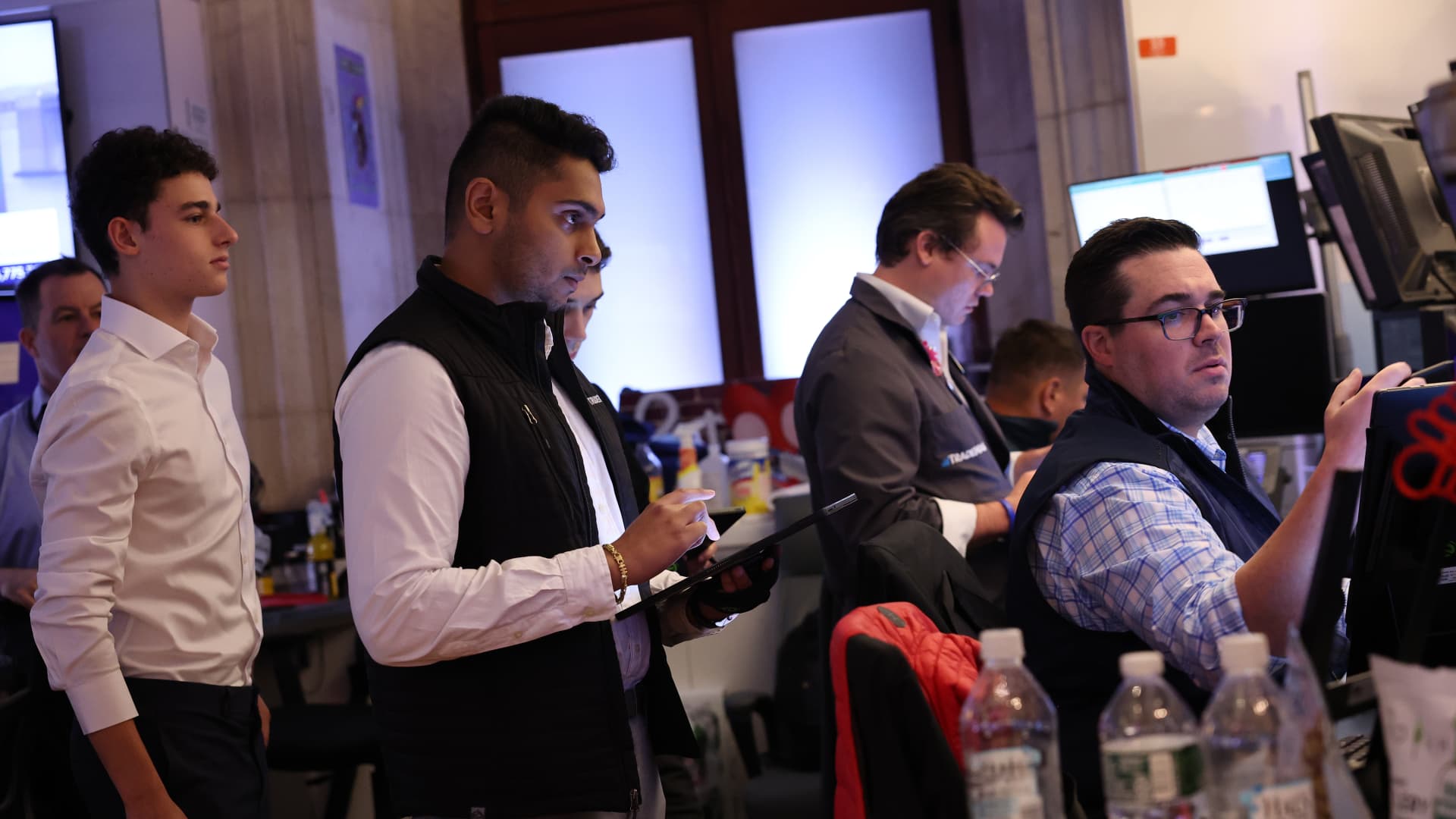
Stable Investment Choices Amid Market Turbulence

- Increased Market Volatility: The S&P 500 has faced significant swings in 2026 due to factors like the Iran conflict and tariff uncertainties, with the CBOE Volatility Index (VIX) rising over 50% since the start of the year, indicating heightened market instability.
- Advantages of High-Yield Stocks: High-yield dividend stocks tend to be more stable during turbulent times, as they are mature businesses with stable revenue streams, although they are not completely immune to market fluctuations.
- Vanguard High Dividend Yield ETF: The Vanguard High Dividend Yield ETF (VYM) tracks stocks with above-average dividend yields, holding 562 stocks primarily from large, established companies, with a low expense ratio of 0.04%, making it attractive for income-seeking investors.
- Minimum Volatility ETF Strategy: The iShares MSCI U.S. Minimum Volatility Factor ETF (USMV) focuses on creating a portfolio of low-volatility stocks, featuring 170 stocks with an expense ratio of 0.15% and a 3-year beta of 0.59, significantly lower than the S&P 500's beta of 1.00, appealing to investors looking to minimize downside risk.
See More
Comparison of LQD and SCHQ Bond ETFs
- Cost and Yield Comparison: SCHQ's expense ratio stands at 0.03%, significantly lower than LQD's 0.14%, while both maintain similar dividend yields of 4.43% and 4.44%, making SCHQ more appealing for cost-conscious investors, particularly those averse to risk.
- Portfolio Risk Analysis: LQD boasts over 3,071 investment-grade corporate bonds with a maximum drawdown of 24.96%, whereas SCHQ's maximum drawdown reaches 46.13%, highlighting LQD's superior volatility management, making it suitable for investors seeking stable returns.
- Long-Term Performance Assessment: As of March 2026, LQD's five-year growth stands at $1,021 compared to SCHQ's $792, indicating LQD's better long-term investment returns despite facing higher credit risk.
- Interest Rate Sensitivity Consideration: SCHQ has an effective duration of 13.8 years, reflecting its high sensitivity to interest rate changes, which could present opportunities for investors amid the Federal Reserve's easing monetary policy, but may also introduce unwanted volatility for those seeking stable income.
See More
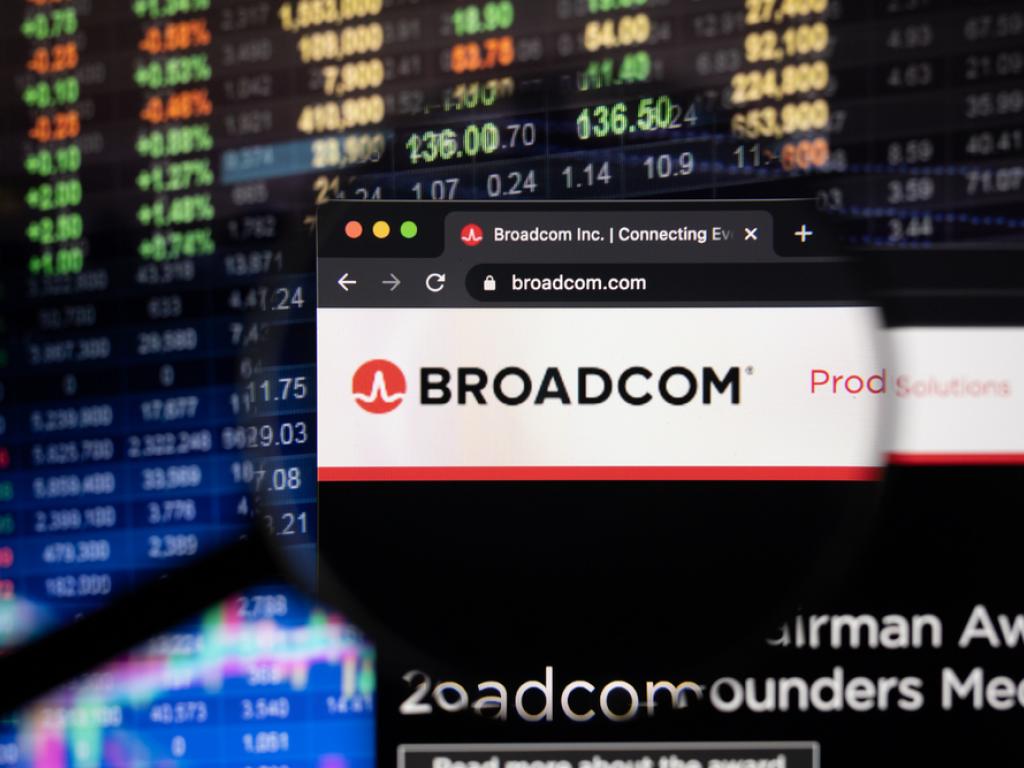
Broadcom's Earnings Outlook Uncertain Amid Stock Volatility


- Stock Volatility: Broadcom's shares surged over 49% in 2025, but have started 2026 down about 7%, reflecting market concerns about AI chip demand and the potential impact of customer-owned tooling on its market share.
- Analyst Optimism: Despite risks from customer-owned tooling, analysts from Morgan Stanley, UBS, and JPMorgan remain bullish on Broadcom's custom chip business, anticipating significant growth in the coming quarters, particularly driven by rising TPU demand.
- Financial Expectations: Consensus estimates project Broadcom to report earnings of $2.03 per share and revenue of $19.18 billion for the latest quarter, indicating strong demand in AI computing and networking that could drive future performance beyond expectations.
- Competition and Partnerships: While Google's partnership with MediaTek poses a challenge to Broadcom, analysts still view Broadcom as Google's preferred partner, with expectations for TPU sales to quadruple to approximately $65 billion by FY27, highlighting long-term growth potential.
See More
Comparison Analysis of iShares Bond ETFs

- Cost and Yield Comparison: The iShares iBoxx Investment Grade Corporate Bond ETF (LQD) has a slightly lower expense ratio of 0.14% compared to the iShares 20-Year Treasury Bond ETF (TLT) at 0.15%, while offering a dividend yield of 4.44%, which is marginally higher than TLT's 4.27%, making LQD more attractive for income-focused investors.
- Risk and Return Analysis: Over the past five years, LQD's maximum drawdown was 24.9%, significantly lower than TLT's 48.3%, indicating that LQD has demonstrated greater resilience during market volatility, appealing to investors seeking lower credit risk.
- Portfolio Composition: LQD holds over 3,071 securities, primarily concentrated in well-known issuers like JPMorgan Chase and Bank of America, ensuring diversity and stability in its portfolio, whereas TLT holds only 46 long-dated Treasury bonds, virtually eliminating credit risk.
- Interest Rate Sensitivity Consideration: Although LQD has outperformed TLT in the past five years, TLT's long-duration bond portfolio may perform better if interest rates decline, prompting investors to weigh LQD's higher yield against TLT's interest rate sensitivity to select the investment strategy that best fits their risk tolerance.
See More
JPMorgan Chase Schedules 2027 Financial Results Conference Calls
- Earnings Call Schedule: JPMorgan Chase plans to hold conference calls on April 13, July 13, October 12, 2027, and January 14, 2028, at 8:30 a.m. Eastern Time to review its financial results, providing a structured timeline for investors.
- Financial Data Release: The financial results will be released at approximately 6:45 a.m. Eastern Time on the specified dates, ensuring timely access to critical financial information that enhances transparency and investor confidence.
- Live Webcast and Materials: The calls will feature live audio webcasts and presentation slides available on JPMorgan Chase's website under Investor Relations, facilitating global investor participation and improving engagement with stakeholders.
- Company Background: As of December 31, 2025, JPMorgan Chase reported $4.4 trillion in assets and $362 billion in stockholders' equity, positioning itself as a leading financial services firm with significant influence in investment banking and asset management sectors.
See More
Coinbase CEO Meets Trump to Push for Crypto Legislation
- High-Level Meeting: Coinbase CEO Brian Armstrong met privately with President Trump at the White House on Tuesday, after which Trump urged banks to make a good deal with the crypto industry on social media, indicating a shared agenda in pushing for crypto legislation.
- Legislative Support: The CLARITY Act mentioned by Trump is reportedly threatened by banks, with Armstrong previously accusing them of stifling competition, highlighting the escalating tension between the crypto sector and traditional banking institutions.
- Market Reaction: Coinbase shares surged over 15% following the news, trading around $209, reflecting market optimism regarding the prospects of crypto legislation, particularly in light of potential growth in stablecoin-related revenues.
- Political Funding: The Fairshake super PAC has raised $190 million for the 2026 midterms, primarily funded by Coinbase, Ripple, and Andreessen Horowitz, indicating the growing political influence of the crypto industry, which may impact the legislative process.
See More
Stable Investment Choices Amid Market Turbulence
- Increased Market Volatility: The S&P 500 has faced significant swings in 2026 due to factors like the Iran conflict and tariff uncertainties, with the CBOE Volatility Index (VIX) rising over 50% since the start of the year, indicating heightened market instability.
- Advantages of High-Yield Stocks: High-yield dividend stocks tend to be more stable during turbulent times, as they are mature businesses with stable revenue streams, although they are not completely immune to market fluctuations.
- Vanguard High Dividend Yield ETF: The Vanguard High Dividend Yield ETF (VYM) tracks stocks with above-average dividend yields, holding 562 stocks primarily from large, established companies, with a low expense ratio of 0.04%, making it attractive for income-seeking investors.
- Minimum Volatility ETF Strategy: The iShares MSCI U.S. Minimum Volatility Factor ETF (USMV) focuses on creating a portfolio of low-volatility stocks, featuring 170 stocks with an expense ratio of 0.15% and a 3-year beta of 0.59, significantly lower than the S&P 500's beta of 1.00, appealing to investors looking to minimize downside risk.
See More
Comparison of LQD and SCHQ Bond ETFs
- Cost and Yield Comparison: SCHQ's expense ratio stands at 0.03%, significantly lower than LQD's 0.14%, while both maintain similar dividend yields of 4.43% and 4.44%, making SCHQ more appealing for cost-conscious investors, particularly those averse to risk.
- Portfolio Risk Analysis: LQD boasts over 3,071 investment-grade corporate bonds with a maximum drawdown of 24.96%, whereas SCHQ's maximum drawdown reaches 46.13%, highlighting LQD's superior volatility management, making it suitable for investors seeking stable returns.
- Long-Term Performance Assessment: As of March 2026, LQD's five-year growth stands at $1,021 compared to SCHQ's $792, indicating LQD's better long-term investment returns despite facing higher credit risk.
- Interest Rate Sensitivity Consideration: SCHQ has an effective duration of 13.8 years, reflecting its high sensitivity to interest rate changes, which could present opportunities for investors amid the Federal Reserve's easing monetary policy, but may also introduce unwanted volatility for those seeking stable income.
See More
Broadcom's Earnings Outlook Uncertain Amid Stock Volatility
- Stock Volatility: Broadcom's shares surged over 49% in 2025, but have started 2026 down about 7%, reflecting market concerns about AI chip demand and the potential impact of customer-owned tooling on its market share.
- Analyst Optimism: Despite risks from customer-owned tooling, analysts from Morgan Stanley, UBS, and JPMorgan remain bullish on Broadcom's custom chip business, anticipating significant growth in the coming quarters, particularly driven by rising TPU demand.
- Financial Expectations: Consensus estimates project Broadcom to report earnings of $2.03 per share and revenue of $19.18 billion for the latest quarter, indicating strong demand in AI computing and networking that could drive future performance beyond expectations.
- Competition and Partnerships: While Google's partnership with MediaTek poses a challenge to Broadcom, analysts still view Broadcom as Google's preferred partner, with expectations for TPU sales to quadruple to approximately $65 billion by FY27, highlighting long-term growth potential.
See More
Comparison Analysis of iShares Bond ETFs
- Cost and Yield Comparison: The iShares iBoxx Investment Grade Corporate Bond ETF (LQD) has a slightly lower expense ratio of 0.14% compared to the iShares 20-Year Treasury Bond ETF (TLT) at 0.15%, while offering a dividend yield of 4.44%, which is marginally higher than TLT's 4.27%, making LQD more attractive for income-focused investors.
- Risk and Return Analysis: Over the past five years, LQD's maximum drawdown was 24.9%, significantly lower than TLT's 48.3%, indicating that LQD has demonstrated greater resilience during market volatility, appealing to investors seeking lower credit risk.
- Portfolio Composition: LQD holds over 3,071 securities, primarily concentrated in well-known issuers like JPMorgan Chase and Bank of America, ensuring diversity and stability in its portfolio, whereas TLT holds only 46 long-dated Treasury bonds, virtually eliminating credit risk.
- Interest Rate Sensitivity Consideration: Although LQD has outperformed TLT in the past five years, TLT's long-duration bond portfolio may perform better if interest rates decline, prompting investors to weigh LQD's higher yield against TLT's interest rate sensitivity to select the investment strategy that best fits their risk tolerance.
See More