

Joby Aviation Partners with Uber for Air Taxi Service, Enhancing Market Position
Written by Emily J. Thompson, Senior Investment Analyst
Updated: 1 day ago
0mins
Should l Buy JOBY?
Source: seekingalpha
- Partnership Advantage: Joby Aviation's new partnership with Uber Technologies allows users to book Joby's eVTOL flights directly through the Uber app, providing Joby with a significant competitive edge in capturing passenger demand.
- Market Integration: Morgan Stanley highlights that while certification and adoption risks remain, this integration into one of the world's most widely used transportation apps will greatly enhance Joby's market share, particularly in urban air mobility.
- Technological Innovation: Joby's all-electric air taxi is designed for up to four passengers, featuring large windows and comfortable seating, capable of flying at speeds of up to 200 mph with a range of 100 miles on a single charge, showcasing its technological advantages in urban air travel.
- Financial Outlook: Joby Aviation aims to achieve a revenue target of $105 million to $150 million by 2026 while ramping up manufacturing and launching services in Dubai, demonstrating confidence in its future growth prospects.
Trade with 70% Backtested Accuracy
Stop guessing "Should I Buy JOBY?" and start using high-conviction signals backed by rigorous historical data.
Sign up today to access powerful investing tools and make smarter, data-driven decisions.
Analyst Views on JOBY
Wall Street analysts forecast JOBY stock price to rise
6 Analyst Rating
1 Buy
3 Hold
2 Sell
Hold
Current: 10.270

Low
8.00
Averages
15.67
High
22.00
Current: 10.270
Low
8.00
Averages
15.67
High
22.00
About JOBY
Joby Aviation, Inc. is a transportation company developing an all-electric, vertical take-off and landing air taxi. The Company is engaged in designing and testing a piloted all-electric, vertical take-off and landing (eVTOL) aircraft. The Joby eVTOL is designed to transport a pilot and up to four passengers or an expected payload of up to 1,000 pounds at speeds of up to 200 miles per hour (mph). The aircraft is optimized for urban routes, with a target range of up to 100 miles on a single charge. The Company plans to manufacture, own and operate its aircraft itself, building a vertically integrated transportation company that delivers transportation services to customers, including government agencies such as the United States Air Force (USAF) through sales or contracted operations, and to individual end-users through a convenient app-based aerial ridesharing service. It also offers a network of terminals and loyal flyers in markets like New York and in Southern Europe.
About the author

Emily J. Thompson
Emily J. Thompson, a Chartered Financial Analyst (CFA) with 12 years in investment research, graduated with honors from the Wharton School. Specializing in industrial and technology stocks, she provides in-depth analysis for Intellectia’s earnings and market brief reports.
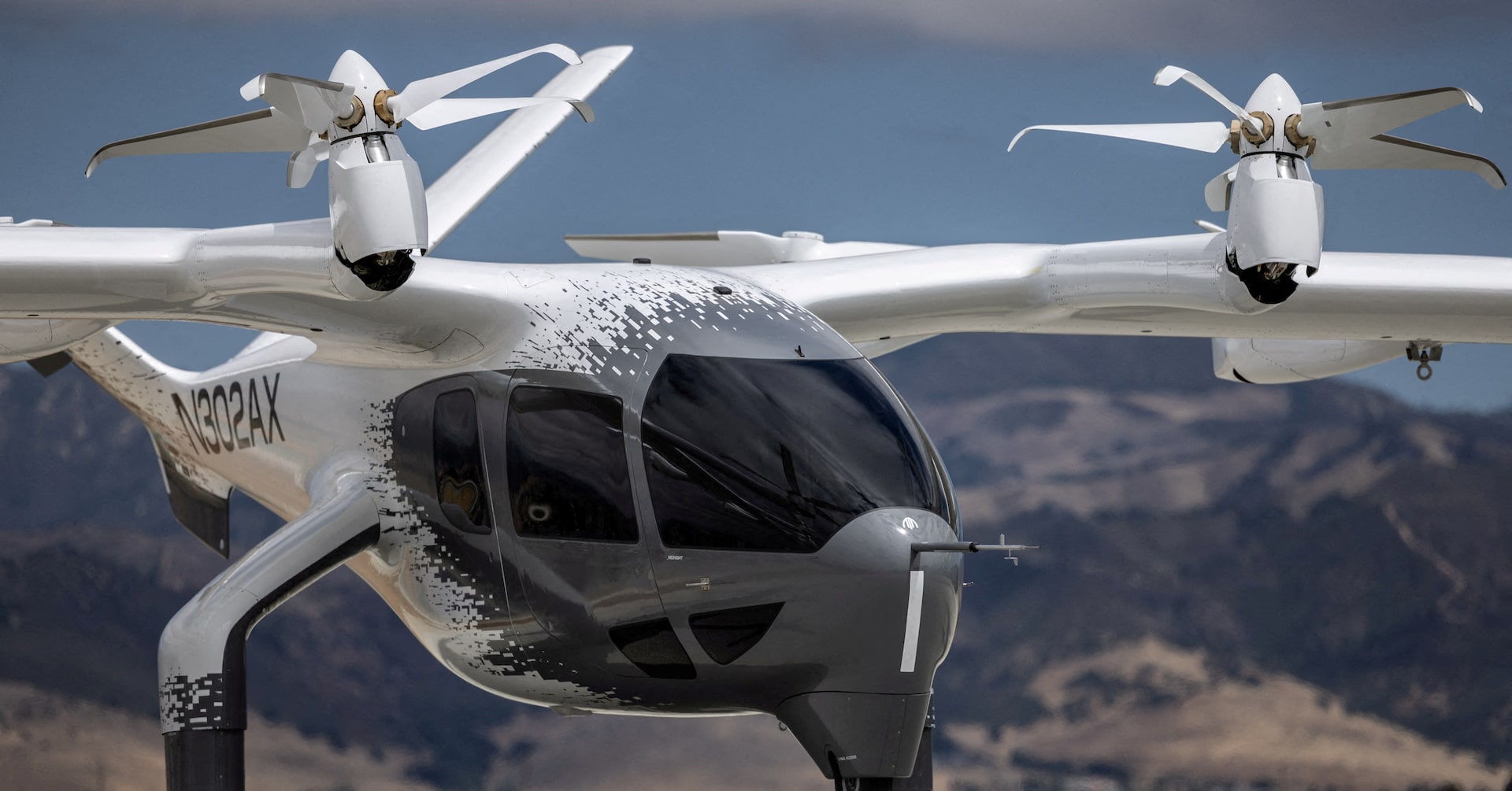
Joby Aviation's Outlook and Investment Risks

- Cooling Market Expectations: Joby Aviation's stock has started 2026 poorly, down 22% as of Monday's close, despite plans to launch air taxi operations and obtain certification in the U.S., indicating a decline in market confidence regarding its future.
- Operational Launch Progress: Joby expects to commence air taxi services in Dubai and has begun production of all aircraft required for Type Inspection Authorization, which could provide a short-term boost to stock prices if successful, yet market reactions to these developments remain uncertain.
- Valuation Risks: With a market cap of around $10 billion, Joby's valuation appears relatively high for an unproven business model, exposing investors to significant downside risk, as the market seems to have priced in future success as a certainty.
- Profitability Uncertainty: While Joby is making strides in aircraft manufacturing, it remains in the early stages of operations, and uncertainties surrounding future demand, revenue generation, and profitability metrics increase investment risks, necessitating cautious observation from investors.
See More

Uber Partners with Joby to Launch Air Taxi Service

- Air Taxi Business Expansion: Uber announced a partnership with Joby Aviation to launch the Uber Air taxi service in Dubai, marking its entry into the air taxi market; while short-term revenue expectations are low, this move could enhance confidence in its role in the autonomous taxi sector.
- Strong Financial Performance: Uber generated $52 billion in revenue in 2025, an 18% year-over-year increase, reporting a net income of $10 billion, which, although similar to the $9.9 billion in 2024, indicates sustained growth potential in its core business.
- Joby's Market Challenges: Joby achieved $53 million in revenue in 2025, a significant increase from $136,000 in 2024, yet it still faces a net loss of $930 million, highlighting long-term profitability challenges ahead.
- Diverging Investor Sentiment: With a P/E ratio of 16, Uber attracts investors seeking stable returns, while Joby appeals to risk-tolerant speculators due to its emerging technology and high volatility, reflecting fundamentally different investment rationales for both stocks.
See More

Uber Partners with Joby to Launch Air Taxi Service
- Air Taxi Partnership: Uber has partnered with Joby Aviation to launch an Uber Air taxi service in Dubai in 2025, marking its entry into the air taxi market; while immediate revenue impact is limited, this move could enhance Uber's market position in future mobility.
- Revenue Growth Potential: Uber reported $52 billion in total revenue for 2025, an 18% year-over-year increase, demonstrating strong performance across its rideshare, delivery, and freight businesses, although its P/E ratio has dropped to 16, which may still attract investor interest for future growth.
- Joby's Revenue Breakthrough: Joby generated $53 million in revenue in 2025, a significant increase from just $136,000 in 2024, despite facing a net loss of $930 million, indicating its potential in the emerging market and drawing investor attention.
- Investment Risks and Opportunities: While Uber is relatively safer as an established business, Joby remains speculative, requiring investors to weigh short-term volatility against long-term growth potential, especially as the new technology has yet to see widespread adoption.
See More

Capricorn Reduces Stake in Navitas Semiconductor

- Share Reduction Details: Capricorn Investment Group LLC disclosed in a February 17, 2026 SEC filing that it sold 1,188,884 shares of Navitas Semiconductor, with an estimated trade size of $11.44 million, reflecting a cautious outlook on the company's future prospects.
- Position Value Change: Following the transaction, Capricorn's stake in Navitas decreased to 7,992,697 shares valued at $57.07 million, a decline of $9.22 million from the quarter-end, indicating concerns over the stock's volatility and profitability.
- Investment Strategy Adjustment: Despite trimming its position by 13%, Navitas still represents 6.91% of Capricorn's assets under management, suggesting the fund's long-term confidence in Navitas's strategic pivot towards the data center market, even as 2025 revenues fell 45% from 2024 levels.
- Market Outlook Analysis: Although Navitas faces revenue declines during its transition to data center operations, Capricorn's continued holding may indicate confidence in the rapid growth of the AI data center market, which could yield returns in the future.
See More

Capricorn Investment Group Reduces Navitas Semiconductor Holdings
- Share Reduction Details: According to an SEC filing on February 17, 2026, Capricorn Investment Group LLC trimmed its position in Navitas Semiconductor Corporation by 1,188,884 shares for an estimated $11.44 million, indicating a reaction to short-term stock fluctuations.
- Value Change in Holdings: Following the reduction, Capricorn's total holdings in Navitas decreased to 7,992,697 shares, valued at $57.07 million, reflecting a $9.22 million decline in market value, which raises concerns about the company's future outlook.
- Market Performance Analysis: As of February 16, 2026, Navitas shares were priced at $8.30, having increased by 176.7% over the past year, yet the stock experienced a 6.75% drop following Capricorn's sell-off, highlighting market skepticism regarding its profitability.
- Strategic Transition Signal: Despite trimming 13% of its Navitas holdings, Capricorn still maintains a 6.9% stake, indicating confidence in Navitas's strategic pivot towards the data center market, particularly amid the rapid growth of the AI data center sector.
See More

Analysis of Competition in eVTOL Industry

- Market Competition: Archer Aviation and Joby Aviation dominate the electric vertical takeoff and landing (eVTOL) sector, both vying for final FAA approval, highlighting the intense competitive landscape within the industry.
- Technological Collaboration: Both companies are partnering with Nvidia to develop autonomous flight technology using the IGX Thor platform, indicating a shared commitment to technological innovation that may expedite their product launch timelines.
- Strategic Business Differences: Joby plans to launch air taxi services in Dubai and expand its market through acquisitions of Blade and Uber's related businesses, while Archer boasts a $6 billion order backlog and aims to produce 650 aircraft annually, showcasing its ambitious production capabilities.
- Financial Performance Comparison: Joby recently reported a strong Q4 2025 earnings report with revenue exceeding expectations and lower-than-expected cash burn, whereas Archer faces cash flow challenges and uncertainty regarding its path to profitability, reflecting significant differences in their financial health.
See More
Joby Aviation's Outlook and Investment Risks
- Cooling Market Expectations: Joby Aviation's stock has started 2026 poorly, down 22% as of Monday's close, despite plans to launch air taxi operations and obtain certification in the U.S., indicating a decline in market confidence regarding its future.
- Operational Launch Progress: Joby expects to commence air taxi services in Dubai and has begun production of all aircraft required for Type Inspection Authorization, which could provide a short-term boost to stock prices if successful, yet market reactions to these developments remain uncertain.
- Valuation Risks: With a market cap of around $10 billion, Joby's valuation appears relatively high for an unproven business model, exposing investors to significant downside risk, as the market seems to have priced in future success as a certainty.
- Profitability Uncertainty: While Joby is making strides in aircraft manufacturing, it remains in the early stages of operations, and uncertainties surrounding future demand, revenue generation, and profitability metrics increase investment risks, necessitating cautious observation from investors.
See More
Uber Partners with Joby to Launch Air Taxi Service
- Air Taxi Business Expansion: Uber announced a partnership with Joby Aviation to launch the Uber Air taxi service in Dubai, marking its entry into the air taxi market; while short-term revenue expectations are low, this move could enhance confidence in its role in the autonomous taxi sector.
- Strong Financial Performance: Uber generated $52 billion in revenue in 2025, an 18% year-over-year increase, reporting a net income of $10 billion, which, although similar to the $9.9 billion in 2024, indicates sustained growth potential in its core business.
- Joby's Market Challenges: Joby achieved $53 million in revenue in 2025, a significant increase from $136,000 in 2024, yet it still faces a net loss of $930 million, highlighting long-term profitability challenges ahead.
- Diverging Investor Sentiment: With a P/E ratio of 16, Uber attracts investors seeking stable returns, while Joby appeals to risk-tolerant speculators due to its emerging technology and high volatility, reflecting fundamentally different investment rationales for both stocks.
See More
Uber Partners with Joby to Launch Air Taxi Service
- Air Taxi Partnership: Uber has partnered with Joby Aviation to launch an Uber Air taxi service in Dubai in 2025, marking its entry into the air taxi market; while immediate revenue impact is limited, this move could enhance Uber's market position in future mobility.
- Revenue Growth Potential: Uber reported $52 billion in total revenue for 2025, an 18% year-over-year increase, demonstrating strong performance across its rideshare, delivery, and freight businesses, although its P/E ratio has dropped to 16, which may still attract investor interest for future growth.
- Joby's Revenue Breakthrough: Joby generated $53 million in revenue in 2025, a significant increase from just $136,000 in 2024, despite facing a net loss of $930 million, indicating its potential in the emerging market and drawing investor attention.
- Investment Risks and Opportunities: While Uber is relatively safer as an established business, Joby remains speculative, requiring investors to weigh short-term volatility against long-term growth potential, especially as the new technology has yet to see widespread adoption.
See More
Capricorn Reduces Stake in Navitas Semiconductor
- Share Reduction Details: Capricorn Investment Group LLC disclosed in a February 17, 2026 SEC filing that it sold 1,188,884 shares of Navitas Semiconductor, with an estimated trade size of $11.44 million, reflecting a cautious outlook on the company's future prospects.
- Position Value Change: Following the transaction, Capricorn's stake in Navitas decreased to 7,992,697 shares valued at $57.07 million, a decline of $9.22 million from the quarter-end, indicating concerns over the stock's volatility and profitability.
- Investment Strategy Adjustment: Despite trimming its position by 13%, Navitas still represents 6.91% of Capricorn's assets under management, suggesting the fund's long-term confidence in Navitas's strategic pivot towards the data center market, even as 2025 revenues fell 45% from 2024 levels.
- Market Outlook Analysis: Although Navitas faces revenue declines during its transition to data center operations, Capricorn's continued holding may indicate confidence in the rapid growth of the AI data center market, which could yield returns in the future.
See More
Capricorn Investment Group Reduces Navitas Semiconductor Holdings
- Share Reduction Details: According to an SEC filing on February 17, 2026, Capricorn Investment Group LLC trimmed its position in Navitas Semiconductor Corporation by 1,188,884 shares for an estimated $11.44 million, indicating a reaction to short-term stock fluctuations.
- Value Change in Holdings: Following the reduction, Capricorn's total holdings in Navitas decreased to 7,992,697 shares, valued at $57.07 million, reflecting a $9.22 million decline in market value, which raises concerns about the company's future outlook.
- Market Performance Analysis: As of February 16, 2026, Navitas shares were priced at $8.30, having increased by 176.7% over the past year, yet the stock experienced a 6.75% drop following Capricorn's sell-off, highlighting market skepticism regarding its profitability.
- Strategic Transition Signal: Despite trimming 13% of its Navitas holdings, Capricorn still maintains a 6.9% stake, indicating confidence in Navitas's strategic pivot towards the data center market, particularly amid the rapid growth of the AI data center sector.
See More
Analysis of Competition in eVTOL Industry
- Market Competition: Archer Aviation and Joby Aviation dominate the electric vertical takeoff and landing (eVTOL) sector, both vying for final FAA approval, highlighting the intense competitive landscape within the industry.
- Technological Collaboration: Both companies are partnering with Nvidia to develop autonomous flight technology using the IGX Thor platform, indicating a shared commitment to technological innovation that may expedite their product launch timelines.
- Strategic Business Differences: Joby plans to launch air taxi services in Dubai and expand its market through acquisitions of Blade and Uber's related businesses, while Archer boasts a $6 billion order backlog and aims to produce 650 aircraft annually, showcasing its ambitious production capabilities.
- Financial Performance Comparison: Joby recently reported a strong Q4 2025 earnings report with revenue exceeding expectations and lower-than-expected cash burn, whereas Archer faces cash flow challenges and uncertainty regarding its path to profitability, reflecting significant differences in their financial health.
See More




