Insider Trading Influences Prediction Markets, Giving Polymarket an Advantage.
Bet on Federal Reserve Chair: An anonymous account on Polymarket placed a $68,000 bet on Kevin Hassett being nominated as the next Federal Reserve chair.
Social Media Speculation: A Polymarket social media account shared a screenshot of the bet, implying that the bettor might have insider knowledge about Hassett's potential nomination.
Trade with 70% Backtested Accuracy
Analyst Views on CME

About CME
About the author


Mulvaney Raises National Security Concerns Over Prediction Markets


- Gambling vs. Investing: Mulvaney asserts that buying contracts on prediction markets is essentially gambling, emphasizing the need for increased scrutiny in light of betting activities prior to the Iran war, which could undermine investor confidence.
- Regulatory Role: He argues that the CFTC is not suited to regulate prediction markets as its primary focus is market oversight rather than consumer protection, potentially exposing consumers to risks in these markets.
- National Security Risks: Mulvaney warns that trading in prediction markets could leak classified information, posing a threat to U.S. national security if adversaries glean intelligence that could be used against the nation, necessitating investigation.
- Funding Transparency Issues: When asked about the funding sources for his newly formed coalition,
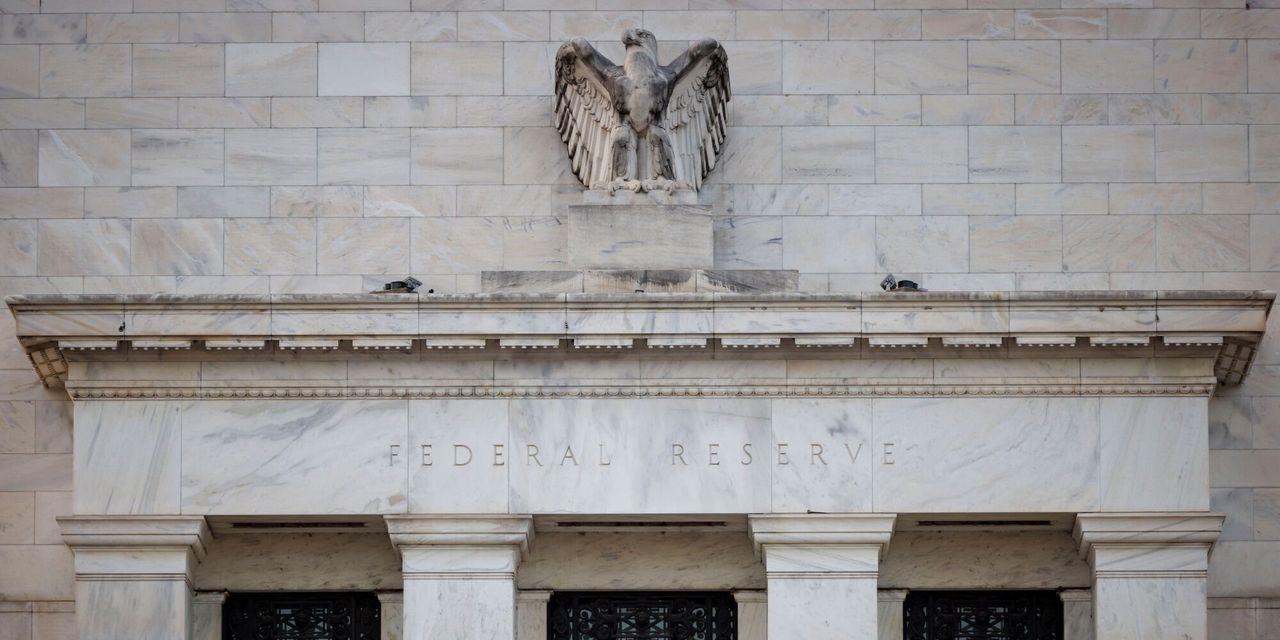
CME Group Achieves Record Average Daily Volume

- Record Trading Volume: CME Group's average daily volume reached a monthly record of 37.6 million contracts in February, up 14% year-over-year, indicating strong market demand recovery, particularly in interest rate and agricultural products.
- Strong Performance in Interest Rates: The monthly average daily volume for interest rate products was 21.3 million contracts, an 11% increase year-over-year, highlighting rising investor focus on interest rate fluctuations and reinforcing CME's leadership in the derivatives market.
- Diverse Product Growth: Equity products saw an average daily volume jump to 8.4 million contracts, a 16% increase, while metals surged 89% to 1.49 million contracts, reflecting strong demand for diversified investment options in the current market.
- Rolling Three-Month Data: For the rolling three-month period from December 2025 to February 2026, the average daily volume was 29.9 million contracts, up from 28.5 million contracts in the previous period, showcasing CME's sustained growth momentum and increased market activity.

Oil Price Surge Triggers Treasury Yield Fluctuations
- Oil Price Surge: The joint U.S.-Israeli attacks on Iran have led to a rise in oil prices, causing global investors to be puzzled by the unusual reactions in the Treasury market, particularly the volatility in yields.
- Treasury Yield Spike: The benchmark 10-year Treasury yield has surged over 14 basis points this week to around 4.1%, while the more sensitive 2-year note yield has jumped nearly 20 basis points to 3.53%, indicating heightened sensitivity to Federal Reserve policy expectations.
- Inflation Expectations Impact: Despite a downward trend in U.S. inflation, the producer price index rose by 0.8% in January, significantly exceeding expectations, which has led to a decrease in rate cut expectations, with the probability of maintaining rates unchanged at the June meeting rising to 63%.
- Unusual Market Reaction: Typically, investors flock to Treasuries during uncertain times, but the current surge in energy prices and geopolitical tensions in the Middle East have resulted in a market response that deviates from historical norms, reflecting investor concerns about future economic conditions.

Circle Internet Stock Rises Due to Iran Situation; Instability Benefits Stablecoins.


Impact of Middle East Conflict: The ongoing conflict in the Middle East has led to an increase in energy and defense stocks, reflecting market reactions to geopolitical tensions.
Surprising Market Performance: Circle Internet Group emerged as an unexpected beneficiary in the stock market amidst the conflict, indicating unique market dynamics at play.

Impact of Fed's Interest Rate Policy on Stock Market
- Rate Policy Discussion: The Federal Reserve will discuss interest rates during a two-day meeting ending on March 18; despite President Trump's ongoing pressure for rate cuts, the market currently anticipates less than a 5% chance of a cut, potentially leaving the stock market in a holding pattern until clearer economic data emerges.
- Historical Return Analysis: Since 1990, the Fed has cut rates 58 times, with the S&P 500 achieving a median return of 10% in the following year; notably, excluding cuts during recessions, the return rises to 11%, indicating the potential positive impact of rate cuts on the stock market.
- Inflation and Rate Relationship: While rate cuts could stimulate economic growth and job markets, the current CPI inflation rate stands at 2.4% and the PCE price index at 2.9%, both exceeding the Fed's 2% target, which diminishes the likelihood of a March rate cut.
- Market Expectations and Economic Growth: The market's expectations regarding rate cuts create uncertainty in stock performance; although lower rates typically reduce borrowing costs and boost consumer spending, inflationary pressures necessitate close monitoring of economic data to assess future rate directions.
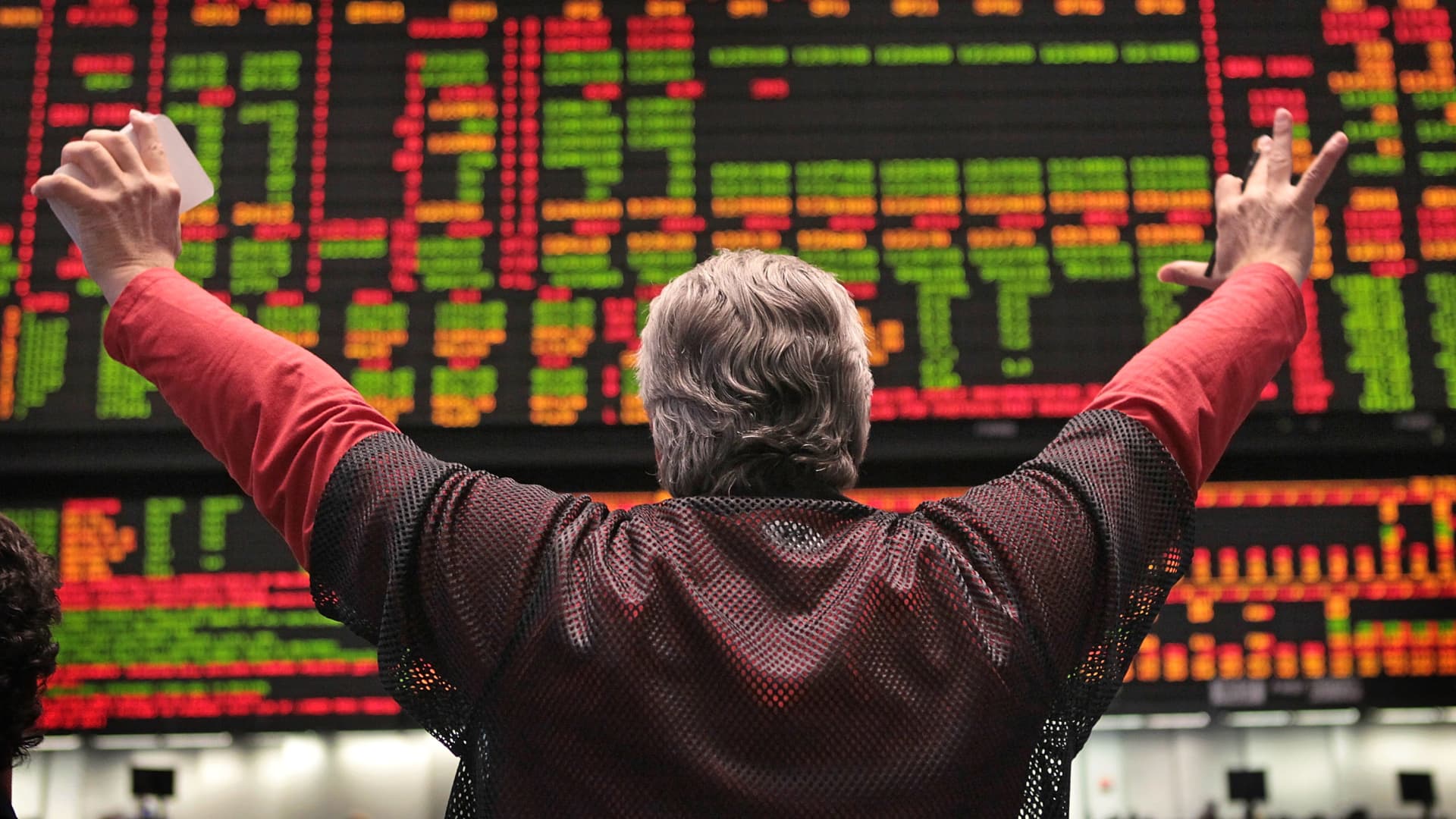
Trump Pushes for Fed Rate Cuts Amid Inflation Concerns
- Rate Cut Pressure: President Trump continues to pressure the Federal Reserve to lower interest rates, asserting that the U.S. should have the lowest rates globally, despite current inflation rates (CPI at 2.4%, PCE at 2.9%) exceeding the Fed's 2% target, resulting in a less than 5% chance of a rate cut.
- Historical Returns: Since 1990, the S&P 500 has averaged an 11% return in the year following rate cuts during non-recession periods, compared to a 10% return during recessions, indicating that rate cuts could stimulate economic growth and enhance stock market performance.
- Market Reaction: The S&P 500 has traded sideways this year due to investor concerns over elevated valuations and Trump's trade policies, with expectations of a rate cut leading to a potential holding pattern in the market until clearer economic data emerges.
- Policy Meeting: The Federal Reserve will conclude a two-day meeting on March 18, and despite Trump's push for lower rates, the likelihood of action is low due to inflation pressures, which may leave the market directionless in the coming months.
Mulvaney Raises National Security Concerns Over Prediction Markets
- Gambling vs. Investing: Mulvaney asserts that buying contracts on prediction markets is essentially gambling, emphasizing the need for increased scrutiny in light of betting activities prior to the Iran war, which could undermine investor confidence.
- Regulatory Role: He argues that the CFTC is not suited to regulate prediction markets as its primary focus is market oversight rather than consumer protection, potentially exposing consumers to risks in these markets.
- National Security Risks: Mulvaney warns that trading in prediction markets could leak classified information, posing a threat to U.S. national security if adversaries glean intelligence that could be used against the nation, necessitating investigation.
- Funding Transparency Issues: When asked about the funding sources for his newly formed coalition,
CME Group Achieves Record Average Daily Volume
- Record Trading Volume: CME Group's average daily volume reached a monthly record of 37.6 million contracts in February, up 14% year-over-year, indicating strong market demand recovery, particularly in interest rate and agricultural products.
- Strong Performance in Interest Rates: The monthly average daily volume for interest rate products was 21.3 million contracts, an 11% increase year-over-year, highlighting rising investor focus on interest rate fluctuations and reinforcing CME's leadership in the derivatives market.
- Diverse Product Growth: Equity products saw an average daily volume jump to 8.4 million contracts, a 16% increase, while metals surged 89% to 1.49 million contracts, reflecting strong demand for diversified investment options in the current market.
- Rolling Three-Month Data: For the rolling three-month period from December 2025 to February 2026, the average daily volume was 29.9 million contracts, up from 28.5 million contracts in the previous period, showcasing CME's sustained growth momentum and increased market activity.
Oil Price Surge Triggers Treasury Yield Fluctuations
- Oil Price Surge: The joint U.S.-Israeli attacks on Iran have led to a rise in oil prices, causing global investors to be puzzled by the unusual reactions in the Treasury market, particularly the volatility in yields.
- Treasury Yield Spike: The benchmark 10-year Treasury yield has surged over 14 basis points this week to around 4.1%, while the more sensitive 2-year note yield has jumped nearly 20 basis points to 3.53%, indicating heightened sensitivity to Federal Reserve policy expectations.
- Inflation Expectations Impact: Despite a downward trend in U.S. inflation, the producer price index rose by 0.8% in January, significantly exceeding expectations, which has led to a decrease in rate cut expectations, with the probability of maintaining rates unchanged at the June meeting rising to 63%.
- Unusual Market Reaction: Typically, investors flock to Treasuries during uncertain times, but the current surge in energy prices and geopolitical tensions in the Middle East have resulted in a market response that deviates from historical norms, reflecting investor concerns about future economic conditions.
Circle Internet Stock Rises Due to Iran Situation; Instability Benefits Stablecoins.
Impact of Middle East Conflict: The ongoing conflict in the Middle East has led to an increase in energy and defense stocks, reflecting market reactions to geopolitical tensions.
Surprising Market Performance: Circle Internet Group emerged as an unexpected beneficiary in the stock market amidst the conflict, indicating unique market dynamics at play.
Impact of Fed's Interest Rate Policy on Stock Market
- Rate Policy Discussion: The Federal Reserve will discuss interest rates during a two-day meeting ending on March 18; despite President Trump's ongoing pressure for rate cuts, the market currently anticipates less than a 5% chance of a cut, potentially leaving the stock market in a holding pattern until clearer economic data emerges.
- Historical Return Analysis: Since 1990, the Fed has cut rates 58 times, with the S&P 500 achieving a median return of 10% in the following year; notably, excluding cuts during recessions, the return rises to 11%, indicating the potential positive impact of rate cuts on the stock market.
- Inflation and Rate Relationship: While rate cuts could stimulate economic growth and job markets, the current CPI inflation rate stands at 2.4% and the PCE price index at 2.9%, both exceeding the Fed's 2% target, which diminishes the likelihood of a March rate cut.
- Market Expectations and Economic Growth: The market's expectations regarding rate cuts create uncertainty in stock performance; although lower rates typically reduce borrowing costs and boost consumer spending, inflationary pressures necessitate close monitoring of economic data to assess future rate directions.
Trump Pushes for Fed Rate Cuts Amid Inflation Concerns
- Rate Cut Pressure: President Trump continues to pressure the Federal Reserve to lower interest rates, asserting that the U.S. should have the lowest rates globally, despite current inflation rates (CPI at 2.4%, PCE at 2.9%) exceeding the Fed's 2% target, resulting in a less than 5% chance of a rate cut.
- Historical Returns: Since 1990, the S&P 500 has averaged an 11% return in the year following rate cuts during non-recession periods, compared to a 10% return during recessions, indicating that rate cuts could stimulate economic growth and enhance stock market performance.
- Market Reaction: The S&P 500 has traded sideways this year due to investor concerns over elevated valuations and Trump's trade policies, with expectations of a rate cut leading to a potential holding pattern in the market until clearer economic data emerges.
- Policy Meeting: The Federal Reserve will conclude a two-day meeting on March 18, and despite Trump's push for lower rates, the likelihood of action is low due to inflation pressures, which may leave the market directionless in the coming months.