How the AI Revolution Is Set to Transform Your Investment Strategy


AI's Energy Demand: Artificial intelligence requires significant electricity to operate, leading to a projected 300% increase in U.S. electricity demand from data centers over the next decade.
Utility Sector Transformation: The growth of AI and other technologies is expected to shift the utility sector from being seen as a boring investment to one that attracts both dividend-focused and growth-oriented investors.
Investment Opportunities: Investors can consider options like the Vanguard Utilities ETF for broad exposure or specific stocks such as Dominion Energy and NextEra Energy, which are well-positioned to benefit from increased electricity demand.
Reevaluation of Investment Strategies: The rise of AI necessitates a reassessment of traditional investment assumptions in the utility sector, indicating it may become more dynamic and growth-oriented than previously thought.
Trade with 70% Backtested Accuracy
Analyst Views on GOOGL

About GOOGL
About the author


Broadcom Set to Report Strong Q1 Results Driven by AI Growth


- Strong Earnings Expectations: Broadcom is projected to report adjusted earnings per share of approximately $2.02 for Q1, up from $1.60 year-over-year, with revenue expected to reach $19.2 billion, significantly higher than last year's $14.92 billion, indicating robust growth potential in the AI sector.
- AI-Driven Performance: JPMorgan analysts anticipate that Broadcom will benefit from sustained AI demand, potentially guiding April-quarter revenue to $21 billion to $22 billion, exceeding the $20.5 billion consensus forecast, showcasing the strong momentum in the AI market.
- Long-Term Growth Outlook: Analysts predict that Broadcom's AI revenue could surpass $65 billion in fiscal 2026 and exceed $120 billion in fiscal 2027, suggesting substantial future growth driven by new products and initiatives.
- Market Sentiment Impact: Despite optimistic earnings forecasts, some analysts caution that market sentiment may still weigh on the stock, emphasizing the need for the company to highlight its expertise in designing large custom AI chips to bolster investor confidence.

Tesla's Cybercab Production Progresses Rapidly Towards Ambitious Deadline

- Innovative Manufacturing Process: Tesla's Cybercab will utilize a new 'Unboxed' manufacturing process, aiming to reduce production cycle time to 10 seconds per vehicle, a significant improvement from the approximately one minute for the Model Y, potentially transforming traditional automotive manufacturing.
- Production Ahead of Schedule: The first Cybercab rolled off the line in mid-February, weeks ahead of schedule, with recent drone footage showing 25 units at Giga Texas; however, early output is expected to be 'agonizingly slow' before ramping up significantly in the coming weeks.
- Market Expectations and Challenges: Prediction markets indicate a 34% chance that Tesla will sell the Cybercab to retail customers for $30,000 by year-end, but the vehicle requires federal approval to operate on public roads, presenting regulatory hurdles.
- Increased Competitive Pressure: Investor Gary Black argues that Waymo could compete with Tesla's cheaper hardware through superior execution, as TSLA traded around $387 on Tuesday, down approximately 20% from December highs, reflecting cautious market sentiment regarding Tesla's future performance.

Google Maintains Dominance in AI Market

- Stable Market Share: Google Search maintained a market share of 90.01% as of February 2026, demonstrating its strong competitive position despite the emergence of new AI search engines like Perplexity, which failed to make a dent in its dominance.
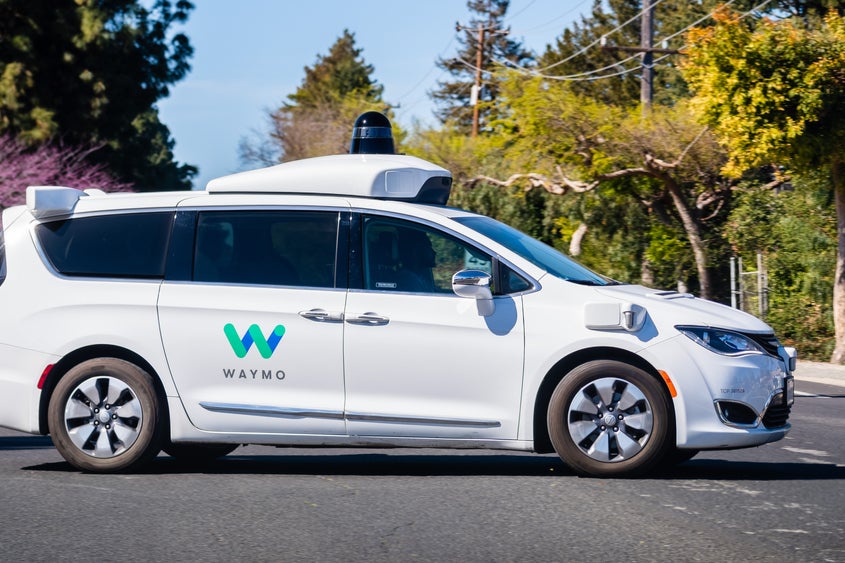
- Waymo's Deployment Leadership: Google's subsidiary Waymo launched autonomous driving services in five major U.S. cities and plans to expand to more, significantly outpacing Tesla's Robotaxi service, highlighting Google's technological edge and first-mover advantage in the autonomous driving sector.
- Surging Capital Expenditures: Google plans to increase its capital expenditures to between $175 billion and $185 billion in 2025, a substantial rise from last year's $91 billion, primarily for data center expansion and future innovations, reflecting the company's strong commitment to long-term growth.
- Innovations in Drug Discovery: Google is leveraging AI to accelerate drug discovery, particularly in treating currently incurable diseases, indicating its potential transformative impact on global health and the company's strategic focus on healthcare advancements.
Meta Cancels AI Chip Development, Alphabet Leads the Market

- Meta Chip Development Canceled: Meta has canceled the development of its most advanced custom AI chips due to design complexities, which will shift its focus to simpler versions, impacting its AI model training capabilities and highlighting challenges in AI hardware development.
- Amazon's AI Model Plans: Amazon is planning to develop AI models using its custom chips, which could significantly reduce costs if successful, indicating its strategic positioning in the AI space while also hedging its bets with investments in OpenAI and Anthropic.
- Alphabet's Technological Edge: Alphabet's Tensor Processing Units (TPUs) have reached their seventh generation and are widely used for internal workloads, showcasing its leading position in the AI chip market, attracting companies like Meta, Anthropic, and Apple to rent its TPUs.
- Capital Expenditure Plans: Alphabet plans to invest $175 billion to $185 billion in AI data centers, which is expected to further solidify its competitive advantage in the AI market, especially when compared to competitors relying on Nvidia GPUs, demonstrating a higher return on investment.
Meta Abandons Custom Chip Development, Intensifying AI Competition
- Meta's Chip Development Failure: Meta has scrapped its most advanced custom AI chip development, highlighting the significant design challenges it faces, which diminishes its competitive edge in training AI models despite collaboration with Broadcom.
- Amazon's AI Strategy: Amazon plans to develop AI models using its custom chips, which could significantly reduce costs; however, its substantial investments of $50 billion in OpenAI and Anthropic indicate a diversified approach in the AI sector.
- Alphabet's Technological Edge: Alphabet's Tensor Processing Units (TPUs) have reached their seventh generation and have been battle-tested over a decade, making them the preferred choice for several AI companies, underscoring Alphabet's leading position in the AI chip market.
- Capital Expenditure Plans: Alphabet intends to allocate $175 billion to $185 billion for capital expenditures related to AI data centers, demonstrating its long-term commitment to AI investment while indicating a cost advantage over competitors relying on Nvidia's GPUs.

Trump Pushes Tech Firms for Self-Powered AI Data Centers

- Self-Power Commitment: Trump is set to sign an agreement with major tech firms like Amazon, Google, and Meta, mandating them to supply their own power for AI data centers, addressing rising public anger over electricity prices, although the specifics of the commitment remain unclear.
- Rising Electricity Pressure: Average residential electricity prices in the U.S. increased by 6% in 2025, contrasting Trump's promise to halve prices during his term, highlighting the government's challenges in controlling energy costs, which could impact his support in the midterm elections.
- Implementation Challenges: The decentralized nature of electric grid regulations across states poses significant hurdles for the Trump administration in converting the pledge into actionable policy, with experts indicating that new federal legislation is necessary to address power supply shortages.
- Increased Political Pressure: Trump is leveraging his political influence to pressure tech companies into absorbing the costs associated with their data centers, despite the complexities arising from state-level regulation of power generation, which may complicate policy implementation.
Broadcom Set to Report Strong Q1 Results Driven by AI Growth
- Strong Earnings Expectations: Broadcom is projected to report adjusted earnings per share of approximately $2.02 for Q1, up from $1.60 year-over-year, with revenue expected to reach $19.2 billion, significantly higher than last year's $14.92 billion, indicating robust growth potential in the AI sector.
- AI-Driven Performance: JPMorgan analysts anticipate that Broadcom will benefit from sustained AI demand, potentially guiding April-quarter revenue to $21 billion to $22 billion, exceeding the $20.5 billion consensus forecast, showcasing the strong momentum in the AI market.
- Long-Term Growth Outlook: Analysts predict that Broadcom's AI revenue could surpass $65 billion in fiscal 2026 and exceed $120 billion in fiscal 2027, suggesting substantial future growth driven by new products and initiatives.
- Market Sentiment Impact: Despite optimistic earnings forecasts, some analysts caution that market sentiment may still weigh on the stock, emphasizing the need for the company to highlight its expertise in designing large custom AI chips to bolster investor confidence.
Tesla's Cybercab Production Progresses Rapidly Towards Ambitious Deadline
- Innovative Manufacturing Process: Tesla's Cybercab will utilize a new 'Unboxed' manufacturing process, aiming to reduce production cycle time to 10 seconds per vehicle, a significant improvement from the approximately one minute for the Model Y, potentially transforming traditional automotive manufacturing.
- Production Ahead of Schedule: The first Cybercab rolled off the line in mid-February, weeks ahead of schedule, with recent drone footage showing 25 units at Giga Texas; however, early output is expected to be 'agonizingly slow' before ramping up significantly in the coming weeks.
- Market Expectations and Challenges: Prediction markets indicate a 34% chance that Tesla will sell the Cybercab to retail customers for $30,000 by year-end, but the vehicle requires federal approval to operate on public roads, presenting regulatory hurdles.
- Increased Competitive Pressure: Investor Gary Black argues that Waymo could compete with Tesla's cheaper hardware through superior execution, as TSLA traded around $387 on Tuesday, down approximately 20% from December highs, reflecting cautious market sentiment regarding Tesla's future performance.
Google Maintains Dominance in AI Market
- Stable Market Share: Google Search maintained a market share of 90.01% as of February 2026, demonstrating its strong competitive position despite the emergence of new AI search engines like Perplexity, which failed to make a dent in its dominance.
- Waymo's Deployment Leadership: Google's subsidiary Waymo launched autonomous driving services in five major U.S. cities and plans to expand to more, significantly outpacing Tesla's Robotaxi service, highlighting Google's technological edge and first-mover advantage in the autonomous driving sector.
- Surging Capital Expenditures: Google plans to increase its capital expenditures to between $175 billion and $185 billion in 2025, a substantial rise from last year's $91 billion, primarily for data center expansion and future innovations, reflecting the company's strong commitment to long-term growth.
- Innovations in Drug Discovery: Google is leveraging AI to accelerate drug discovery, particularly in treating currently incurable diseases, indicating its potential transformative impact on global health and the company's strategic focus on healthcare advancements.
Meta Cancels AI Chip Development, Alphabet Leads the Market
- Meta Chip Development Canceled: Meta has canceled the development of its most advanced custom AI chips due to design complexities, which will shift its focus to simpler versions, impacting its AI model training capabilities and highlighting challenges in AI hardware development.
- Amazon's AI Model Plans: Amazon is planning to develop AI models using its custom chips, which could significantly reduce costs if successful, indicating its strategic positioning in the AI space while also hedging its bets with investments in OpenAI and Anthropic.
- Alphabet's Technological Edge: Alphabet's Tensor Processing Units (TPUs) have reached their seventh generation and are widely used for internal workloads, showcasing its leading position in the AI chip market, attracting companies like Meta, Anthropic, and Apple to rent its TPUs.
- Capital Expenditure Plans: Alphabet plans to invest $175 billion to $185 billion in AI data centers, which is expected to further solidify its competitive advantage in the AI market, especially when compared to competitors relying on Nvidia GPUs, demonstrating a higher return on investment.
Meta Abandons Custom Chip Development, Intensifying AI Competition
- Meta's Chip Development Failure: Meta has scrapped its most advanced custom AI chip development, highlighting the significant design challenges it faces, which diminishes its competitive edge in training AI models despite collaboration with Broadcom.
- Amazon's AI Strategy: Amazon plans to develop AI models using its custom chips, which could significantly reduce costs; however, its substantial investments of $50 billion in OpenAI and Anthropic indicate a diversified approach in the AI sector.
- Alphabet's Technological Edge: Alphabet's Tensor Processing Units (TPUs) have reached their seventh generation and have been battle-tested over a decade, making them the preferred choice for several AI companies, underscoring Alphabet's leading position in the AI chip market.
- Capital Expenditure Plans: Alphabet intends to allocate $175 billion to $185 billion for capital expenditures related to AI data centers, demonstrating its long-term commitment to AI investment while indicating a cost advantage over competitors relying on Nvidia's GPUs.
Trump Pushes Tech Firms for Self-Powered AI Data Centers
- Self-Power Commitment: Trump is set to sign an agreement with major tech firms like Amazon, Google, and Meta, mandating them to supply their own power for AI data centers, addressing rising public anger over electricity prices, although the specifics of the commitment remain unclear.
- Rising Electricity Pressure: Average residential electricity prices in the U.S. increased by 6% in 2025, contrasting Trump's promise to halve prices during his term, highlighting the government's challenges in controlling energy costs, which could impact his support in the midterm elections.
- Implementation Challenges: The decentralized nature of electric grid regulations across states poses significant hurdles for the Trump administration in converting the pledge into actionable policy, with experts indicating that new federal legislation is necessary to address power supply shortages.
- Increased Political Pressure: Trump is leveraging his political influence to pressure tech companies into absorbing the costs associated with their data centers, despite the complexities arising from state-level regulation of power generation, which may complicate policy implementation.