Home Depot and Chevron: Steady Dividend Stocks
Written by Emily J. Thompson, Senior Investment Analyst
Updated: 4 days ago
0mins

Source: Fool
- Home Depot's Profitability: As the world's largest home improvement retailer, Home Depot (HD) experienced a slight dip in earnings in its latest quarter, yet maintains a robust EBITDA margin of 15.4% and a net profit margin of 8.7%, indicating strong profitability and the potential for continued dividend increases.
- Stable Dividend Policy: Home Depot pays a quarterly dividend of $2.30 per share, totaling $9.20 annually, with a current yield of 2.4%; although its payout ratio of 62% is slightly above historical averages, it still has ample room to continue paying and potentially increasing dividends.
- Chevron's Cash Flow Advantage: Chevron (CVX) boasts the highest cash flow from operations and production growth among its peers, with both metrics projected to achieve a compound annual growth rate (CAGR) of 10% from 2024 to 2026, providing strong support for its ongoing dividend payments.
- Sustainability of Dividend Growth: Despite a high payout ratio of 95%, Chevron is expected to maintain its 38-year streak of annual dividend increases, having raised its free cash flow guidance by $12.5 billion for 2026, showcasing its strong performance and growth potential in the oil and gas sector.
Trade with 70% Backtested Accuracy
Stop guessing "Should I Buy CVX?" and start using high-conviction signals backed by rigorous historical data.
Sign up today to access powerful investing tools and make smarter, data-driven decisions.
Analyst Views on CVX
Wall Street analysts forecast CVX stock price to fall
19 Analyst Rating
15 Buy
4 Hold
0 Sell
Strong Buy
Current: 189.600

Low
158.00
Averages
176.95
High
206.00
Current: 189.600
Low
158.00
Averages
176.95
High
206.00
About CVX
Chevron Corporation is an integrated energy company. The Company produces crude oil and natural gas; manufactures transportation fuels, lubricants, petrochemicals and additives; and develops technologies that enhance its business and industry. The Company’s segments include Upstream and Downstream. Upstream operations consist primarily of exploring for, developing, producing and transporting crude oil and natural gas; liquefaction, transportation and regasification associated with LNG; transporting crude oil by major international oil export pipelines; processing, transporting, storage and marketing of natural gas; carbon capture and storage; and a gas-to-liquids plant. Downstream operations consist primarily of the refining of crude oil into petroleum products; marketing crude oil, refined products, and lubricants; manufacturing and marketing of renewable fuels, and transporting of crude oil and refined products by pipeline, marine vessel, motor equipment and rail car.
About the author

Emily J. Thompson
Emily J. Thompson, a Chartered Financial Analyst (CFA) with 12 years in investment research, graduated with honors from the Wharton School. Specializing in industrial and technology stocks, she provides in-depth analysis for Intellectia’s earnings and market brief reports.

Goldman Sachs CEO Discusses Iran War Impact on Markets


- Benign Market Reaction: Goldman Sachs CEO David Solomon remarked at the World Economic Forum that the financial markets have shown a surprisingly benign reaction to the ongoing Iran war, which has entered its fifth day, indicating that investor concerns may be less severe than anticipated.
- Increased Stock Volatility: U.S. stock markets have experienced heightened volatility, with the Dow Jones Industrial Average down 0.83%, the S&P 500 slipping 0.94%, and the Nasdaq Composite shedding 1.02% on Tuesday, reflecting the market's sensitivity to geopolitical risks.
- Rising Treasury Yields: Contrary to typical safe-haven behavior, U.S. Treasury yields are rising as investors worry about inflationary pressures from higher energy prices, leading to falling bond prices and increasing yields, which underscores the uncertainty surrounding future economic conditions.
- Oil Price Fluctuation Risks: International benchmark Brent crude futures rose 2.7% to $83.58 per barrel, with energy strategists warning that prolonged closure of the Strait of Hormuz could push oil prices above $100 per barrel, further exacerbating global economic instability.
See More

Middle East Conflict Intensifies Challenges for Global Central Banks


- Oil Price Surge Impact: Following U.S. and Israeli military strikes on Iran, Brent crude prices rose 1.6% to $82.76 per barrel, marking the highest level since January 2025, which will exacerbate global inflationary pressures and compel central banks to reassess their interest rate strategies.
- Central Bank Policy Dilemma: As tensions in the Middle East escalate, the European Central Bank faces a 'genuine dilemma' where rising oil prices could push already sticky inflation higher while economic growth outlook weakens due to U.S. tariffs, prompting officials to respond cautiously to energy price fluctuations.
- Asian Economic Vulnerability: Goldman Sachs estimates that a six-week closure of the Strait of Hormuz, with oil prices jumping from $70 to $85, could raise regional inflation in Asia by about 0.7 percentage points, with the Philippines and Thailand being the most vulnerable, potentially leading to a pause in rate cuts by their central banks.
- Fiscal Policy to Combat Inflation: Nomura anticipates that Asian countries will utilize fiscal policy as the first line of defense against inflation, potentially implementing price controls and increased subsidies, but this could exacerbate existing fiscal budget deficits, creating a policy dilemma for governments.
See More
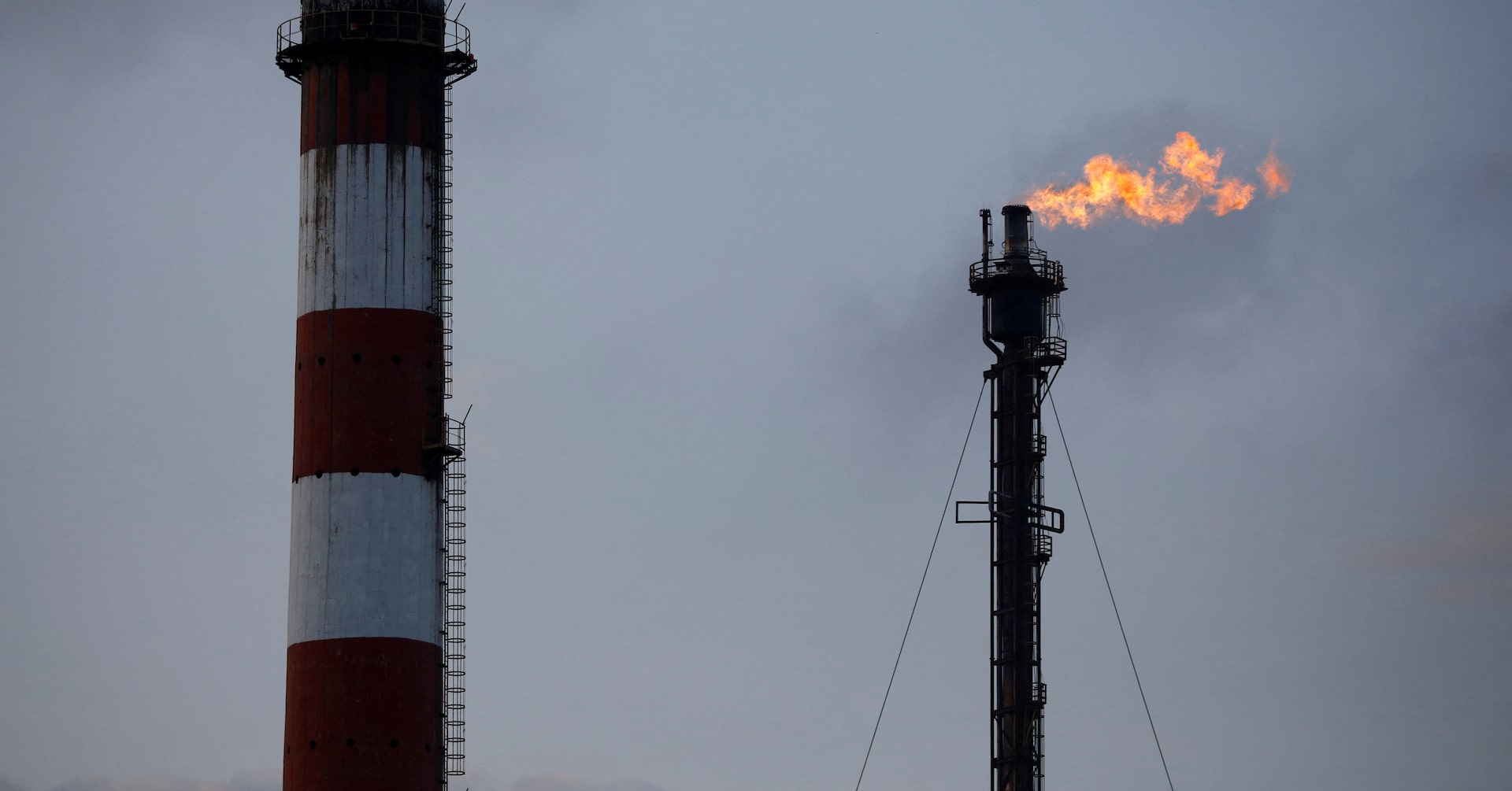
Energy Sector Thrives Amid Geopolitical Tensions
- Surge in Oil Prices: The escalation of the U.S. and Israel's conflict with Iran has led to a nearly 30% increase in crude oil prices, making the energy sector the top-performing area this year and significantly boosting investor confidence in the sector.
- Strong Performance of Major Oil Companies: Due to geopolitical risks, stocks of large integrated oil companies like Chevron and Exxon Mobil have reached 52-week highs, demonstrating their robust competitiveness in the global oil and gas supply chain.
- Optimistic Outlook for TechnipFMC: As a leading manufacturer in the energy sector, TechnipFMC benefits from increased capital spending driven by rising oil prices, with its stock trading near a 52-week high and projected EPS growth of 14% this year, reaching $3.34 by 2027.
- Investor Shift to Energy: Amid heightened market volatility, investors are flocking to the energy sector for defensive investments, highlighting the relative safety and strong fundamentals of the industry in the current economic environment.
See More

Escalating Middle East Conflict Impacts Global Markets
- Market Turmoil Intensifies: South Korea's Kospi index fell 7.24% on Wednesday, extending its worst performance in 19 months, indicating severe investor sentiment impact due to escalating Middle East conflict.
- China's Policy Meeting in Focus: China's
See More
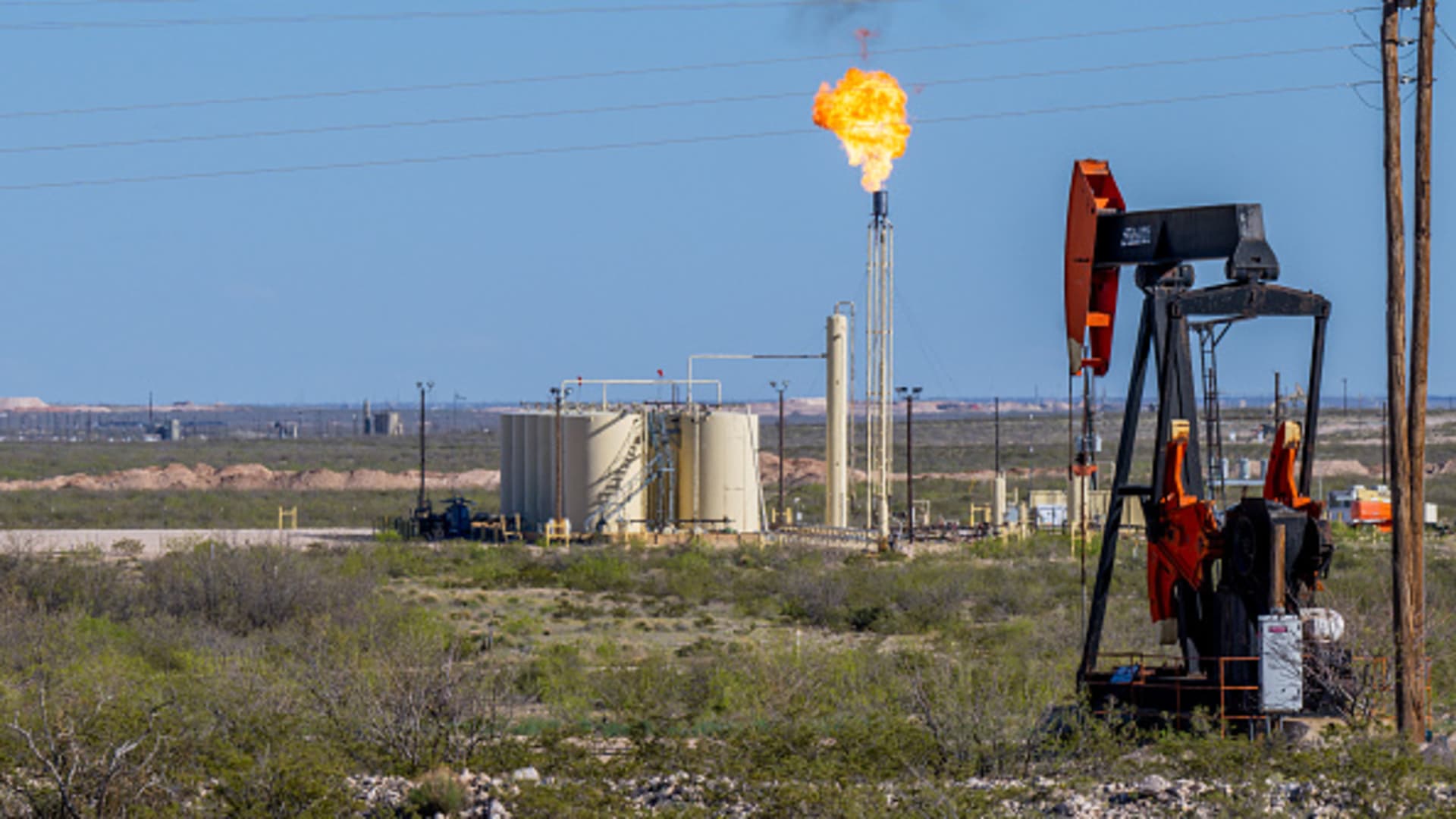
Crude Oil Prices Surge Amid U.S.-Iran Conflict
- Oil Price Surge: Following U.S. and Israeli military strikes on Iran, Brent crude prices have surged over 5% today and approximately 15% over the past few days, directly boosting oil company stock prices and attracting investor interest.
- Oil Stocks Performance: Amid rising oil prices, ConocoPhillips shares have jumped nearly 8% in recent days, while Chevron closed at a record high of nearly $190 per share on Monday, reflecting strong market confidence in oil companies.
- Strait of Hormuz Risk: Iran's threat to close the Strait of Hormuz jeopardizes approximately 20 million barrels of global oil supply daily, leading insurance companies to cancel war risk coverage and causing transportation costs to soar, which could further elevate oil prices.
- U.S. Production Capacity: Although U.S. oil producers have the capacity to ramp up production, the limitations of infrastructure and oilfield services mean that bringing new shale wells online can take months, making it difficult to alleviate upward pressure on oil prices in the short term.
See More

Oil Prices Surge Amid Iran Conflict, Impacting Stocks
- Surge in Oil Prices: The ongoing conflict with Iran has caused Brent crude prices to rise approximately 15% over the past few days, with a further increase of over 5% today, potentially pushing prices above $100 per barrel, which could have significant implications for global oil markets.
- U.S. Producers' Response: While U.S. producers have the capacity to ramp up production, the time required to bring newly drilled wells online due to infrastructure limitations means that they cannot quickly fill the supply gap in the short term, impacting market stability.
- Rising Transportation Costs: Attacks on several ships by Iran have led to record-high supertanker rates and the cancellation of war risk insurance by insurers, which increases the risks associated with transporting oil out of the region, further constraining oil flow from the Persian Gulf.
- Capital Expenditure Adjustments: In light of the unexpected surge in oil prices, ConocoPhillips has reduced its capital expenditure budget from $12.6 billion last year to $12 billion this year, while Chevron has increased its spending range to $18 billion-$19 billion, reflecting a cautious approach amid market uncertainties.
See More
Goldman Sachs CEO Discusses Iran War Impact on Markets
- Benign Market Reaction: Goldman Sachs CEO David Solomon remarked at the World Economic Forum that the financial markets have shown a surprisingly benign reaction to the ongoing Iran war, which has entered its fifth day, indicating that investor concerns may be less severe than anticipated.
- Increased Stock Volatility: U.S. stock markets have experienced heightened volatility, with the Dow Jones Industrial Average down 0.83%, the S&P 500 slipping 0.94%, and the Nasdaq Composite shedding 1.02% on Tuesday, reflecting the market's sensitivity to geopolitical risks.
- Rising Treasury Yields: Contrary to typical safe-haven behavior, U.S. Treasury yields are rising as investors worry about inflationary pressures from higher energy prices, leading to falling bond prices and increasing yields, which underscores the uncertainty surrounding future economic conditions.
- Oil Price Fluctuation Risks: International benchmark Brent crude futures rose 2.7% to $83.58 per barrel, with energy strategists warning that prolonged closure of the Strait of Hormuz could push oil prices above $100 per barrel, further exacerbating global economic instability.
See More
Middle East Conflict Intensifies Challenges for Global Central Banks
- Oil Price Surge Impact: Following U.S. and Israeli military strikes on Iran, Brent crude prices rose 1.6% to $82.76 per barrel, marking the highest level since January 2025, which will exacerbate global inflationary pressures and compel central banks to reassess their interest rate strategies.
- Central Bank Policy Dilemma: As tensions in the Middle East escalate, the European Central Bank faces a 'genuine dilemma' where rising oil prices could push already sticky inflation higher while economic growth outlook weakens due to U.S. tariffs, prompting officials to respond cautiously to energy price fluctuations.
- Asian Economic Vulnerability: Goldman Sachs estimates that a six-week closure of the Strait of Hormuz, with oil prices jumping from $70 to $85, could raise regional inflation in Asia by about 0.7 percentage points, with the Philippines and Thailand being the most vulnerable, potentially leading to a pause in rate cuts by their central banks.
- Fiscal Policy to Combat Inflation: Nomura anticipates that Asian countries will utilize fiscal policy as the first line of defense against inflation, potentially implementing price controls and increased subsidies, but this could exacerbate existing fiscal budget deficits, creating a policy dilemma for governments.
See More
Energy Sector Thrives Amid Geopolitical Tensions
- Surge in Oil Prices: The escalation of the U.S. and Israel's conflict with Iran has led to a nearly 30% increase in crude oil prices, making the energy sector the top-performing area this year and significantly boosting investor confidence in the sector.
- Strong Performance of Major Oil Companies: Due to geopolitical risks, stocks of large integrated oil companies like Chevron and Exxon Mobil have reached 52-week highs, demonstrating their robust competitiveness in the global oil and gas supply chain.
- Optimistic Outlook for TechnipFMC: As a leading manufacturer in the energy sector, TechnipFMC benefits from increased capital spending driven by rising oil prices, with its stock trading near a 52-week high and projected EPS growth of 14% this year, reaching $3.34 by 2027.
- Investor Shift to Energy: Amid heightened market volatility, investors are flocking to the energy sector for defensive investments, highlighting the relative safety and strong fundamentals of the industry in the current economic environment.
See More
Escalating Middle East Conflict Impacts Global Markets
- Market Turmoil Intensifies: South Korea's Kospi index fell 7.24% on Wednesday, extending its worst performance in 19 months, indicating severe investor sentiment impact due to escalating Middle East conflict.
- China's Policy Meeting in Focus: China's
See More
Crude Oil Prices Surge Amid U.S.-Iran Conflict
- Oil Price Surge: Following U.S. and Israeli military strikes on Iran, Brent crude prices have surged over 5% today and approximately 15% over the past few days, directly boosting oil company stock prices and attracting investor interest.
- Oil Stocks Performance: Amid rising oil prices, ConocoPhillips shares have jumped nearly 8% in recent days, while Chevron closed at a record high of nearly $190 per share on Monday, reflecting strong market confidence in oil companies.
- Strait of Hormuz Risk: Iran's threat to close the Strait of Hormuz jeopardizes approximately 20 million barrels of global oil supply daily, leading insurance companies to cancel war risk coverage and causing transportation costs to soar, which could further elevate oil prices.
- U.S. Production Capacity: Although U.S. oil producers have the capacity to ramp up production, the limitations of infrastructure and oilfield services mean that bringing new shale wells online can take months, making it difficult to alleviate upward pressure on oil prices in the short term.
See More
Oil Prices Surge Amid Iran Conflict, Impacting Stocks
- Surge in Oil Prices: The ongoing conflict with Iran has caused Brent crude prices to rise approximately 15% over the past few days, with a further increase of over 5% today, potentially pushing prices above $100 per barrel, which could have significant implications for global oil markets.
- U.S. Producers' Response: While U.S. producers have the capacity to ramp up production, the time required to bring newly drilled wells online due to infrastructure limitations means that they cannot quickly fill the supply gap in the short term, impacting market stability.
- Rising Transportation Costs: Attacks on several ships by Iran have led to record-high supertanker rates and the cancellation of war risk insurance by insurers, which increases the risks associated with transporting oil out of the region, further constraining oil flow from the Persian Gulf.
- Capital Expenditure Adjustments: In light of the unexpected surge in oil prices, ConocoPhillips has reduced its capital expenditure budget from $12.6 billion last year to $12 billion this year, while Chevron has increased its spending range to $18 billion-$19 billion, reflecting a cautious approach amid market uncertainties.
See More