

Family Office Operating Costs Surge Amid Wealth Growth
Written by Emily J. Thompson, Senior Investment Analyst
Updated: Feb 19 2026
0mins
Source: CNBC
- Rising Operating Costs: A recent J.P. Morgan survey reveals that family offices with at least $1 billion in assets incur average annual operating costs of $6.6 million, reflecting a $500,000 increase since 2023, highlighting the financial pressures stemming from wealth growth.
- Intensified Talent Competition: William Sinclair from J.P. Morgan notes that rising compensation for investment talent constitutes the largest portion of operating budgets, as family offices compete with private equity and hedge funds for skilled professionals.
- Outsourcing Trend: Approximately 80% of family offices reported outsourcing some portfolio management, with only 28% citing cost reduction as a primary reason, indicating that talent shortages are driving this trend more than cost concerns.
- Next Generation Cost Awareness: Heirs of ultra-wealthy families often experience sticker shock regarding expenses, leading them to consider consolidating costs or even unwinding family offices to ensure better management of inherited wealth.
Trade with 70% Backtested Accuracy
Stop guessing "Should I Buy USB?" and start using high-conviction signals backed by rigorous historical data.
Sign up today to access powerful investing tools and make smarter, data-driven decisions.
Analyst Views on USB
Wall Street analysts forecast USB stock price to rise
20 Analyst Rating
12 Buy
7 Hold
1 Sell
Moderate Buy
Current: 53.990

Low
50.00
Averages
58.87
High
75.00
Current: 53.990
Low
50.00
Averages
58.87
High
75.00
About USB
U.S. Bancorp is a financial services holding company. Its segments are Wealth, Corporate, Commercial and Institutional Banking, Consumer and Business Banking, Payment Services, and Treasury and Corporate Support. It provides a full range of financial services, including lending and depository services, cash management, capital markets, and trust and investment management services. It also engages in credit card services, merchant and ATM processing, mortgage banking, insurance, brokerage and leasing. Its banking subsidiary, U.S. Bank National Association (USBNA), is engaged in the banking business, principally in domestic markets. USBNA provides a range of products and services to individuals, businesses, institutional organizations, governmental entities and other financial institutions. Its non-banking subsidiaries offer investment and insurance products to its customers principally within its domestic markets, and fund administration services to a range of mutual and other funds.
About the author

Emily J. Thompson
Emily J. Thompson, a Chartered Financial Analyst (CFA) with 12 years in investment research, graduated with honors from the Wharton School. Specializing in industrial and technology stocks, she provides in-depth analysis for Intellectia’s earnings and market brief reports.
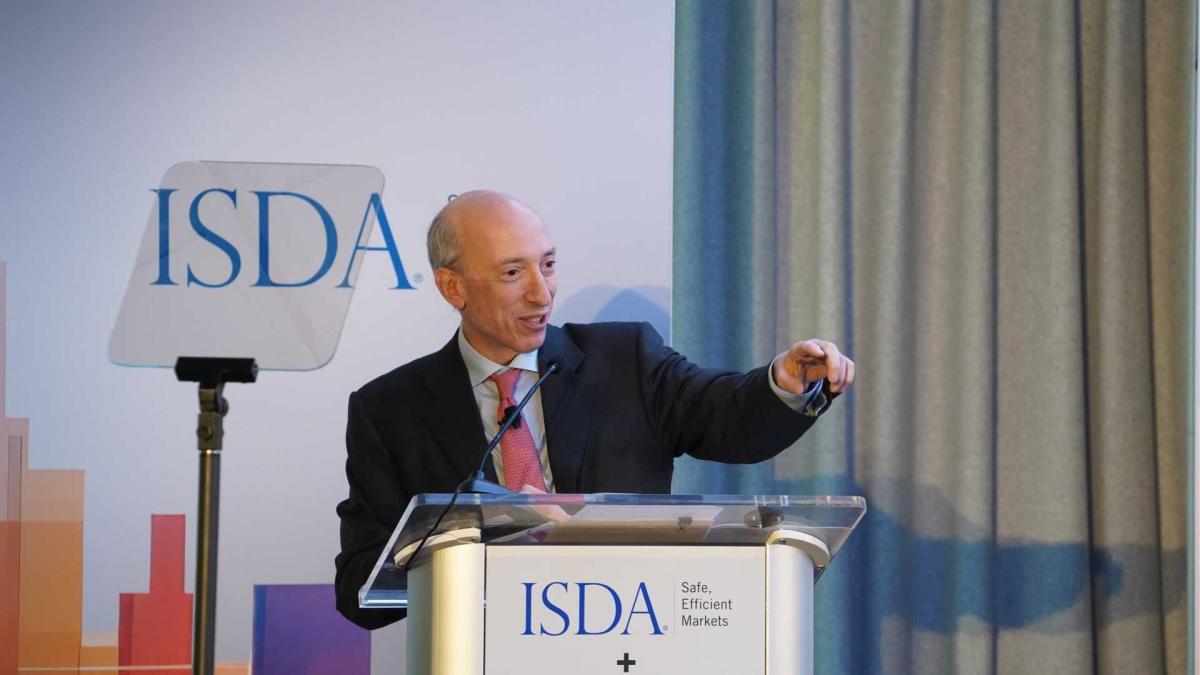
Trump Backs Crypto Firms in Battle with Banks Over Stablecoin Yields


- Trump's Support: Trump publicly supports crypto firms on social media, urging banks to relent on stablecoin yield issues, a stance that could sway Republican votes and facilitate the passage of the Clarity Act.
- Market Reaction: Following Trump's endorsement, Coinbase shares surged by 11% in early trading on Wednesday, while shares of JPMorgan and Bank of America fell by less than 1%, reflecting market optimism towards the crypto sector.
- Bank Concerns: Executives from JPMorgan and Bank of America warned that allowing yields on stablecoins could lead to a loss of up to $6.6 trillion in deposits, destabilizing smaller banks and affecting their lending capabilities.
- Industry Meetings: Trump has hosted a series of meetings at the White House to broker a deal between crypto firms and banks, and while banks have yet to relent, his support may bring new hope to the crypto industry.
See More

U.S. Bancorp Executives to Present at RBC Capital Markets Conference

- Executive Presentation: U.S. Bancorp Vice Chair and CFO John Stern, along with Vice Chair and Head of Wealth, Corporate, Commercial, and Institutional Banking Stephen Phillipson, will present at the RBC Capital Markets Global Financial Institutions Conference on March 11, showcasing the company's leadership and strategic vision in the financial sector.
- Event Timing and Location: The presentation is scheduled for 9:20 a.m. ET in New York, expected to attract significant attention from investors and industry experts, thereby enhancing U.S. Bancorp's market visibility.
- Live Webcast and Replay: A live audio webcast will be available on the day of the conference for investors unable to attend in person, with a replay accessible on the U.S. Bancorp Investor Relations website post-event, ensuring widespread dissemination of information.
- Company Overview: As of December 31, 2025, U.S. Bancorp boasts approximately 70,000 employees and $692 billion in assets, serving as the parent company of U.S. Bank National Association, with a diversified business model excelling in consumer banking, business banking, and wealth management.
See More

Long-Term Prospects for Fintech Stocks


- Current Status of Block: Block has a market cap of $38 billion and a current stock price of $63.03, down approximately 80% from its historical highs; despite slight sales growth in Q4, profitability remains a concern, leading to cautious market sentiment regarding its future.
- Layoffs and AI Integration: Block announced a reduction in workforce from 10,000 to 6,000 employees, reflecting its efforts to optimize operations while increasing AI integration for efficiency, yet the market remains skeptical about its long-term competitiveness.
- Growth Potential of Pagaya: Pagaya, with a market cap of $907 million, reported a 20% year-over-year revenue increase in Q4, achieving a net income of $34 million, exceeding projections, indicating strong performance and demand in the credit sector.
- Funding and Market Challenges: Pagaya recently secured $800 million in funding; despite facing pressures from the real estate market and a modest 15% revenue growth outlook for 2026, all analysts rate the stock as a buy, with the lowest target price approximately 80% higher than its current price.
See More

Block Cuts Workforce for Efficiency; Pagaya Secures $800 Million Funding
- Workforce Reduction: Block is reducing its workforce from 10,000 to 6,000 employees to enhance operational efficiency, reflecting past issues of corporate bloat; the market reacted positively, with stock prices rising after the fourth-quarter earnings report.
- Financial Performance: In the fourth quarter, Block reported slight sales growth, with significant improvements in operating income and margins, although its stock remains about 80% below its historical highs, indicating market concerns about its future profitability.
- Funding Update: Pagaya has secured $800 million in institutional funding for its loan operations in 2023, with fourth-quarter revenue increasing by 20% year-over-year and net income reaching $34 million, exceeding projections of $25 million, showcasing its strong growth potential in the credit market.
- Market Outlook: Despite pressures in the single-family rental market, Pagaya's overall network volume increased by 34% year-over-year in the fourth quarter, demonstrating its expansion capabilities across multiple credit sectors, and all analysts covering the stock rate it as a buy, with target prices approximately 80% higher than current levels.
See More

Wall Street Analysts Adjust Ratings


- Analyst Rating Changes: Top Wall Street analysts have adjusted their ratings on several companies, including upgrades, downgrades, and initiations, reflecting varying market perspectives that could influence investor decisions.
- Market Reaction Expectations: Rating changes by analysts typically attract market attention, as investors may adjust their positions based on these ratings, potentially impacting the price volatility of related stocks.
- Impact of Rating Changes: Upgrades can boost investor confidence and drive stock prices higher, while downgrades may lead to price declines, highlighting the significant role analysts play in the market.
- Access More Information: For a complete view of all analyst rating changes, including specific upgrades and downgrades, investors can visit our analyst ratings page to obtain the latest data and analysis.
See More
Wall Street Analysts Adjust Ratings
- Analyst Rating Changes: Top Wall Street analysts have adjusted their ratings on several companies, reflecting varying market perspectives that could influence investor decisions and market trends.
- Upgrades and Downgrades: Analysts have issued upgrades and downgrades on certain stocks, with these rating changes likely to directly impact the stock price fluctuations of the affected companies, necessitating investor attention.
- Market Reaction: Rating changes often trigger immediate market reactions, as investors may adjust their positions based on analysts' recommendations, thereby affecting overall market sentiment and liquidity.
- Investment Insights: While the article does not provide specific investment advice, the changes in analysts' ratings offer crucial reference points for investors, aiding them in making more informed investment decisions.
See More
Trump Backs Crypto Firms in Battle with Banks Over Stablecoin Yields
- Trump's Support: Trump publicly supports crypto firms on social media, urging banks to relent on stablecoin yield issues, a stance that could sway Republican votes and facilitate the passage of the Clarity Act.
- Market Reaction: Following Trump's endorsement, Coinbase shares surged by 11% in early trading on Wednesday, while shares of JPMorgan and Bank of America fell by less than 1%, reflecting market optimism towards the crypto sector.
- Bank Concerns: Executives from JPMorgan and Bank of America warned that allowing yields on stablecoins could lead to a loss of up to $6.6 trillion in deposits, destabilizing smaller banks and affecting their lending capabilities.
- Industry Meetings: Trump has hosted a series of meetings at the White House to broker a deal between crypto firms and banks, and while banks have yet to relent, his support may bring new hope to the crypto industry.
See More
U.S. Bancorp Executives to Present at RBC Capital Markets Conference
- Executive Presentation: U.S. Bancorp Vice Chair and CFO John Stern, along with Vice Chair and Head of Wealth, Corporate, Commercial, and Institutional Banking Stephen Phillipson, will present at the RBC Capital Markets Global Financial Institutions Conference on March 11, showcasing the company's leadership and strategic vision in the financial sector.
- Event Timing and Location: The presentation is scheduled for 9:20 a.m. ET in New York, expected to attract significant attention from investors and industry experts, thereby enhancing U.S. Bancorp's market visibility.
- Live Webcast and Replay: A live audio webcast will be available on the day of the conference for investors unable to attend in person, with a replay accessible on the U.S. Bancorp Investor Relations website post-event, ensuring widespread dissemination of information.
- Company Overview: As of December 31, 2025, U.S. Bancorp boasts approximately 70,000 employees and $692 billion in assets, serving as the parent company of U.S. Bank National Association, with a diversified business model excelling in consumer banking, business banking, and wealth management.
See More
Long-Term Prospects for Fintech Stocks
- Current Status of Block: Block has a market cap of $38 billion and a current stock price of $63.03, down approximately 80% from its historical highs; despite slight sales growth in Q4, profitability remains a concern, leading to cautious market sentiment regarding its future.
- Layoffs and AI Integration: Block announced a reduction in workforce from 10,000 to 6,000 employees, reflecting its efforts to optimize operations while increasing AI integration for efficiency, yet the market remains skeptical about its long-term competitiveness.
- Growth Potential of Pagaya: Pagaya, with a market cap of $907 million, reported a 20% year-over-year revenue increase in Q4, achieving a net income of $34 million, exceeding projections, indicating strong performance and demand in the credit sector.
- Funding and Market Challenges: Pagaya recently secured $800 million in funding; despite facing pressures from the real estate market and a modest 15% revenue growth outlook for 2026, all analysts rate the stock as a buy, with the lowest target price approximately 80% higher than its current price.
See More
Block Cuts Workforce for Efficiency; Pagaya Secures $800 Million Funding
- Workforce Reduction: Block is reducing its workforce from 10,000 to 6,000 employees to enhance operational efficiency, reflecting past issues of corporate bloat; the market reacted positively, with stock prices rising after the fourth-quarter earnings report.
- Financial Performance: In the fourth quarter, Block reported slight sales growth, with significant improvements in operating income and margins, although its stock remains about 80% below its historical highs, indicating market concerns about its future profitability.
- Funding Update: Pagaya has secured $800 million in institutional funding for its loan operations in 2023, with fourth-quarter revenue increasing by 20% year-over-year and net income reaching $34 million, exceeding projections of $25 million, showcasing its strong growth potential in the credit market.
- Market Outlook: Despite pressures in the single-family rental market, Pagaya's overall network volume increased by 34% year-over-year in the fourth quarter, demonstrating its expansion capabilities across multiple credit sectors, and all analysts covering the stock rate it as a buy, with target prices approximately 80% higher than current levels.
See More
Wall Street Analysts Adjust Ratings
- Analyst Rating Changes: Top Wall Street analysts have adjusted their ratings on several companies, including upgrades, downgrades, and initiations, reflecting varying market perspectives that could influence investor decisions.
- Market Reaction Expectations: Rating changes by analysts typically attract market attention, as investors may adjust their positions based on these ratings, potentially impacting the price volatility of related stocks.
- Impact of Rating Changes: Upgrades can boost investor confidence and drive stock prices higher, while downgrades may lead to price declines, highlighting the significant role analysts play in the market.
- Access More Information: For a complete view of all analyst rating changes, including specific upgrades and downgrades, investors can visit our analyst ratings page to obtain the latest data and analysis.
See More
Wall Street Analysts Adjust Ratings
- Analyst Rating Changes: Top Wall Street analysts have adjusted their ratings on several companies, reflecting varying market perspectives that could influence investor decisions and market trends.
- Upgrades and Downgrades: Analysts have issued upgrades and downgrades on certain stocks, with these rating changes likely to directly impact the stock price fluctuations of the affected companies, necessitating investor attention.
- Market Reaction: Rating changes often trigger immediate market reactions, as investors may adjust their positions based on analysts' recommendations, thereby affecting overall market sentiment and liquidity.
- Investment Insights: While the article does not provide specific investment advice, the changes in analysts' ratings offer crucial reference points for investors, aiding them in making more informed investment decisions.
See More




