Executive Blind Spots and Isolation Post-Promotion
Written by Emily J. Thompson, Senior Investment Analyst
Updated: 1 day ago
0mins

Should l Buy GS?
Source: Benzinga
- Executive Promotion Challenges: Goldman Sachs Vice Chair Rob Kaplan highlights that executives often face blind spots post-promotion due to a loss of oversight, which can lead to career stagnation, indicating a need for companies to prioritize feedback mechanisms to retain talent.
- Importance of Feedback Mechanisms: Kaplan emphasizes that as leaders rise, they should actively seek feedback from subordinates and cultivate them as coaches through regular skip-level meetings, thereby enhancing decision-making quality and team cohesion.
- Success of Self-Disruption: Apple Inc. discontinued the iPod while iPhone revenue soared to $85.27 billion, demonstrating the success of self-cannibalization strategies and underscoring the importance of flexibility in innovation and market adaptation.
- Shaping Leadership: Former Google CEO Eric Schmidt noted that effective leaders should motivate teams to be self-directed rather than merely issuing orders, a method that enhances creativity and efficiency within teams.
Trade with 70% Backtested Accuracy
Stop guessing "Should I Buy GS?" and start using high-conviction signals backed by rigorous historical data.
Sign up today to access powerful investing tools and make smarter, data-driven decisions.
Analyst Views on GS
Wall Street analysts forecast GS stock price to rise
12 Analyst Rating
5 Buy
7 Hold
0 Sell
Moderate Buy
Current: 862.580

Low
604.00
Averages
951.45
High
1100
Current: 862.580
Low
604.00
Averages
951.45
High
1100
About GS
The Goldman Sachs Group, Inc. is a global financial institution that delivers a range of financial services to a large and diversified client base that includes corporations, financial institutions, governments and individuals. Its segments include Global Banking & Markets, Asset & Wealth Management and Platform Solutions. The Global Banking & Markets segment offers a range of services, including financing, advisory services, risk distribution, and hedging for its institutional and corporate clients. It facilitates client transactions and makes markets in fixed income, equity, currency and commodity products. The Asset & Wealth Management segment manages assets and offers investment products across all asset classes to a diverse set of clients. It also provides investing and wealth advisory solutions. The Platform Solutions segment includes consumer platforms, such as partnerships offering credit cards and point-of-sale financing, and transaction banking and other platform businesses.
About the author

Emily J. Thompson
Emily J. Thompson, a Chartered Financial Analyst (CFA) with 12 years in investment research, graduated with honors from the Wharton School. Specializing in industrial and technology stocks, she provides in-depth analysis for Intellectia’s earnings and market brief reports.

Anita Ferrales Coy School Redevelopment Project Launched

- Project Launch: The Anita Ferrales Coy school redevelopment project has officially broken ground, with the first phase comprising 341 units under construction, aimed at providing quality mixed-income housing for cost-burdened residents and AISD employees, thereby addressing Austin's escalating housing affordability crisis.
- Financial Backing: Phase 1 of the project is financially supported by private equity capital from leading real estate investor Clarion Partners and construction loans from Goldman Sachs' Urban Investment Group, ensuring smooth progress and sustainable development of the initiative.
- Housing Policy: The development will allocate 50% of the units as rent and income-restricted, with 10% designated for households earning up to 60% of the Area Median Income (AMI) and 40% for those earning up to 80% AMI, aiming to provide affordable housing options for low-income families.
- Community Impact: The project not only offers priority leasing for AISD teachers and staff but also aims to enhance the overall quality of life in the community by creating a stable housing environment, serving as a blueprint for how school districts can leverage their assets to invest in their teams and uplift neighboring communities.
See More
Trump Nominates Warsh as Fed Chair Amid Controversy

- Nomination Context: On April 25, 2025, Trump officially nominated former Fed governor Kevin Warsh to replace Jerome Powell as Fed Chair for a four-year term, reflecting Trump's desire to exert influence over Fed policy.
- Senate Resistance: Senator Thom Tillis from North Carolina has stated he will block Warsh's nomination until the federal criminal investigation into Powell is resolved, potentially delaying the nomination process and affecting the stability of Fed leadership.
- Powell's Investigation: Powell is under investigation related to the $2.5 billion renovation of the Fed's headquarters, with threats of criminal charges stemming from his testimony, which could not only tarnish his reputation but also impact the Fed's policy decisions significantly.
- Trump-Fed Tensions: Trump's previous attempt to fire Fed Governor Lisa Cook, who supported Powell, illustrates his challenge to the Fed's independence, and the outcome of Cook's lawsuit could further influence the Fed's policy direction and internal power dynamics.
See More

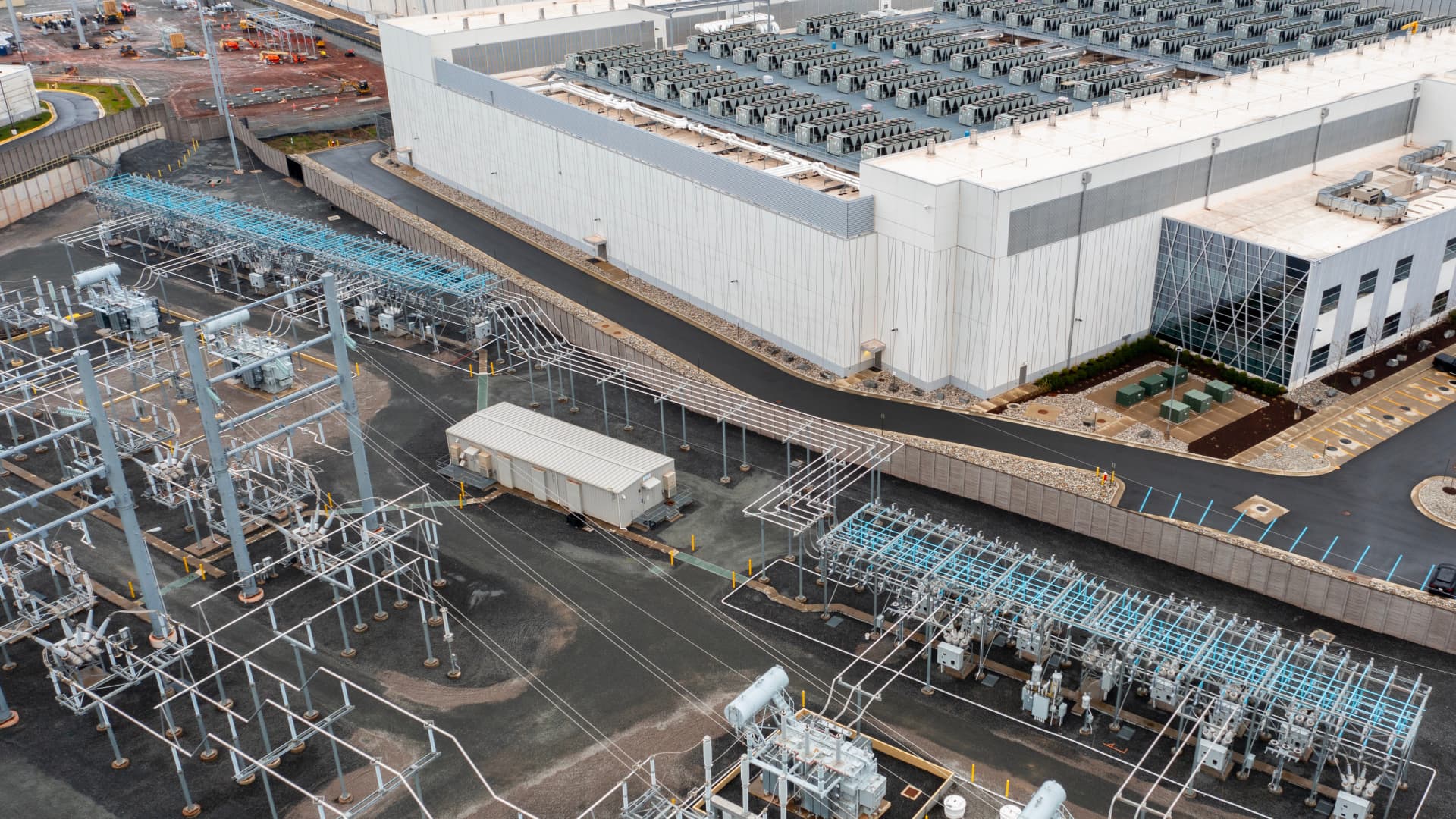
Trump Pushes Tech Firms for Self-Powered AI Data Centers


- Self-Power Commitment: Trump is set to sign an agreement with major tech firms like Amazon, Google, and Meta, mandating them to supply their own power for AI data centers, addressing rising public anger over electricity prices, although the specifics of the commitment remain unclear.
- Rising Electricity Pressure: Average residential electricity prices in the U.S. increased by 6% in 2025, contrasting Trump's promise to halve prices during his term, highlighting the government's challenges in controlling energy costs, which could impact his support in the midterm elections.
- Implementation Challenges: The decentralized nature of electric grid regulations across states poses significant hurdles for the Trump administration in converting the pledge into actionable policy, with experts indicating that new federal legislation is necessary to address power supply shortages.
- Increased Political Pressure: Trump is leveraging his political influence to pressure tech companies into absorbing the costs associated with their data centers, despite the complexities arising from state-level regulation of power generation, which may complicate policy implementation.
See More

EU Leads US in Digital Asset Regulation but Faces Challenges


- Unified Regulatory Framework: The EU's Markets-in-Crypto-Assets (MiCA) regulations have established a unified framework across 30 countries, significantly reducing fraud and boosting consumer confidence, thereby laying a solid foundation for the healthy development of the digital asset market.
- High Compliance Costs: Despite being ahead in regulation, the EU's high compliance costs have undermined the competitiveness of blockchain startups, leading to a shift of capital and startups towards the U.S., which impacts the vibrancy of the European market.
- Investor Participation Disparity: Currently, about 30% of American adults own cryptocurrencies compared to only 8.9% in Europe; although retail investor participation in the EU grew by 27% and stablecoin holdings jumped by 40% post-MiCA, the investment barriers remain high.
- Decentralization Risks: With increased regulation, decentralized projects face legal risks, and privacy tools along with non-KYC DeFi could be labeled as illegal financial services, potentially limiting innovation and exacerbating the trend of capital and talent flowing to the U.S.
See More

Market Dynamics and Investment Opportunities Analysis


- Oil Price Volatility: Global benchmark Brent crude has fallen from yesterday's high of $85.12 to around $81, with Treasury Secretary Scott Bessent indicating that the Trump administration plans to announce measures to stabilize oil flows in the Persian Gulf, highlighting the need for policy intervention.
- CrowdStrike's Strong Earnings: CrowdStrike exceeded expectations across key financial metrics, with CEO George Kurtz emphasizing that AI serves as a tailwind for data protection rather than a hindrance, and despite cautious market sentiment, the stock remains flat, indicating investor confidence in its long-term prospects.
- Ross Stores' Robust Performance: Ross Stores reported a 9% increase in same-store sales for the holiday quarter, significantly surpassing the 5.1% consensus, leading to a nearly 7% premarket stock rise, demonstrating strong consumer acceptance of its off-price retail model.
- Target Stock Upgrades: Following a surprisingly positive report, Target received two upgrades from analysts, with Bernstein moving from sell to hold and Telsey Advisory Group upgrading from hold to buy with a target price of $145, reflecting market optimism regarding the new CEO's potential impact.
See More

Goldman Sachs CEO Surprised by Market Reaction to Iran Conflict
- Muted Market Reaction: Goldman Sachs CEO David Solomon expressed surprise at the benign market reaction to the Iran conflict during a business summit in Sydney, indicating that investors may take weeks to fully digest the implications of the situation, which could lead to a harsher market response.
- Oil Price Surge: The widening conflict has caused oil prices to spike, raising supply concerns, while global stock indexes have slumped and the U.S. dollar has strengthened; however, Wall Street's losses have been relatively mild, with the S&P 500 down less than 1% this week, reflecting economic resilience.
- U.S. Economic Outlook: Solomon highlighted a compelling growth trajectory for the U.S. economy, suggesting a reasonable probability of it running slightly hot this year, which could result in inflation being higher than consensus expectations, showcasing the economy's underlying strength despite geopolitical tensions.
- Bitcoin Market Dynamics: Bitcoin has reclaimed the 20 EMA at $68,718 and is challenging the critical resistance at $72,497; a daily close above this level would confirm a break in the downtrend, indicating that buyers are regaining control of the market.
See More
Anita Ferrales Coy School Redevelopment Project Launched
- Project Launch: The Anita Ferrales Coy school redevelopment project has officially broken ground, with the first phase comprising 341 units under construction, aimed at providing quality mixed-income housing for cost-burdened residents and AISD employees, thereby addressing Austin's escalating housing affordability crisis.
- Financial Backing: Phase 1 of the project is financially supported by private equity capital from leading real estate investor Clarion Partners and construction loans from Goldman Sachs' Urban Investment Group, ensuring smooth progress and sustainable development of the initiative.
- Housing Policy: The development will allocate 50% of the units as rent and income-restricted, with 10% designated for households earning up to 60% of the Area Median Income (AMI) and 40% for those earning up to 80% AMI, aiming to provide affordable housing options for low-income families.
- Community Impact: The project not only offers priority leasing for AISD teachers and staff but also aims to enhance the overall quality of life in the community by creating a stable housing environment, serving as a blueprint for how school districts can leverage their assets to invest in their teams and uplift neighboring communities.
See More
Trump Nominates Warsh as Fed Chair Amid Controversy
- Nomination Context: On April 25, 2025, Trump officially nominated former Fed governor Kevin Warsh to replace Jerome Powell as Fed Chair for a four-year term, reflecting Trump's desire to exert influence over Fed policy.
- Senate Resistance: Senator Thom Tillis from North Carolina has stated he will block Warsh's nomination until the federal criminal investigation into Powell is resolved, potentially delaying the nomination process and affecting the stability of Fed leadership.
- Powell's Investigation: Powell is under investigation related to the $2.5 billion renovation of the Fed's headquarters, with threats of criminal charges stemming from his testimony, which could not only tarnish his reputation but also impact the Fed's policy decisions significantly.
- Trump-Fed Tensions: Trump's previous attempt to fire Fed Governor Lisa Cook, who supported Powell, illustrates his challenge to the Fed's independence, and the outcome of Cook's lawsuit could further influence the Fed's policy direction and internal power dynamics.
See More
Trump Pushes Tech Firms for Self-Powered AI Data Centers
- Self-Power Commitment: Trump is set to sign an agreement with major tech firms like Amazon, Google, and Meta, mandating them to supply their own power for AI data centers, addressing rising public anger over electricity prices, although the specifics of the commitment remain unclear.
- Rising Electricity Pressure: Average residential electricity prices in the U.S. increased by 6% in 2025, contrasting Trump's promise to halve prices during his term, highlighting the government's challenges in controlling energy costs, which could impact his support in the midterm elections.
- Implementation Challenges: The decentralized nature of electric grid regulations across states poses significant hurdles for the Trump administration in converting the pledge into actionable policy, with experts indicating that new federal legislation is necessary to address power supply shortages.
- Increased Political Pressure: Trump is leveraging his political influence to pressure tech companies into absorbing the costs associated with their data centers, despite the complexities arising from state-level regulation of power generation, which may complicate policy implementation.
See More
EU Leads US in Digital Asset Regulation but Faces Challenges
- Unified Regulatory Framework: The EU's Markets-in-Crypto-Assets (MiCA) regulations have established a unified framework across 30 countries, significantly reducing fraud and boosting consumer confidence, thereby laying a solid foundation for the healthy development of the digital asset market.
- High Compliance Costs: Despite being ahead in regulation, the EU's high compliance costs have undermined the competitiveness of blockchain startups, leading to a shift of capital and startups towards the U.S., which impacts the vibrancy of the European market.
- Investor Participation Disparity: Currently, about 30% of American adults own cryptocurrencies compared to only 8.9% in Europe; although retail investor participation in the EU grew by 27% and stablecoin holdings jumped by 40% post-MiCA, the investment barriers remain high.
- Decentralization Risks: With increased regulation, decentralized projects face legal risks, and privacy tools along with non-KYC DeFi could be labeled as illegal financial services, potentially limiting innovation and exacerbating the trend of capital and talent flowing to the U.S.
See More
Market Dynamics and Investment Opportunities Analysis
- Oil Price Volatility: Global benchmark Brent crude has fallen from yesterday's high of $85.12 to around $81, with Treasury Secretary Scott Bessent indicating that the Trump administration plans to announce measures to stabilize oil flows in the Persian Gulf, highlighting the need for policy intervention.
- CrowdStrike's Strong Earnings: CrowdStrike exceeded expectations across key financial metrics, with CEO George Kurtz emphasizing that AI serves as a tailwind for data protection rather than a hindrance, and despite cautious market sentiment, the stock remains flat, indicating investor confidence in its long-term prospects.
- Ross Stores' Robust Performance: Ross Stores reported a 9% increase in same-store sales for the holiday quarter, significantly surpassing the 5.1% consensus, leading to a nearly 7% premarket stock rise, demonstrating strong consumer acceptance of its off-price retail model.
- Target Stock Upgrades: Following a surprisingly positive report, Target received two upgrades from analysts, with Bernstein moving from sell to hold and Telsey Advisory Group upgrading from hold to buy with a target price of $145, reflecting market optimism regarding the new CEO's potential impact.
See More
Goldman Sachs CEO Surprised by Market Reaction to Iran Conflict
- Muted Market Reaction: Goldman Sachs CEO David Solomon expressed surprise at the benign market reaction to the Iran conflict during a business summit in Sydney, indicating that investors may take weeks to fully digest the implications of the situation, which could lead to a harsher market response.
- Oil Price Surge: The widening conflict has caused oil prices to spike, raising supply concerns, while global stock indexes have slumped and the U.S. dollar has strengthened; however, Wall Street's losses have been relatively mild, with the S&P 500 down less than 1% this week, reflecting economic resilience.
- U.S. Economic Outlook: Solomon highlighted a compelling growth trajectory for the U.S. economy, suggesting a reasonable probability of it running slightly hot this year, which could result in inflation being higher than consensus expectations, showcasing the economy's underlying strength despite geopolitical tensions.
- Bitcoin Market Dynamics: Bitcoin has reclaimed the 20 EMA at $68,718 and is challenging the critical resistance at $72,497; a daily close above this level would confirm a break in the downtrend, indicating that buyers are regaining control of the market.
See More