

Escalating Middle East Tensions Disrupt Global Trade
Written by Emily J. Thompson, Senior Investment Analyst
Updated: 1 day ago
0mins

Source: CNBC
- Flight Services Limited: The first flights out of Dubai have been cleared to depart since the U.S. and Israel attacked Iran, but services remain limited, resulting in over 11,000 flight cancellations in the Middle East, posing significant operational challenges for airlines.
- Oil Prices Surge: Crude oil prices jumped more than 8% on Monday after Iran announced the closure of the Strait of Hormuz, as market participants fear that the U.S.-Iran conflict could lead to major supply disruptions, significantly impacting the global energy market.
- Apple Product Launch: Apple launched a lower-cost iPhone 17e and a new iPad Air powered by its M4 chip, marking the beginning of a week-long hardware launch event that could stimulate consumer demand and enhance the company's sales performance.
- Shipping Industry Disruption: Following the U.S. and Israeli strikes on Iran, Danish shipping giant Maersk announced the suspension of all vessel crossings in the Strait of Hormuz, warning that services to Persian Gulf ports may experience delays, further exacerbating uncertainties in global trade.
Trade with 70% Backtested Accuracy
Stop guessing "Should I Buy BP?" and start using high-conviction signals backed by rigorous historical data.
Sign up today to access powerful investing tools and make smarter, data-driven decisions.
Analyst Views on BP
Wall Street analysts forecast BP stock price to rise
11 Analyst Rating
5 Buy
5 Hold
1 Sell
Moderate Buy
Current: 38.860

Low
6.38
Averages
84.26
High
503.69
Current: 38.860
Low
6.38
Averages
84.26
High
503.69
About BP
BP p.l.c. is a United Kingdom-based integrated energy company. The Company's segments include Gas & low carbon energy, Oil production & operations, Customers & products, and Other businesses & corporate. Its gas business includes regions with upstream activities that produce natural gas, integrated gas and power, and gas trading. Its low carbon business includes solar, offshore and onshore wind, hydrogen and carbon capture and storage and power trading. Oil production & operations segment comprises regions with upstream activities that predominantly produce crude oil, including bpx energy. Customers & products segment comprises its customer-focused businesses, which include convenience and retail fuels, electric vehicle charging, as well as Castrol, aviation and business to business and midstream. It also includes its products businesses, refining and oil trading, as well as its bioenergy businesses. Other businesses & corporate segment comprises technology and bp ventures.
About the author

Emily J. Thompson
Emily J. Thompson, a Chartered Financial Analyst (CFA) with 12 years in investment research, graduated with honors from the Wharton School. Specializing in industrial and technology stocks, she provides in-depth analysis for Intellectia’s earnings and market brief reports.

U.S. Treasury Yields Rise as Investors Monitor Middle East Conflict


- Rising Treasury Yields: As of 6:37 a.m. ET, the benchmark 10-year Treasury yield increased by over 2 basis points to 4.084%, while the 30-year yield also rose by 2 basis points to 4.732%, indicating heightened market focus on upcoming economic data.
- Short-Term Bond Fluctuations: The 2-year Treasury yield also climbed 2 basis points to 3.52%, reflecting investor caution regarding short-term economic outlook amid ongoing Middle East tensions.
- Middle East Tensions Impact: The ongoing U.S.-Iran conflict has investors worried about a potential spike in oil prices leading to inflation, although President Trump’s announcement of risk insurance for maritime trade in the Persian Gulf aims to alleviate market fears.
- Economic Data Expectations: Investors are closely watching the upcoming ADP private payroll report, with forecasts predicting an addition of 48,000 jobs in February, a significant increase from January's 22,000, which could bolster confidence in economic recovery.
See More

Nvidia's NVentures Joins Series D Funding First Close

- Investment Participation: Nvidia's venture capital arm, NVentures, participated in the first close of a Series D funding round, although the specific amount raised remains undisclosed, indicating Nvidia's ongoing commitment to emerging technology sectors.
- Strategic Positioning: By engaging in this funding round, Nvidia not only positions itself to capitalize on potentially high-return investment opportunities but also reinforces its strategic positioning in technology innovation and market leadership.
- Market Signal: This funding activity highlights the vibrancy of the venture capital market, particularly within the tech sector, reflecting investor confidence in future technological advancements and support for innovative companies.
- Industry Impact: Nvidia's involvement may attract additional investors to the sector, fostering growth and development among related companies, thereby generating a positive ripple effect across the entire technology industry.
See More

UK Stock Market Resilience Amid Middle East Conflict


- Defensive Stock Advantage: The FTSE 100 index has shown relative resilience amid market volatility caused by Middle Eastern conflicts, benefiting from its defensive mix of pharmaceutical, utility, and consumer goods stocks, which enhances its ability to withstand uncertainty.
- Defense Sector Gains: Companies like BAE Systems, Babcock International, and Rolls-Royce, which are part of the defense contracting sector, are likely to benefit from the turmoil, positioning these constituents for growth during geopolitical tensions and reinforcing their market presence.
- Commodity Price Upside: Mining stocks such as Rio Tinto, Glencore, and Anglo American could see gains from rising commodity prices due to supply chain disruptions, particularly with gold prices potentially increasing, providing additional profit opportunities for investors.
- Energy Price Volatility Impact: As a net energy importer, the UK economy faces pressure from rising natural gas prices, especially after QatarEnergy suspended LNG production, leading to a more than 40% rise in UK natural gas futures, which could trigger renewed inflationary pressures.
See More
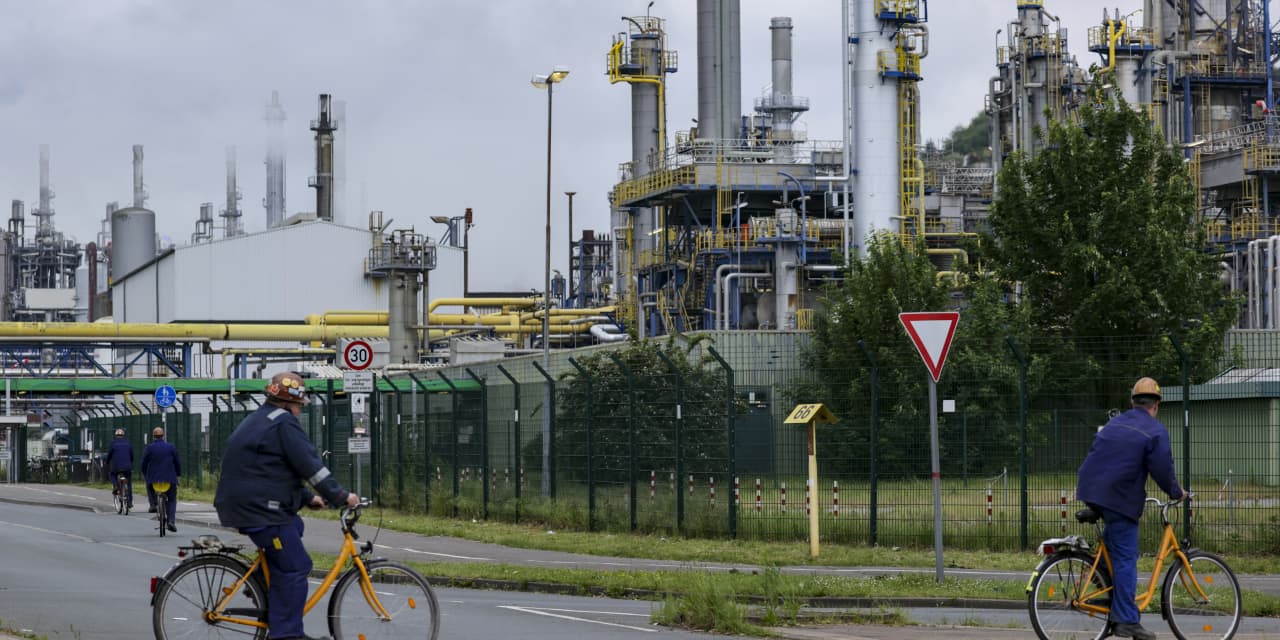
Middle East Conflict Impacts European Stock Openings
- Market Opening Expectations: European stocks are anticipated to open mixed on Wednesday, with the U.K.'s FTSE index expected to rise by 0.3%, while Germany's DAX and France's CAC 40 remain flat, and Italy's FTSE MIB slightly declines, reflecting ongoing market concerns over the Middle East conflict.
- Investor Sentiment Deterioration: Regional stocks sharply declined on Tuesday, led by losses in banking, insurance, travel and leisure, and utilities sectors, indicating a significant downturn in global investor sentiment due to the ongoing conflict.
- U.S. and Israeli Military Actions: Continued U.S. and Israeli attacks on Iran have prompted Western nations to organize evacuation flights for their citizens in the region, further exacerbating market uncertainty and volatility.
- Oil Price Fluctuations: Despite President Trump's announcement of U.S. insurance for tankers in the Persian Gulf and potential Navy escorts, oil prices eased in extended trading on Tuesday, highlighting the market's sensitivity to geopolitical risks.
See More

Middle East Conflict Intensifies Challenges for Global Central Banks

- Oil Price Surge Impact: Following U.S. and Israeli military strikes on Iran, Brent crude prices rose 1.6% to $82.76 per barrel, marking the highest level since January 2025, which will exacerbate global inflationary pressures and compel central banks to reassess their interest rate strategies.
- Central Bank Policy Dilemma: As tensions in the Middle East escalate, the European Central Bank faces a 'genuine dilemma' where rising oil prices could push already sticky inflation higher while economic growth outlook weakens due to U.S. tariffs, prompting officials to respond cautiously to energy price fluctuations.
- Asian Economic Vulnerability: Goldman Sachs estimates that a six-week closure of the Strait of Hormuz, with oil prices jumping from $70 to $85, could raise regional inflation in Asia by about 0.7 percentage points, with the Philippines and Thailand being the most vulnerable, potentially leading to a pause in rate cuts by their central banks.
- Fiscal Policy to Combat Inflation: Nomura anticipates that Asian countries will utilize fiscal policy as the first line of defense against inflation, potentially implementing price controls and increased subsidies, but this could exacerbate existing fiscal budget deficits, creating a policy dilemma for governments.
See More

Escalating Middle East Conflict Impacts Global Markets
- Market Turmoil Intensifies: South Korea's Kospi index fell 7.24% on Wednesday, extending its worst performance in 19 months, indicating severe investor sentiment impact due to escalating Middle East conflict.
- China's Policy Meeting in Focus: China's
See More
U.S. Treasury Yields Rise as Investors Monitor Middle East Conflict
- Rising Treasury Yields: As of 6:37 a.m. ET, the benchmark 10-year Treasury yield increased by over 2 basis points to 4.084%, while the 30-year yield also rose by 2 basis points to 4.732%, indicating heightened market focus on upcoming economic data.
- Short-Term Bond Fluctuations: The 2-year Treasury yield also climbed 2 basis points to 3.52%, reflecting investor caution regarding short-term economic outlook amid ongoing Middle East tensions.
- Middle East Tensions Impact: The ongoing U.S.-Iran conflict has investors worried about a potential spike in oil prices leading to inflation, although President Trump’s announcement of risk insurance for maritime trade in the Persian Gulf aims to alleviate market fears.
- Economic Data Expectations: Investors are closely watching the upcoming ADP private payroll report, with forecasts predicting an addition of 48,000 jobs in February, a significant increase from January's 22,000, which could bolster confidence in economic recovery.
See More
Nvidia's NVentures Joins Series D Funding First Close
- Investment Participation: Nvidia's venture capital arm, NVentures, participated in the first close of a Series D funding round, although the specific amount raised remains undisclosed, indicating Nvidia's ongoing commitment to emerging technology sectors.
- Strategic Positioning: By engaging in this funding round, Nvidia not only positions itself to capitalize on potentially high-return investment opportunities but also reinforces its strategic positioning in technology innovation and market leadership.
- Market Signal: This funding activity highlights the vibrancy of the venture capital market, particularly within the tech sector, reflecting investor confidence in future technological advancements and support for innovative companies.
- Industry Impact: Nvidia's involvement may attract additional investors to the sector, fostering growth and development among related companies, thereby generating a positive ripple effect across the entire technology industry.
See More
UK Stock Market Resilience Amid Middle East Conflict
- Defensive Stock Advantage: The FTSE 100 index has shown relative resilience amid market volatility caused by Middle Eastern conflicts, benefiting from its defensive mix of pharmaceutical, utility, and consumer goods stocks, which enhances its ability to withstand uncertainty.
- Defense Sector Gains: Companies like BAE Systems, Babcock International, and Rolls-Royce, which are part of the defense contracting sector, are likely to benefit from the turmoil, positioning these constituents for growth during geopolitical tensions and reinforcing their market presence.
- Commodity Price Upside: Mining stocks such as Rio Tinto, Glencore, and Anglo American could see gains from rising commodity prices due to supply chain disruptions, particularly with gold prices potentially increasing, providing additional profit opportunities for investors.
- Energy Price Volatility Impact: As a net energy importer, the UK economy faces pressure from rising natural gas prices, especially after QatarEnergy suspended LNG production, leading to a more than 40% rise in UK natural gas futures, which could trigger renewed inflationary pressures.
See More
Middle East Conflict Impacts European Stock Openings
- Market Opening Expectations: European stocks are anticipated to open mixed on Wednesday, with the U.K.'s FTSE index expected to rise by 0.3%, while Germany's DAX and France's CAC 40 remain flat, and Italy's FTSE MIB slightly declines, reflecting ongoing market concerns over the Middle East conflict.
- Investor Sentiment Deterioration: Regional stocks sharply declined on Tuesday, led by losses in banking, insurance, travel and leisure, and utilities sectors, indicating a significant downturn in global investor sentiment due to the ongoing conflict.
- U.S. and Israeli Military Actions: Continued U.S. and Israeli attacks on Iran have prompted Western nations to organize evacuation flights for their citizens in the region, further exacerbating market uncertainty and volatility.
- Oil Price Fluctuations: Despite President Trump's announcement of U.S. insurance for tankers in the Persian Gulf and potential Navy escorts, oil prices eased in extended trading on Tuesday, highlighting the market's sensitivity to geopolitical risks.
See More
Middle East Conflict Intensifies Challenges for Global Central Banks
- Oil Price Surge Impact: Following U.S. and Israeli military strikes on Iran, Brent crude prices rose 1.6% to $82.76 per barrel, marking the highest level since January 2025, which will exacerbate global inflationary pressures and compel central banks to reassess their interest rate strategies.
- Central Bank Policy Dilemma: As tensions in the Middle East escalate, the European Central Bank faces a 'genuine dilemma' where rising oil prices could push already sticky inflation higher while economic growth outlook weakens due to U.S. tariffs, prompting officials to respond cautiously to energy price fluctuations.
- Asian Economic Vulnerability: Goldman Sachs estimates that a six-week closure of the Strait of Hormuz, with oil prices jumping from $70 to $85, could raise regional inflation in Asia by about 0.7 percentage points, with the Philippines and Thailand being the most vulnerable, potentially leading to a pause in rate cuts by their central banks.
- Fiscal Policy to Combat Inflation: Nomura anticipates that Asian countries will utilize fiscal policy as the first line of defense against inflation, potentially implementing price controls and increased subsidies, but this could exacerbate existing fiscal budget deficits, creating a policy dilemma for governments.
See More
Escalating Middle East Conflict Impacts Global Markets
- Market Turmoil Intensifies: South Korea's Kospi index fell 7.24% on Wednesday, extending its worst performance in 19 months, indicating severe investor sentiment impact due to escalating Middle East conflict.
- China's Policy Meeting in Focus: China's
See More




