Editorial | Uncertain Backing for the FDA's Biologics Evaluation

FDA Rejection of Replimune's RP1: The FDA rejected Replimune's RP1 immunotherapy for metastatic melanoma due to insufficient evidence of effectiveness, despite the Public Health Service Act not requiring such evidence for approval.
Understanding Potency vs. Effectiveness: The term "potency" refers to the amount of a product needed to achieve a certain effect in laboratory settings, which is distinct from "effectiveness" in clinical applications.
Historical Context of the Biologics Act: The original Biologics Act of 1902 included a requirement for "efficaciousness," but this was removed by the Senate during the consolidation into the Public Health Service Act in 1944.
Implications of Legislative Changes: The removal of the efficacy requirement has implications for how biologics are evaluated and approved, potentially affecting patient access to effective treatments.
Trade with 70% Backtested Accuracy
Analyst Views on CVX

About CVX
About the author


Market Rebounds as ADP Employment Data Exceeds Expectations


- Strong Employment Data: The ADP report indicates that private payrolls increased by 63,000 in February, surpassing the Dow Jones estimate of 48,000, which suggests a robust recovery in the labor market and alleviates concerns about economic slowdown.
- Services PMI Rebound: The Institute for Supply Management's Services PMI rose to 56.1 in February, the highest level since July 2022, indicating a rebound in economic activity, while the drop in prices paid by service organizations suggests potential easing of inflationary pressures.
- Oil Market Volatility: Despite ongoing conflict in Iran, oil prices saw their first decline on Wednesday, reflecting market concerns over rising energy prices, and comments from the Treasury Secretary may influence the oil market and overall market sentiment.
- Apple's New Product Launch: Apple introduced the new MacBook Neo with a starting price of $599, significantly lower than other models, appealing to budget-conscious consumers and expanding its share in the lower-priced laptop market.

US Stocks Rise on Economic Strength Amid Iran War Concerns


- Strong Economic Data: The February ADP employment report revealed an addition of 63,000 jobs, surpassing expectations of 50,000, indicating continued growth in the labor market and bolstering investor confidence in economic recovery.
- Service Sector Expansion: The US services index unexpectedly rose to 56.1, marking the fastest expansion in 3.5 years, while service price pressures fell to an 11-month low, demonstrating economic resilience that could further drive stock market gains.
- International Situation Impact: Reports of Iran making indirect contact with the US to negotiate an end to the war boosted market sentiment, although Iranian media denied the claims, the hope for an early resolution to the conflict remains.
- Oil Price Volatility: Despite crude oil prices being affected by the Iranian drone attack and the closure of the Strait of Hormuz leading to production cuts in Iraq, the market estimates a risk premium of $18 per barrel, reflecting heightened concerns over energy supply.

US Stocks Fluctuate Slightly Amid Oil Price Pressures
- Market Movements: The S&P 500 Index rose by 0.03%, while the Dow Jones Industrial Average fell by 0.11%, and the Nasdaq 100 Index increased by 0.63%, reflecting a slight recovery in the market following reports of indirect contact between Iran and the US to negotiate an end to the conflict, despite ongoing global trade tensions.
- Employment Data Impact: The February ADP employment report indicated an increase of 63,000 jobs, surpassing expectations of 50,000, suggesting a resilient labor market that may support the stock market, while also raising concerns about Federal Reserve policy direction.
- Oil Price Fluctuations: Crude oil prices fell by over 1% after Iran proposed discussions with the US to end the conflict, compounded by Treasury Secretary's comments on potential 15% tariffs on imports, adding to market uncertainty.
- Economic Outlook: This week, the market will focus on US-Iran war news, corporate earnings, and economic data, with expectations for a slight decline in the February ISM services index and an increase of 3,000 in initial unemployment claims to 215,000, highlighting the complexities of economic recovery.

Market Dynamics and Investment Opportunities Analysis


- Oil Price Volatility: Global benchmark Brent crude has fallen from yesterday's high of $85.12 to around $81, with Treasury Secretary Scott Bessent indicating that the Trump administration plans to announce measures to stabilize oil flows in the Persian Gulf, highlighting the need for policy intervention.
- CrowdStrike's Strong Earnings: CrowdStrike exceeded expectations across key financial metrics, with CEO George Kurtz emphasizing that AI serves as a tailwind for data protection rather than a hindrance, and despite cautious market sentiment, the stock remains flat, indicating investor confidence in its long-term prospects.
- Ross Stores' Robust Performance: Ross Stores reported a 9% increase in same-store sales for the holiday quarter, significantly surpassing the 5.1% consensus, leading to a nearly 7% premarket stock rise, demonstrating strong consumer acceptance of its off-price retail model.
- Target Stock Upgrades: Following a surprisingly positive report, Target received two upgrades from analysts, with Bernstein moving from sell to hold and Telsey Advisory Group upgrading from hold to buy with a target price of $145, reflecting market optimism regarding the new CEO's potential impact.

U.S. to Support Oil Trade in the Gulf


- Oil Price Decline: U.S. crude oil prices fell 1.1% to $73.74 per barrel on Wednesday, marking the first drop since the U.S. initiated military actions against Iran, indicating market concerns over future developments.
- Government Support Measures: Treasury Secretary Scott Bessent announced that the Trump administration will provide insurance for oil tankers in the Gulf through the International Development Finance Corporation and promised naval escorts if necessary, aiming to restore market confidence.
- Strait of Hormuz Traffic Standstill: Tanker traffic through the Strait of Hormuz has nearly come to a halt as ship owners fear Iranian retaliatory strikes, with the strait being the world's most critical chokepoint for oil trade, accounting for about 20% of global oil consumption.
- Market Reaction: Despite a 6% and 5% increase in U.S. crude prices on Monday and Tuesday respectively, market sentiment turned cautious following Bessent's announcement of further support measures, leading to a decline in oil prices.
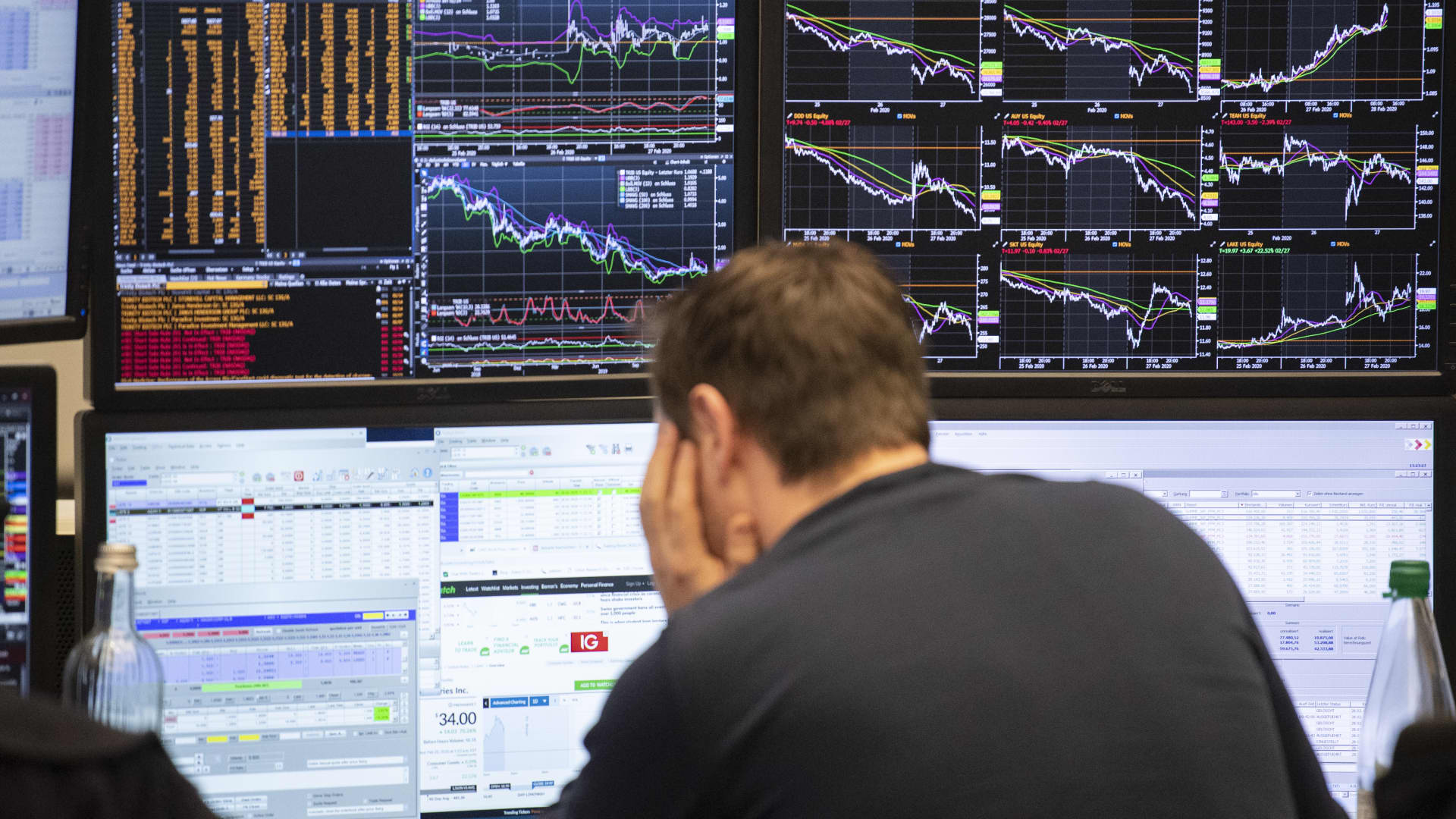
Trump's Global Tariff Set for Implementation This Week


- Market Rebound: Trump's announcement that the U.S. will insure Gulf shipping and escort tankers through the Strait of Hormuz led to a market rebound after significant losses, with the S&P 500 closing down about 1%, well off its session lows of roughly 2.5%, indicating market sensitivity to geopolitical risks.
- Oil Price Impact: The assurances regarding oil trade not only boosted stock prices but also eased crude oil price pressures, highlighting that fluctuations in the oil market could have broader macroeconomic implications that investors need to monitor closely.
- Private Credit Concerns: Blackstone's Jon Gray defended the quality of loans from its main private credit fund, despite allowing investors to withdraw nearly 8% of their investments, which caused Blackstone shares to fall nearly 4%, reflecting growing market concerns about the health of the private credit sector.
- Congressional Hearing Pressure: Commerce Secretary Howard Lutnick voluntarily agreed to testify before the House Oversight Committee regarding his ties to sex offender Jeffrey Epstein, which has drawn bipartisan scrutiny, although he has not been accused of wrongdoing, potentially impacting his political future.
Market Rebounds as ADP Employment Data Exceeds Expectations
- Strong Employment Data: The ADP report indicates that private payrolls increased by 63,000 in February, surpassing the Dow Jones estimate of 48,000, which suggests a robust recovery in the labor market and alleviates concerns about economic slowdown.
- Services PMI Rebound: The Institute for Supply Management's Services PMI rose to 56.1 in February, the highest level since July 2022, indicating a rebound in economic activity, while the drop in prices paid by service organizations suggests potential easing of inflationary pressures.
- Oil Market Volatility: Despite ongoing conflict in Iran, oil prices saw their first decline on Wednesday, reflecting market concerns over rising energy prices, and comments from the Treasury Secretary may influence the oil market and overall market sentiment.
- Apple's New Product Launch: Apple introduced the new MacBook Neo with a starting price of $599, significantly lower than other models, appealing to budget-conscious consumers and expanding its share in the lower-priced laptop market.
US Stocks Rise on Economic Strength Amid Iran War Concerns
- Strong Economic Data: The February ADP employment report revealed an addition of 63,000 jobs, surpassing expectations of 50,000, indicating continued growth in the labor market and bolstering investor confidence in economic recovery.
- Service Sector Expansion: The US services index unexpectedly rose to 56.1, marking the fastest expansion in 3.5 years, while service price pressures fell to an 11-month low, demonstrating economic resilience that could further drive stock market gains.
- International Situation Impact: Reports of Iran making indirect contact with the US to negotiate an end to the war boosted market sentiment, although Iranian media denied the claims, the hope for an early resolution to the conflict remains.
- Oil Price Volatility: Despite crude oil prices being affected by the Iranian drone attack and the closure of the Strait of Hormuz leading to production cuts in Iraq, the market estimates a risk premium of $18 per barrel, reflecting heightened concerns over energy supply.
US Stocks Fluctuate Slightly Amid Oil Price Pressures
- Market Movements: The S&P 500 Index rose by 0.03%, while the Dow Jones Industrial Average fell by 0.11%, and the Nasdaq 100 Index increased by 0.63%, reflecting a slight recovery in the market following reports of indirect contact between Iran and the US to negotiate an end to the conflict, despite ongoing global trade tensions.
- Employment Data Impact: The February ADP employment report indicated an increase of 63,000 jobs, surpassing expectations of 50,000, suggesting a resilient labor market that may support the stock market, while also raising concerns about Federal Reserve policy direction.
- Oil Price Fluctuations: Crude oil prices fell by over 1% after Iran proposed discussions with the US to end the conflict, compounded by Treasury Secretary's comments on potential 15% tariffs on imports, adding to market uncertainty.
- Economic Outlook: This week, the market will focus on US-Iran war news, corporate earnings, and economic data, with expectations for a slight decline in the February ISM services index and an increase of 3,000 in initial unemployment claims to 215,000, highlighting the complexities of economic recovery.
Market Dynamics and Investment Opportunities Analysis
- Oil Price Volatility: Global benchmark Brent crude has fallen from yesterday's high of $85.12 to around $81, with Treasury Secretary Scott Bessent indicating that the Trump administration plans to announce measures to stabilize oil flows in the Persian Gulf, highlighting the need for policy intervention.
- CrowdStrike's Strong Earnings: CrowdStrike exceeded expectations across key financial metrics, with CEO George Kurtz emphasizing that AI serves as a tailwind for data protection rather than a hindrance, and despite cautious market sentiment, the stock remains flat, indicating investor confidence in its long-term prospects.
- Ross Stores' Robust Performance: Ross Stores reported a 9% increase in same-store sales for the holiday quarter, significantly surpassing the 5.1% consensus, leading to a nearly 7% premarket stock rise, demonstrating strong consumer acceptance of its off-price retail model.
- Target Stock Upgrades: Following a surprisingly positive report, Target received two upgrades from analysts, with Bernstein moving from sell to hold and Telsey Advisory Group upgrading from hold to buy with a target price of $145, reflecting market optimism regarding the new CEO's potential impact.
U.S. to Support Oil Trade in the Gulf
- Oil Price Decline: U.S. crude oil prices fell 1.1% to $73.74 per barrel on Wednesday, marking the first drop since the U.S. initiated military actions against Iran, indicating market concerns over future developments.
- Government Support Measures: Treasury Secretary Scott Bessent announced that the Trump administration will provide insurance for oil tankers in the Gulf through the International Development Finance Corporation and promised naval escorts if necessary, aiming to restore market confidence.
- Strait of Hormuz Traffic Standstill: Tanker traffic through the Strait of Hormuz has nearly come to a halt as ship owners fear Iranian retaliatory strikes, with the strait being the world's most critical chokepoint for oil trade, accounting for about 20% of global oil consumption.
- Market Reaction: Despite a 6% and 5% increase in U.S. crude prices on Monday and Tuesday respectively, market sentiment turned cautious following Bessent's announcement of further support measures, leading to a decline in oil prices.
Trump's Global Tariff Set for Implementation This Week
- Market Rebound: Trump's announcement that the U.S. will insure Gulf shipping and escort tankers through the Strait of Hormuz led to a market rebound after significant losses, with the S&P 500 closing down about 1%, well off its session lows of roughly 2.5%, indicating market sensitivity to geopolitical risks.
- Oil Price Impact: The assurances regarding oil trade not only boosted stock prices but also eased crude oil price pressures, highlighting that fluctuations in the oil market could have broader macroeconomic implications that investors need to monitor closely.
- Private Credit Concerns: Blackstone's Jon Gray defended the quality of loans from its main private credit fund, despite allowing investors to withdraw nearly 8% of their investments, which caused Blackstone shares to fall nearly 4%, reflecting growing market concerns about the health of the private credit sector.
- Congressional Hearing Pressure: Commerce Secretary Howard Lutnick voluntarily agreed to testify before the House Oversight Committee regarding his ties to sex offender Jeffrey Epstein, which has drawn bipartisan scrutiny, although he has not been accused of wrongdoing, potentially impacting his political future.