Discovering the 'Hidden Gold Mine' That Has Outperformed the Market for Three Decades


Corporate Spin-offs as Investment Opportunities: Corporate spin-offs have consistently outperformed the market over the past 30 years, with studies showing they deliver average excess returns of 3% on ex-dates and outperform the overall market by 10% in their first three years of independence.
Mechanics of Spin-offs: Investors often sell spin-off shares indiscriminately, creating opportunities for those who recognize the potential value in these newly independent companies, which can thrive without the constraints of their parent organizations.
Successful Spin-off Examples: Notable spin-offs like Yum Brands, Chipotle, and AbbVie have demonstrated significant returns, with Yum delivering a 1,600% return since its spin-off and Chipotle rising from $22 to $1,592 per share.
Current Trends and Future Potential: The spin-off market is evolving, with larger and more impactful separations occurring, driven by activist investors and a focus on unlocking value. Despite recent trends suggesting some spin-offs may be defensive moves, opportunities for outsized returns still exist for diligent investors.
Trade with 70% Backtested Accuracy
Analyst Views on PSX

About PSX
About the author


Mixed Close for US Stocks Amid Iran War Impact


- Mixed Market Performance: On Monday, the S&P 500 closed up 0.04%, while the Dow Jones Industrial Average fell 0.15%, and the Nasdaq 100 rose 0.13%, reflecting a divergence in market sentiment influenced by the ongoing war in Iran, with increased demand for defense and energy stocks.
- Surge in Oil Prices: WTI crude oil prices soared over 6% to an 8.25-month high following Iran's attack on oil tankers, which is expected to elevate inflation expectations and impact the overall economic environment and investor confidence.
- Strong Manufacturing Index: The US February ISM manufacturing index unexpectedly rose to 52.4, surpassing the market expectation of 51.5, indicating economic resilience that could influence the Federal Reserve's monetary policy direction, leading to shifts in future rate hike expectations.
- Optimistic Earnings Outlook: More than 90% of S&P 500 companies have reported earnings, with 73% exceeding expectations, and Q4 earnings growth is projected at 8.4%, providing market support despite geopolitical risks.

Iran War Drives Market Volatility and Sector Performance
- Market Reaction: Stocks initially retreated following the US and Israel's joint military actions against Iran, but rebounded after the February ISM manufacturing index exceeded expectations, indicating investor focus on economic data.
- Surge in Energy Prices: The halt of tanker traffic through the Strait of Hormuz due to Iran's attacks on three oil tankers led to WTI crude oil prices soaring over 65% to an 8.25-month high, potentially exacerbating global inflationary pressures.
- Defense Stocks Rise: The ongoing conflict in Iran has bolstered earnings prospects for defense companies, with Aerovironment's stock rising over 12%, while Northrop Grumman and RTX Corp also saw increases of over 4%, reflecting market optimism about defense spending.
- Economic Data Focus: Investors are keenly awaiting upcoming economic data releases, including ADP employment changes and the ISM services index, which are expected to influence future monetary policy directions amid rising inflation concerns.

Oil Prices Surge Amid Iran Conflict Fears


- Oil Price Surge: Following the U.S. and Israel's attacks on Iran, oil prices spiked by 6% on Monday morning, which could lead to a corresponding rise in gasoline prices, with experts warning that a prolonged conflict may disrupt crude oil supplies and push prices even higher.
- Gasoline Price Impact: The average price of unleaded gasoline in the U.S. is currently $2.997 per gallon, up 2% from last week, and if oil prices rise by $10 a barrel, gasoline prices could increase by about 25 cents, directly affecting consumer spending.
- Strait of Hormuz Risks: The Strait of Hormuz is considered a key oil transport corridor, and analysts warn that prolonged supply disruptions in this region could push oil prices above $100 per barrel, further exacerbating market uncertainties.
- Increased Consumer Pressure: The rise in gasoline prices places additional pressure on consumer budgets, particularly for low-income households that allocate a larger share of their budget to fuel, potentially impacting their willingness to spend and negatively affecting the overall economy.

US Stocks Decline Amid Iran War Escalation


- Market Retreat: The S&P 500 index fell by 0.69% and the Nasdaq 100 by 0.65%, both hitting 1.5-week lows, indicating a heightened risk-off sentiment among investors due to the escalating conflict in Iran, which may lead to a reassessment of risk asset allocations.
- Oil Price Surge: WTI crude oil prices soared over 8% to an 8.25-month high as tanker traffic through the Strait of Hormuz largely halted, raising inflation expectations and potentially impacting overall economic growth forecasts.
- Airline Stocks Under Pressure: Airline stocks faced declines, with American Airlines down over 5% and Delta Air Lines down more than 2%, reflecting the negative impact of rising oil prices on profit outlooks in the aviation sector.
- Defense Stocks Rise: Defense stocks like Aerovironment surged over 15% amid expectations of increased defense spending due to the Iran war, indicating a potential boost in earnings prospects for companies in this sector.
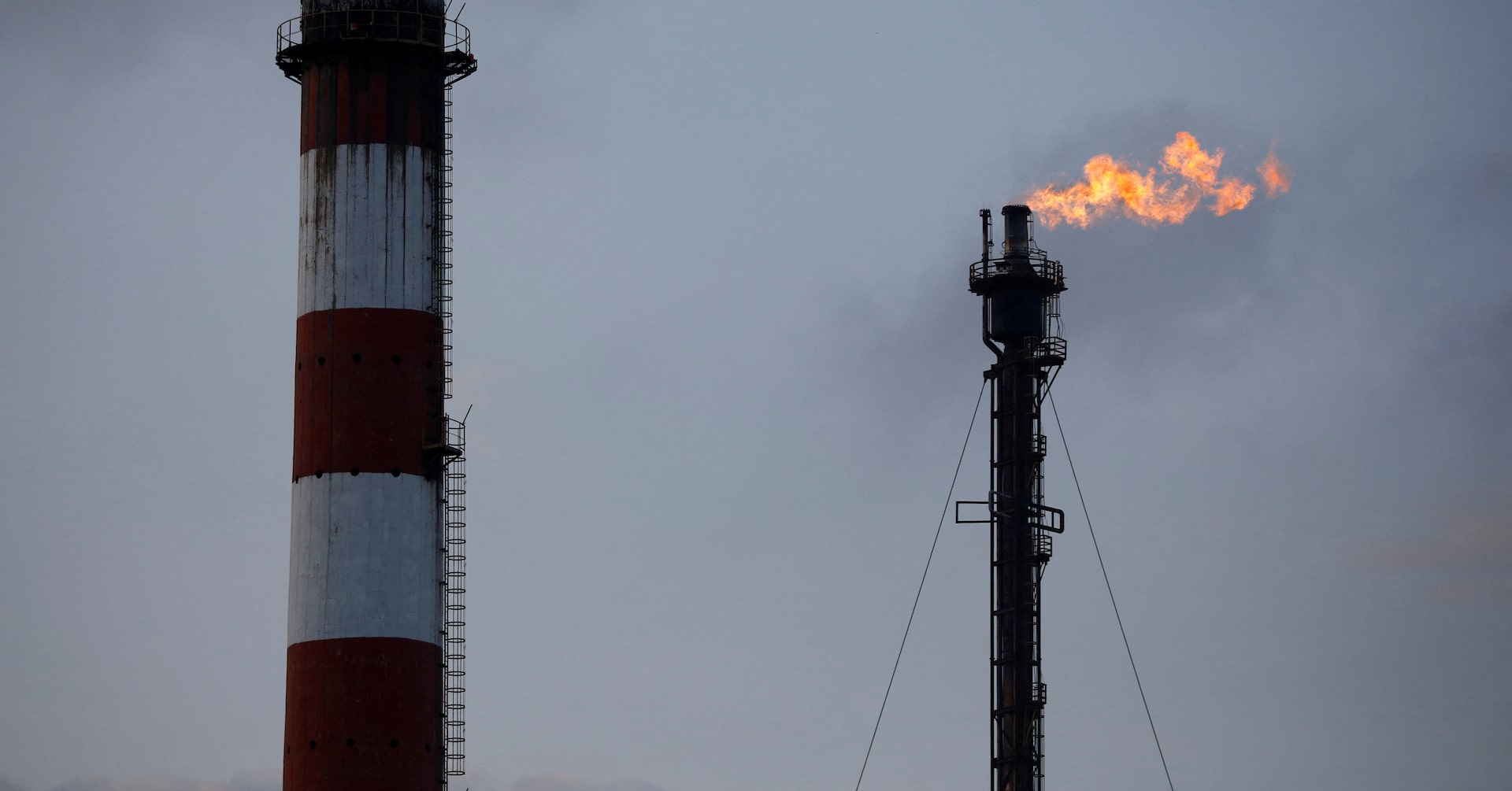
Oil Prices Expected to Surge Amid U.S.-Iran Conflict Fears


- Price Predictions: Market participants anticipate U.S. crude oil prices could rise to $73 per barrel from the current $67.02, reflecting a 17% increase year-to-date due to fears surrounding the Iran conflict.
- Brent Crude Outlook: Brent crude futures closed at $73.21 on Friday, up 20% this year, with expectations of a potential $20 surge at market open, indicating strong market reactions to supply disruption fears.
- Strait of Hormuz Impact: The Strait of Hormuz, a critical oil transport route, saw an average of 14 million barrels per day in 2025; any escalation in conflict could lead to a complete halt in tanker traffic, significantly affecting global oil supply.
- Analyst Insights: Barclays analysts predict Brent crude could hit $100 per barrel at market open, highlighting the market's acute sensitivity to potential supply disruptions and the significant uncertainty surrounding the situation's resolution.

Analysis of XLE ETF Trading Dynamics

- Price Fluctuation Analysis: The XLE ETF's 52-week low is $37.245 per share, with a high of $55.93, and the latest trade at $55.15 indicates stability near its peak, potentially attracting investor interest in its technical performance.
- Technical Analysis Tool: Comparing the latest share price to the 200-day moving average provides investors with valuable insights for technical analysis, aiding in market trend assessment and potential buy or sell timing.
- ETF Unit Trading Mechanism: ETFs trade similarly to stocks, where investors are buying and selling 'units' that can be created or destroyed based on investor demand, impacting the ETF's liquidity and market performance.
- Inflows and Outflows Monitoring: Weekly monitoring of changes in shares outstanding helps track notable inflows (new units created) or outflows (old units destroyed), as these liquidity shifts can influence the price movements of the ETF's underlying components.
Mixed Close for US Stocks Amid Iran War Impact
- Mixed Market Performance: On Monday, the S&P 500 closed up 0.04%, while the Dow Jones Industrial Average fell 0.15%, and the Nasdaq 100 rose 0.13%, reflecting a divergence in market sentiment influenced by the ongoing war in Iran, with increased demand for defense and energy stocks.
- Surge in Oil Prices: WTI crude oil prices soared over 6% to an 8.25-month high following Iran's attack on oil tankers, which is expected to elevate inflation expectations and impact the overall economic environment and investor confidence.
- Strong Manufacturing Index: The US February ISM manufacturing index unexpectedly rose to 52.4, surpassing the market expectation of 51.5, indicating economic resilience that could influence the Federal Reserve's monetary policy direction, leading to shifts in future rate hike expectations.
- Optimistic Earnings Outlook: More than 90% of S&P 500 companies have reported earnings, with 73% exceeding expectations, and Q4 earnings growth is projected at 8.4%, providing market support despite geopolitical risks.
Iran War Drives Market Volatility and Sector Performance
- Market Reaction: Stocks initially retreated following the US and Israel's joint military actions against Iran, but rebounded after the February ISM manufacturing index exceeded expectations, indicating investor focus on economic data.
- Surge in Energy Prices: The halt of tanker traffic through the Strait of Hormuz due to Iran's attacks on three oil tankers led to WTI crude oil prices soaring over 65% to an 8.25-month high, potentially exacerbating global inflationary pressures.
- Defense Stocks Rise: The ongoing conflict in Iran has bolstered earnings prospects for defense companies, with Aerovironment's stock rising over 12%, while Northrop Grumman and RTX Corp also saw increases of over 4%, reflecting market optimism about defense spending.
- Economic Data Focus: Investors are keenly awaiting upcoming economic data releases, including ADP employment changes and the ISM services index, which are expected to influence future monetary policy directions amid rising inflation concerns.
Oil Prices Surge Amid Iran Conflict Fears
- Oil Price Surge: Following the U.S. and Israel's attacks on Iran, oil prices spiked by 6% on Monday morning, which could lead to a corresponding rise in gasoline prices, with experts warning that a prolonged conflict may disrupt crude oil supplies and push prices even higher.
- Gasoline Price Impact: The average price of unleaded gasoline in the U.S. is currently $2.997 per gallon, up 2% from last week, and if oil prices rise by $10 a barrel, gasoline prices could increase by about 25 cents, directly affecting consumer spending.
- Strait of Hormuz Risks: The Strait of Hormuz is considered a key oil transport corridor, and analysts warn that prolonged supply disruptions in this region could push oil prices above $100 per barrel, further exacerbating market uncertainties.
- Increased Consumer Pressure: The rise in gasoline prices places additional pressure on consumer budgets, particularly for low-income households that allocate a larger share of their budget to fuel, potentially impacting their willingness to spend and negatively affecting the overall economy.
US Stocks Decline Amid Iran War Escalation
- Market Retreat: The S&P 500 index fell by 0.69% and the Nasdaq 100 by 0.65%, both hitting 1.5-week lows, indicating a heightened risk-off sentiment among investors due to the escalating conflict in Iran, which may lead to a reassessment of risk asset allocations.
- Oil Price Surge: WTI crude oil prices soared over 8% to an 8.25-month high as tanker traffic through the Strait of Hormuz largely halted, raising inflation expectations and potentially impacting overall economic growth forecasts.
- Airline Stocks Under Pressure: Airline stocks faced declines, with American Airlines down over 5% and Delta Air Lines down more than 2%, reflecting the negative impact of rising oil prices on profit outlooks in the aviation sector.
- Defense Stocks Rise: Defense stocks like Aerovironment surged over 15% amid expectations of increased defense spending due to the Iran war, indicating a potential boost in earnings prospects for companies in this sector.
Oil Prices Expected to Surge Amid U.S.-Iran Conflict Fears
- Price Predictions: Market participants anticipate U.S. crude oil prices could rise to $73 per barrel from the current $67.02, reflecting a 17% increase year-to-date due to fears surrounding the Iran conflict.
- Brent Crude Outlook: Brent crude futures closed at $73.21 on Friday, up 20% this year, with expectations of a potential $20 surge at market open, indicating strong market reactions to supply disruption fears.
- Strait of Hormuz Impact: The Strait of Hormuz, a critical oil transport route, saw an average of 14 million barrels per day in 2025; any escalation in conflict could lead to a complete halt in tanker traffic, significantly affecting global oil supply.
- Analyst Insights: Barclays analysts predict Brent crude could hit $100 per barrel at market open, highlighting the market's acute sensitivity to potential supply disruptions and the significant uncertainty surrounding the situation's resolution.
Analysis of XLE ETF Trading Dynamics
- Price Fluctuation Analysis: The XLE ETF's 52-week low is $37.245 per share, with a high of $55.93, and the latest trade at $55.15 indicates stability near its peak, potentially attracting investor interest in its technical performance.
- Technical Analysis Tool: Comparing the latest share price to the 200-day moving average provides investors with valuable insights for technical analysis, aiding in market trend assessment and potential buy or sell timing.
- ETF Unit Trading Mechanism: ETFs trade similarly to stocks, where investors are buying and selling 'units' that can be created or destroyed based on investor demand, impacting the ETF's liquidity and market performance.
- Inflows and Outflows Monitoring: Weekly monitoring of changes in shares outstanding helps track notable inflows (new units created) or outflows (old units destroyed), as these liquidity shifts can influence the price movements of the ETF's underlying components.