Copper Reaches Record Levels as Trade Deal Optimism Raises Supply Concerns


Copper Price Surge: Copper prices reached a new record of over $11,140 per ton, driven by optimism surrounding a potential U.S.-China trade deal and concerns about supply tightness in global markets.
Supply Challenges: Internal factors such as production setbacks at major mines and a significant drop in output from Codelco and Glencore have highlighted the fragility of copper supply, contributing to the bullish market sentiment.
Trade Dynamics: The copper market has experienced volatility due to trade tensions, including stockpiling in anticipation of tariffs, but recent positive sentiment has emerged with the possibility of a trade deal between the U.S. and China.
Investment Trends: While Codelco is considering prioritizing profit over production, CMOC Group is expanding its operations in the Democratic Republic of Congo, indicating differing strategies within the industry amidst ongoing supply challenges.
Trade with 70% Backtested Accuracy
Analyst Views on FCX

About FCX
About the author


Freeport-McMoRan's Bullish Outlook Amid Copper Price Surge
- Copper Price Surge: As of February 23, Freeport-McMoRan (FCX) shares traded at $65.55, climbing 8% due to rising copper prices, reflecting market optimism about its growth prospects.
- Supply-Demand Imbalance: Analysts project that copper deficits could reach 10 million tons annually starting in 2026, positioning FCX, as the world's largest pure-play copper producer, to benefit significantly from this structural shortage over the next decade.
- Low-Cost Production: FCX's new U.S. leaching operations are set to come online just as the copper shortage intensifies, allowing the company to expand production while competitors face declining ore grades and rising costs, enhancing its profitability.
- Investment Appeal: With copper prices already above $13,000 per ton, FCX stands out as a prime investment opportunity to capture both near-term gains and long-term growth amid the global copper bull market, driven by tightening supply and increasing demand.
Closure of Strait of Hormuz Triggers Global Energy Market Shock

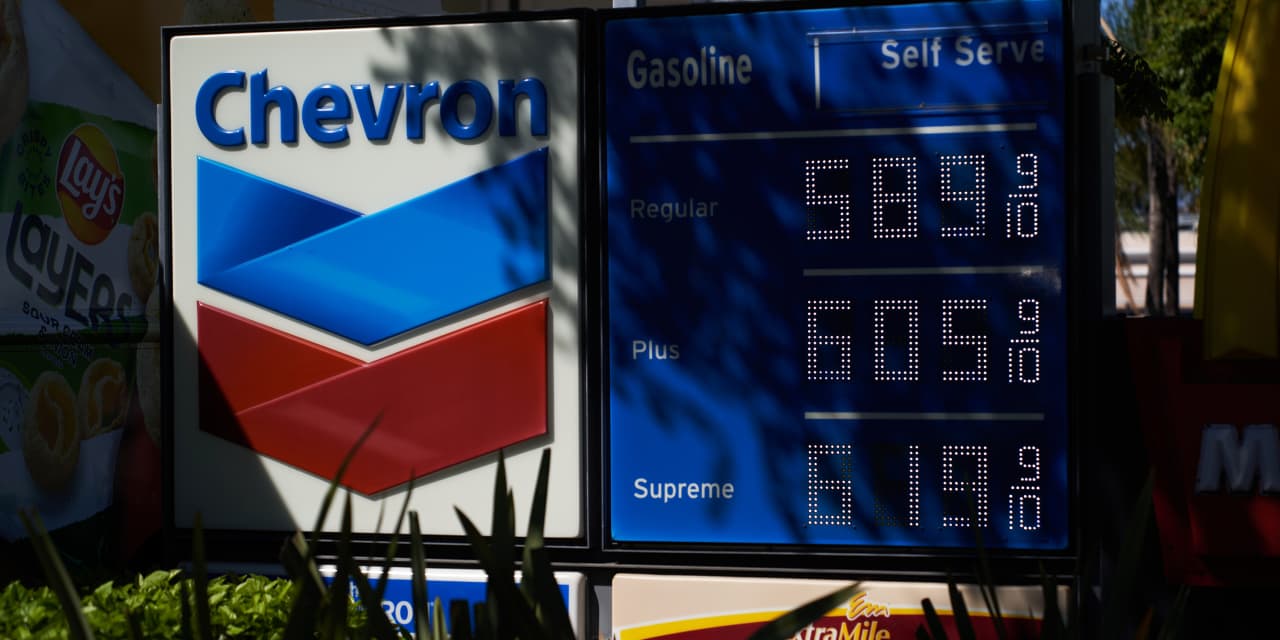
- Energy Supply Disruption: The Iranian Revolutionary Guard's announcement of the closure of the Strait of Hormuz sends shockwaves through global energy markets, with approximately 13 million barrels per day of oil transport affected in 2025, potentially pushing oil prices above $100 per barrel and placing immense pressure on import-dependent Asian countries.
- LNG Supply Risks: About 20% of global liquefied natural gas exports are at risk, particularly from Qatar, which halted production following Iranian drone strikes, potentially leading to severe energy shortages for South Asian countries like Pakistan and Bangladesh.
- Vulnerability in Asia: Countries like India and Thailand are highly dependent on rising oil prices, with over half of India's LNG imports linked to the Gulf; thus, a blockade of the Strait of Hormuz would simultaneously increase oil and gas import costs, resulting in a dual economic shock.
- China's Resilience: While China is the world's largest crude oil importer and 40% of its oil imports pass through the Strait, its stockpiles and alternative supplies provide some buffer; however, a prolonged closure would intensify price competition across Asia.
China and Russia's Limited Response to Iran Crisis

- Condemnation of US-Israel Strikes: Chinese Foreign Minister Wang Yi and Russian Deputy Foreign Minister Sergey Ryabkov condemned the US and Israeli attacks on Iran, labeling them as violations of international law, yet refrained from committing military support, highlighting the strategic limitations of their partnership regarding Iran.
- China's Priority on US Relations: Analysts suggest that while China condemns the US actions, it prioritizes maintaining relations with the US, with expectations for a high-level meeting between President Trump and President Xi to proceed, potentially seeking concessions on issues like trade and Taiwan in exchange for a softer stance on Iran.
- Russia's Strategic Concerns: Despite condemning the attacks, Russia's capacity to influence the Middle East is waning due to its ongoing war in Ukraine, making Iran's stability crucial for Moscow to avoid losing another regional ally, following Syria's regime change.
- Impact on Oil Prices: Fears of a major global supply disruption due to the Iran conflict led to an over 8% rise in oil prices, prompting OPEC+ countries to announce an increase in production by 206,000 barrels per day, which benefits Russia but also indicates market sensitivity to geopolitical tensions.

Gold and Silver Prices Rise Due to Iran Conflict

- Market Reaction: Precious metals prices increased early Monday.
- Investor Sentiment: The rise in prices is attributed to investor responses to ongoing conflict in the Middle East.

Gold Soars Above $5,300 Amid Intensifying Middle East Conflict
- Gold Market Reaction: Gold prices increased on Monday as investors reacted to escalating conflict in the Middle East.
- Analysts' Caution: Experts warn that investing in gold based on this surge may not be beneficial if the conflict does not significantly impact energy markets.

Wall Street Revives Heavy Asset Investment Strategy


- HALO Investment Concept: Investors on Wall Street are increasingly favoring companies with heavy assets like grids, pipelines, and heavy machinery, believing they are less likely to be replaced by AI; Josh Brown noted that these stocks have performed well this year, facing risks but potentially benefiting from AI advancements.
- Sector Performance Comparison: The energy and materials sectors have surged over 23% and 15%, respectively, while consumer staples have rallied over 14%, contrasting sharply with the S&P 500's slight gains, highlighting the robust performance of heavy asset industries against struggling tech stocks.
- Market Response and Strategy: A report from Barclays' trading desk indicated that HALO stocks have benefited from a
Freeport-McMoRan's Bullish Outlook Amid Copper Price Surge
- Copper Price Surge: As of February 23, Freeport-McMoRan (FCX) shares traded at $65.55, climbing 8% due to rising copper prices, reflecting market optimism about its growth prospects.
- Supply-Demand Imbalance: Analysts project that copper deficits could reach 10 million tons annually starting in 2026, positioning FCX, as the world's largest pure-play copper producer, to benefit significantly from this structural shortage over the next decade.
- Low-Cost Production: FCX's new U.S. leaching operations are set to come online just as the copper shortage intensifies, allowing the company to expand production while competitors face declining ore grades and rising costs, enhancing its profitability.
- Investment Appeal: With copper prices already above $13,000 per ton, FCX stands out as a prime investment opportunity to capture both near-term gains and long-term growth amid the global copper bull market, driven by tightening supply and increasing demand.
Closure of Strait of Hormuz Triggers Global Energy Market Shock
- Energy Supply Disruption: The Iranian Revolutionary Guard's announcement of the closure of the Strait of Hormuz sends shockwaves through global energy markets, with approximately 13 million barrels per day of oil transport affected in 2025, potentially pushing oil prices above $100 per barrel and placing immense pressure on import-dependent Asian countries.
- LNG Supply Risks: About 20% of global liquefied natural gas exports are at risk, particularly from Qatar, which halted production following Iranian drone strikes, potentially leading to severe energy shortages for South Asian countries like Pakistan and Bangladesh.
- Vulnerability in Asia: Countries like India and Thailand are highly dependent on rising oil prices, with over half of India's LNG imports linked to the Gulf; thus, a blockade of the Strait of Hormuz would simultaneously increase oil and gas import costs, resulting in a dual economic shock.
- China's Resilience: While China is the world's largest crude oil importer and 40% of its oil imports pass through the Strait, its stockpiles and alternative supplies provide some buffer; however, a prolonged closure would intensify price competition across Asia.
China and Russia's Limited Response to Iran Crisis
- Condemnation of US-Israel Strikes: Chinese Foreign Minister Wang Yi and Russian Deputy Foreign Minister Sergey Ryabkov condemned the US and Israeli attacks on Iran, labeling them as violations of international law, yet refrained from committing military support, highlighting the strategic limitations of their partnership regarding Iran.
- China's Priority on US Relations: Analysts suggest that while China condemns the US actions, it prioritizes maintaining relations with the US, with expectations for a high-level meeting between President Trump and President Xi to proceed, potentially seeking concessions on issues like trade and Taiwan in exchange for a softer stance on Iran.
- Russia's Strategic Concerns: Despite condemning the attacks, Russia's capacity to influence the Middle East is waning due to its ongoing war in Ukraine, making Iran's stability crucial for Moscow to avoid losing another regional ally, following Syria's regime change.
- Impact on Oil Prices: Fears of a major global supply disruption due to the Iran conflict led to an over 8% rise in oil prices, prompting OPEC+ countries to announce an increase in production by 206,000 barrels per day, which benefits Russia but also indicates market sensitivity to geopolitical tensions.
Gold and Silver Prices Rise Due to Iran Conflict
- Market Reaction: Precious metals prices increased early Monday.
- Investor Sentiment: The rise in prices is attributed to investor responses to ongoing conflict in the Middle East.
Gold Soars Above $5,300 Amid Intensifying Middle East Conflict
- Gold Market Reaction: Gold prices increased on Monday as investors reacted to escalating conflict in the Middle East.
- Analysts' Caution: Experts warn that investing in gold based on this surge may not be beneficial if the conflict does not significantly impact energy markets.
Wall Street Revives Heavy Asset Investment Strategy
- HALO Investment Concept: Investors on Wall Street are increasingly favoring companies with heavy assets like grids, pipelines, and heavy machinery, believing they are less likely to be replaced by AI; Josh Brown noted that these stocks have performed well this year, facing risks but potentially benefiting from AI advancements.
- Sector Performance Comparison: The energy and materials sectors have surged over 23% and 15%, respectively, while consumer staples have rallied over 14%, contrasting sharply with the S&P 500's slight gains, highlighting the robust performance of heavy asset industries against struggling tech stocks.
- Market Response and Strategy: A report from Barclays' trading desk indicated that HALO stocks have benefited from a