Copper Demand Surge: Investors Bullish on Future
Written by Emily J. Thompson, Senior Investment Analyst
Updated: Jan 26 2026
0mins

Should l Buy FCX?
Source: Benzinga
- Surge in Demand: The demand for copper is being driven by electric vehicles, AI data centers, grid upgrades, and renewables, with a projected need to mine as much copper in the next 18 years as in the last 10,000 years, reaching 30 million tonnes annually, indicating a structural bull case for the copper market.
- Investor Confidence: Billionaire investors like Stanley Druckenmiller and Chamath Palihapitiya assert that copper shortages are inevitable, with electrification expected to cause prices to go 'parabolic', prompting investors to position themselves through mining companies and ETFs.
- Supply Challenges: New mines require 10 to 20 years to permit and build, while ore grades are declining and capital expenditures have lagged over the past decade, creating a severe supply-demand imbalance that cannot keep pace with rising demand.
- Structural Pricing: The consensus among Druckenmiller, Palihapitiya, and Friedland indicates that the copper market is not merely a cyclical trade but is facing a structural repricing trend, urging investors to focus on long-term investment opportunities.
Trade with 70% Backtested Accuracy
Stop guessing "Should I Buy FCX?" and start using high-conviction signals backed by rigorous historical data.
Sign up today to access powerful investing tools and make smarter, data-driven decisions.
Analyst Views on FCX
Wall Street analysts forecast FCX stock price to fall
15 Analyst Rating
13 Buy
2 Hold
0 Sell
Strong Buy
Current: 68.290

Low
46.00
Averages
58.79
High
70.00
Current: 68.290
Low
46.00
Averages
58.79
High
70.00
About FCX
Freeport-McMoRan Inc. is an international metals company focused on copper. The Company operates geographically diverse assets with significant proven and probable mineral reserves of copper, gold and molybdenum. The Company's segments include the Morenci and Cerro Verde copper mines, the Indonesia operations (including the Grasberg minerals district and PT-FI’s downstream processing facilities), the Rod & Refining operations and Atlantic Copper Smelting & Refining. Its operations include North America, South America and Indonesia. In North America, it manages seven copper operations: Morenci, Bagdad, Safford (including Lone Star), Sierrita and Miami in Arizona, and Chino and Tyrone in New Mexico, and two molybdenum mines: Henderson and Climax in Colorado. It also operates a copper smelter in Miami, Arizona. In South America, it manages two copper operations: Cerro Verde in Peru and El Abra in Chile. In addition to copper, the Grasberg minerals district also produces gold and silver.
About the author

Emily J. Thompson
Emily J. Thompson, a Chartered Financial Analyst (CFA) with 12 years in investment research, graduated with honors from the Wharton School. Specializing in industrial and technology stocks, she provides in-depth analysis for Intellectia’s earnings and market brief reports.

Global Stock Markets Plunge as Oil Prices Surge Amid Iran Conflict


- Stock Market Decline: The S&P 500 index fell by 2.18%, reaching a 3.25-month low, indicating market concerns over the Iran conflict that may lead to decreased investor confidence and increased volatility.
- Surge in Oil Prices: WTI crude oil prices rose over 8% to an 8.5-month high due to Iran's threats to close the Strait of Hormuz, potentially causing long-term disruptions in global energy markets and raising inflation expectations.
- Rising Bond Yields: The 10-year German bund yield climbed to a 2.5-week high of 2.814%, reflecting market worries about future inflation, which may prompt investors to shift towards bonds for safety.
- Economic Data Focus: This week, the market will focus on U.S. employment data and economic indicators, with the ADP employment change expected to rise by 40,000 and the ISM services index anticipated to slip slightly, indicating potential economic slowdown.
See More

Freeport McMoRan Shares Decline Amid Iran Conflict's Impact on Commodities


- Stock Performance: Freeport McMoRan's stock experienced a significant decline on Tuesday, reflecting a broader downturn in the metals and mining sector.
- Market Context: The drop in stock prices was linked to a risk-off trading sentiment due to escalating U.S. military actions in Iran, which negatively impacted commodity prices.
See More
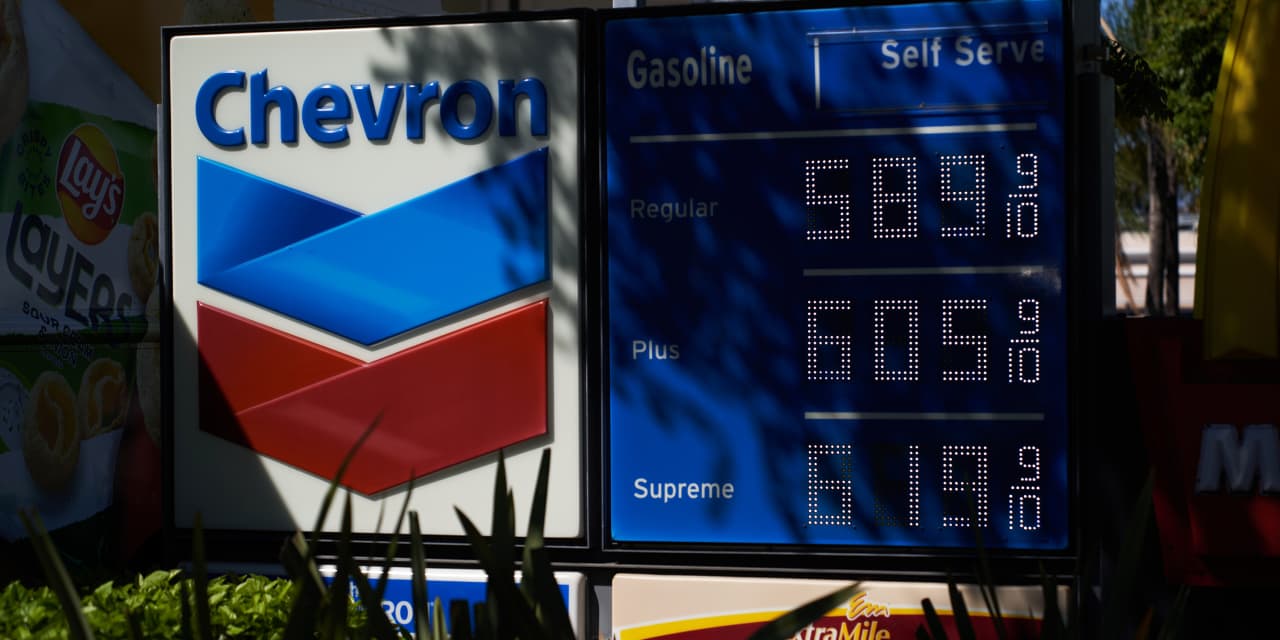
Closure of Strait of Hormuz Triggers Global Energy Market Shock

- Energy Supply Disruption: The Iranian Revolutionary Guard's announcement of the closure of the Strait of Hormuz sends shockwaves through global energy markets, with approximately 13 million barrels per day of oil transport affected in 2025, potentially pushing oil prices above $100 per barrel and placing immense pressure on import-dependent Asian countries.
- LNG Supply Risks: About 20% of global liquefied natural gas exports are at risk, particularly from Qatar, which halted production following Iranian drone strikes, potentially leading to severe energy shortages for South Asian countries like Pakistan and Bangladesh.
- Vulnerability in Asia: Countries like India and Thailand are highly dependent on rising oil prices, with over half of India's LNG imports linked to the Gulf; thus, a blockade of the Strait of Hormuz would simultaneously increase oil and gas import costs, resulting in a dual economic shock.
- China's Resilience: While China is the world's largest crude oil importer and 40% of its oil imports pass through the Strait, its stockpiles and alternative supplies provide some buffer; however, a prolonged closure would intensify price competition across Asia.
See More

China and Russia's Limited Response to Iran Crisis

- Condemnation of US-Israel Strikes: Chinese Foreign Minister Wang Yi and Russian Deputy Foreign Minister Sergey Ryabkov condemned the US and Israeli attacks on Iran, labeling them as violations of international law, yet refrained from committing military support, highlighting the strategic limitations of their partnership regarding Iran.
- China's Priority on US Relations: Analysts suggest that while China condemns the US actions, it prioritizes maintaining relations with the US, with expectations for a high-level meeting between President Trump and President Xi to proceed, potentially seeking concessions on issues like trade and Taiwan in exchange for a softer stance on Iran.
- Russia's Strategic Concerns: Despite condemning the attacks, Russia's capacity to influence the Middle East is waning due to its ongoing war in Ukraine, making Iran's stability crucial for Moscow to avoid losing another regional ally, following Syria's regime change.
- Impact on Oil Prices: Fears of a major global supply disruption due to the Iran conflict led to an over 8% rise in oil prices, prompting OPEC+ countries to announce an increase in production by 206,000 barrels per day, which benefits Russia but also indicates market sensitivity to geopolitical tensions.
See More

Gold and Silver Prices Rise Due to Iran Conflict

- Market Reaction: Precious metals prices increased early Monday.
- Investor Sentiment: The rise in prices is attributed to investor responses to ongoing conflict in the Middle East.
See More

Gold Soars Above $5,300 Amid Intensifying Middle East Conflict
- Gold Market Reaction: Gold prices increased on Monday as investors reacted to escalating conflict in the Middle East.
- Analysts' Caution: Experts warn that investing in gold based on this surge may not be beneficial if the conflict does not significantly impact energy markets.
See More
Global Stock Markets Plunge as Oil Prices Surge Amid Iran Conflict
- Stock Market Decline: The S&P 500 index fell by 2.18%, reaching a 3.25-month low, indicating market concerns over the Iran conflict that may lead to decreased investor confidence and increased volatility.
- Surge in Oil Prices: WTI crude oil prices rose over 8% to an 8.5-month high due to Iran's threats to close the Strait of Hormuz, potentially causing long-term disruptions in global energy markets and raising inflation expectations.
- Rising Bond Yields: The 10-year German bund yield climbed to a 2.5-week high of 2.814%, reflecting market worries about future inflation, which may prompt investors to shift towards bonds for safety.
- Economic Data Focus: This week, the market will focus on U.S. employment data and economic indicators, with the ADP employment change expected to rise by 40,000 and the ISM services index anticipated to slip slightly, indicating potential economic slowdown.
See More
Freeport McMoRan Shares Decline Amid Iran Conflict's Impact on Commodities
- Stock Performance: Freeport McMoRan's stock experienced a significant decline on Tuesday, reflecting a broader downturn in the metals and mining sector.
- Market Context: The drop in stock prices was linked to a risk-off trading sentiment due to escalating U.S. military actions in Iran, which negatively impacted commodity prices.
See More
Closure of Strait of Hormuz Triggers Global Energy Market Shock
- Energy Supply Disruption: The Iranian Revolutionary Guard's announcement of the closure of the Strait of Hormuz sends shockwaves through global energy markets, with approximately 13 million barrels per day of oil transport affected in 2025, potentially pushing oil prices above $100 per barrel and placing immense pressure on import-dependent Asian countries.
- LNG Supply Risks: About 20% of global liquefied natural gas exports are at risk, particularly from Qatar, which halted production following Iranian drone strikes, potentially leading to severe energy shortages for South Asian countries like Pakistan and Bangladesh.
- Vulnerability in Asia: Countries like India and Thailand are highly dependent on rising oil prices, with over half of India's LNG imports linked to the Gulf; thus, a blockade of the Strait of Hormuz would simultaneously increase oil and gas import costs, resulting in a dual economic shock.
- China's Resilience: While China is the world's largest crude oil importer and 40% of its oil imports pass through the Strait, its stockpiles and alternative supplies provide some buffer; however, a prolonged closure would intensify price competition across Asia.
See More
China and Russia's Limited Response to Iran Crisis
- Condemnation of US-Israel Strikes: Chinese Foreign Minister Wang Yi and Russian Deputy Foreign Minister Sergey Ryabkov condemned the US and Israeli attacks on Iran, labeling them as violations of international law, yet refrained from committing military support, highlighting the strategic limitations of their partnership regarding Iran.
- China's Priority on US Relations: Analysts suggest that while China condemns the US actions, it prioritizes maintaining relations with the US, with expectations for a high-level meeting between President Trump and President Xi to proceed, potentially seeking concessions on issues like trade and Taiwan in exchange for a softer stance on Iran.
- Russia's Strategic Concerns: Despite condemning the attacks, Russia's capacity to influence the Middle East is waning due to its ongoing war in Ukraine, making Iran's stability crucial for Moscow to avoid losing another regional ally, following Syria's regime change.
- Impact on Oil Prices: Fears of a major global supply disruption due to the Iran conflict led to an over 8% rise in oil prices, prompting OPEC+ countries to announce an increase in production by 206,000 barrels per day, which benefits Russia but also indicates market sensitivity to geopolitical tensions.
See More
Gold and Silver Prices Rise Due to Iran Conflict
- Market Reaction: Precious metals prices increased early Monday.
- Investor Sentiment: The rise in prices is attributed to investor responses to ongoing conflict in the Middle East.
See More
Gold Soars Above $5,300 Amid Intensifying Middle East Conflict
- Gold Market Reaction: Gold prices increased on Monday as investors reacted to escalating conflict in the Middle East.
- Analysts' Caution: Experts warn that investing in gold based on this surge may not be beneficial if the conflict does not significantly impact energy markets.
See More