Rivian Automotive Agrees to $250 Million Settlement in Securities Class Action Lawsuit
Written by Emily J. Thompson, Senior Investment Analyst
Updated: Oct 24 2025
0mins
Should l Buy RIVN?
Source: NASDAQ.COM
Settlement Agreement: Rivian Automotive Inc. has reached a settlement for the 2022 securities class action litigation, Crews v. Rivian Automotive, Inc., pending in California's federal court.
Denial of Wrongdoing: While Rivian denies the allegations, the company believes settling will allow it to focus on strategic priorities, including the launch of its R2 vehicle in 2026.
Financial Terms: The proposed settlement involves a payment of $250 million to resolve claims from Class A common stock purchasers between November 2021 and March 2022, pending court approval.
Funding Sources: The settlement payment will be covered by $67 million from liability insurance and $183 million from Rivian's cash reserves.
Trade with 70% Backtested Accuracy
Stop guessing "Should I Buy RIVN?" and start using high-conviction signals backed by rigorous historical data.
Sign up today to access powerful investing tools and make smarter, data-driven decisions.
Analyst Views on RIVN
Wall Street analysts forecast RIVN stock price to rise
18 Analyst Rating
8 Buy
7 Hold
3 Sell
Moderate Buy
Current: 15.100

Low
10.00
Averages
17.78
High
25.00
Current: 15.100
Low
10.00
Averages
17.78
High
25.00
About RIVN
Rivian Automotive, Inc. is an automotive manufacturer, which is engaged in developing and building category-defining electric vehicles (EVs) and accessories, as well as software and services that address the entire lifecycle of the vehicle. The Company’s R1 platform consists of two vehicles: the R1T, a two-row five-passenger pickup truck, and the R1S, a three-row seven-passenger sport utility vehicle (SUV). In the commercial market, the Company offers a Rivian Commercial Vehicle (RCV) platform. The vehicle on this platform is the Electric Delivery Van (EDV), designed and engineered by Rivian in collaboration with Amazon. The Company also offers FleetOS, its proprietary, end-to-end centralized fleet management subscription platform. It also offers a variety of services, including vehicle repair and maintenance, financing, insurance, software subscriptions and FleetOS solutions. Its value-added services include vehicle electrical architecture and software development services, and more.
About the author

Emily J. Thompson
Emily J. Thompson, a Chartered Financial Analyst (CFA) with 12 years in investment research, graduated with honors from the Wharton School. Specializing in industrial and technology stocks, she provides in-depth analysis for Intellectia’s earnings and market brief reports.

Rivian Automotive: A Hidden AI Investment Opportunity

- AI Technology Development: Rivian plans to manufacture its own AI chips to reduce reliance on external vendors, addressing the shortage of next-gen chips due to demand outpacing supply, thereby enhancing its competitiveness in the autonomous driving sector.
- Voice Interface Innovation: Rivian will introduce a highly conversational AI voice interface in its R1 and R2 models, expected to enhance user experience and drive sales growth, further solidifying its position in the electric vehicle market.
- Autonomous Driving Goals: The company aims to enable universal hands-free driving on over 3.5 million miles of North American roads by the end of 2026, marking a significant step in its autonomous driving technology, despite fierce competition from other EV manufacturers and tech giants.
- Valuation Attractiveness: Rivian's current price-to-sales ratio stands at just 3.4, significantly lower than Nvidia's 25 and Tesla's 15, making it an appealing option for potential AI investments, especially for diversified investors seeking maximum growth potential.
See More

Rivian: The Intersection of EVs and AI Potential

- In-House AI Chip Production: Rivian plans to manufacture its own AI chips to reduce reliance on external suppliers, addressing current chip shortages and enhancing its competitiveness in self-driving technology development.
- Voice Interface Innovation: The company will introduce a highly conversational AI voice interface in its R1 and R2 models, which is expected to improve user experience and strengthen brand appeal, helping Rivian stand out in the competitive EV market.
- Full Autonomy Goal: Rivian aims for full Level 5 autonomy, with plans to enable hands-free driving on over 3.5 million miles of North American roads by the end of 2026, significantly boosting its product competitiveness.
- Valuation Advantage: Despite facing fierce competition in AI and autonomy, Rivian's current sales valuation stands at just 3.4 times, compared to Nvidia's 25 times and Tesla's 15 times, highlighting its attractiveness as a potential AI investment.
See More

Polymarket May Go Public in 2026 Amid Prediction Market Boom


- Prediction Market Surge: With prediction markets currently in high demand, Polymarket is contemplating an IPO in 2026 to capitalize on this trend, which could significantly enhance its funding and market presence if successful.
- Intensifying Competition: Companies like DraftKings and Robinhood are also expanding into prediction markets, indicating a growing competitive landscape, which necessitates Polymarket to carve out a unique position to maintain its competitive edge.
- Investor Caution: Despite the promising outlook for prediction markets, historical examples like Rivian and Lucid show that many companies experience significant stock price declines post-IPO, prompting investors to carefully weigh the potential risks and rewards of investing in Polymarket.
- Market Opportunity Window: Should Polymarket proceed with an IPO in 2026, it must act swiftly to avoid missing the current market enthusiasm; however, investors may prefer to wait until the hype subsides before considering an investment to mitigate risks.
See More
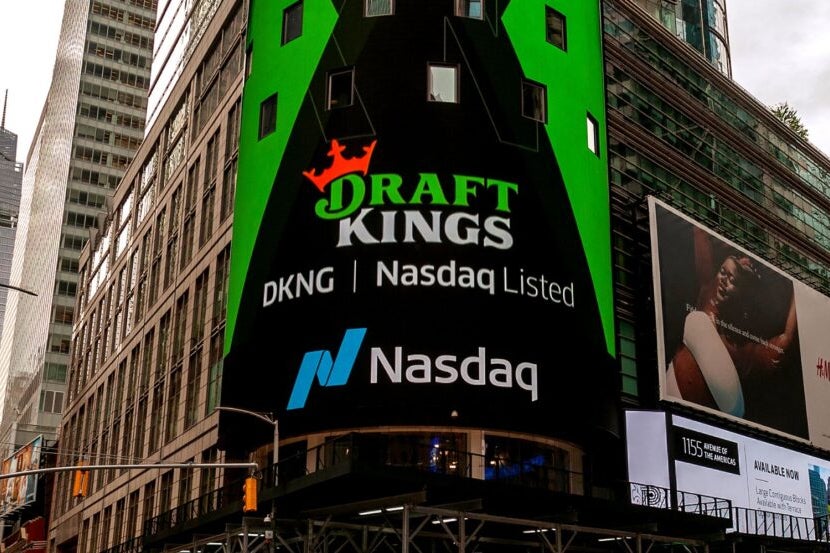
DraftKings Expands Sports Betting to Prediction Markets
- Market Heat Rising: DraftKings is expanding its sports betting business to include prediction markets, reflecting the growing investment enthusiasm in this sector, which could attract more users and enhance the company's market share and revenue potential.
- Robinhood's New Offering: Discount broker Robinhood is now offering prediction markets to its customers, a move that not only diversifies its product line but may also attract more young investors, thereby strengthening its competitive position in the fintech space.
- Polymarket IPO Outlook: The privately held Polymarket is expected to consider an IPO in 2026, and given the current heat in prediction markets, a timely listing could help it secure funding and boost market visibility; however, missing this opportunity could expose it to declining market interest.
- Investor Caution Advised: Despite the allure of prediction markets, historical trends indicate that many companies go public before they are truly ready, leading to stock price declines, thus investors should carefully evaluate Polymarket's potential IPO to avoid being misled by market hype.
See More
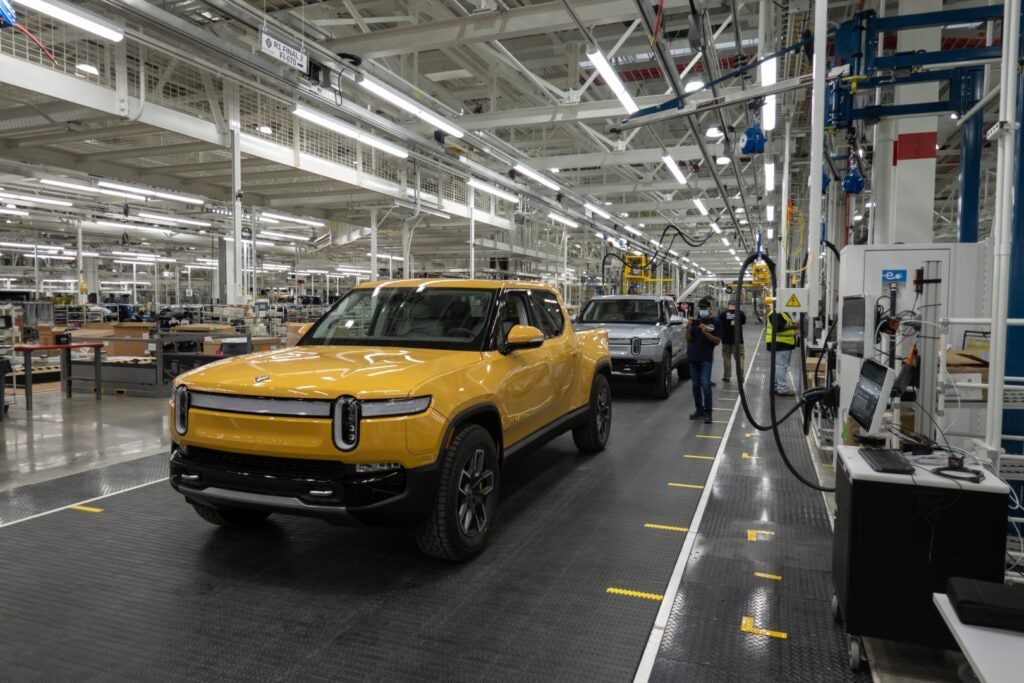
Rivian Automotive's Future Growth Potential Analysis
- Market Size Comparison: Tesla's market capitalization exceeds $1 trillion, while Rivian's stands at just $20 billion, highlighting Rivian's relative disadvantage in the EV market, necessitating new models and strategies to close the gap.
- Sales Growth Expectations: Rivian is projected to achieve sales growth of 30% in 2026 and 66% in 2027, marking a significant rebound after years of stagnation, indicating strong market anticipation for its new models.
- New Model Launch: The upcoming R2 model from Rivian is expected to be priced under $50,000, aligning with the budget of 70% of consumers, which will help boost sales and attract a broader customer base, enhancing market competitiveness.
- AI Investment Strategy: Rivian is aggressively investing in AI technology, planning to develop a proprietary AI chip and
See More
Rivian Stock Undervalued, Future Growth Potential Ahead

- Significant Valuation Gap: Rivian's price-to-sales ratio stands at just 2.9, starkly lower than Tesla's 15.8 and Lucid's 3.3, indicating that its stock is severely undervalued, although this valuation gap is largely justified by market conditions.
- Technological Investment Outlook: Rivian is actively investing in self-driving technology and artificial intelligence, and while it currently lags behind Tesla and major tech firms in financial capacity, its future technological advancements could enhance its competitive position.
- 2026 Growth Expectations: Rivian is expected to launch its first mass-market vehicle, the R2, in 2026, with analysts projecting a conservative 6% sales growth, which seems understated given Tesla's success with affordable models, suggesting Rivian could experience significant growth.
- Market Potential is Huge: With the R2's release, Rivian is poised to break its current growth stagnation, and the market is optimistic about its future growth potential, especially in the increasingly competitive electric vehicle landscape.
See More
Rivian Automotive: A Hidden AI Investment Opportunity
- AI Technology Development: Rivian plans to manufacture its own AI chips to reduce reliance on external vendors, addressing the shortage of next-gen chips due to demand outpacing supply, thereby enhancing its competitiveness in the autonomous driving sector.
- Voice Interface Innovation: Rivian will introduce a highly conversational AI voice interface in its R1 and R2 models, expected to enhance user experience and drive sales growth, further solidifying its position in the electric vehicle market.
- Autonomous Driving Goals: The company aims to enable universal hands-free driving on over 3.5 million miles of North American roads by the end of 2026, marking a significant step in its autonomous driving technology, despite fierce competition from other EV manufacturers and tech giants.
- Valuation Attractiveness: Rivian's current price-to-sales ratio stands at just 3.4, significantly lower than Nvidia's 25 and Tesla's 15, making it an appealing option for potential AI investments, especially for diversified investors seeking maximum growth potential.
See More
Rivian: The Intersection of EVs and AI Potential
- In-House AI Chip Production: Rivian plans to manufacture its own AI chips to reduce reliance on external suppliers, addressing current chip shortages and enhancing its competitiveness in self-driving technology development.
- Voice Interface Innovation: The company will introduce a highly conversational AI voice interface in its R1 and R2 models, which is expected to improve user experience and strengthen brand appeal, helping Rivian stand out in the competitive EV market.
- Full Autonomy Goal: Rivian aims for full Level 5 autonomy, with plans to enable hands-free driving on over 3.5 million miles of North American roads by the end of 2026, significantly boosting its product competitiveness.
- Valuation Advantage: Despite facing fierce competition in AI and autonomy, Rivian's current sales valuation stands at just 3.4 times, compared to Nvidia's 25 times and Tesla's 15 times, highlighting its attractiveness as a potential AI investment.
See More
Polymarket May Go Public in 2026 Amid Prediction Market Boom
- Prediction Market Surge: With prediction markets currently in high demand, Polymarket is contemplating an IPO in 2026 to capitalize on this trend, which could significantly enhance its funding and market presence if successful.
- Intensifying Competition: Companies like DraftKings and Robinhood are also expanding into prediction markets, indicating a growing competitive landscape, which necessitates Polymarket to carve out a unique position to maintain its competitive edge.
- Investor Caution: Despite the promising outlook for prediction markets, historical examples like Rivian and Lucid show that many companies experience significant stock price declines post-IPO, prompting investors to carefully weigh the potential risks and rewards of investing in Polymarket.
- Market Opportunity Window: Should Polymarket proceed with an IPO in 2026, it must act swiftly to avoid missing the current market enthusiasm; however, investors may prefer to wait until the hype subsides before considering an investment to mitigate risks.
See More
DraftKings Expands Sports Betting to Prediction Markets
- Market Heat Rising: DraftKings is expanding its sports betting business to include prediction markets, reflecting the growing investment enthusiasm in this sector, which could attract more users and enhance the company's market share and revenue potential.
- Robinhood's New Offering: Discount broker Robinhood is now offering prediction markets to its customers, a move that not only diversifies its product line but may also attract more young investors, thereby strengthening its competitive position in the fintech space.
- Polymarket IPO Outlook: The privately held Polymarket is expected to consider an IPO in 2026, and given the current heat in prediction markets, a timely listing could help it secure funding and boost market visibility; however, missing this opportunity could expose it to declining market interest.
- Investor Caution Advised: Despite the allure of prediction markets, historical trends indicate that many companies go public before they are truly ready, leading to stock price declines, thus investors should carefully evaluate Polymarket's potential IPO to avoid being misled by market hype.
See More
Rivian Automotive's Future Growth Potential Analysis
- Market Size Comparison: Tesla's market capitalization exceeds $1 trillion, while Rivian's stands at just $20 billion, highlighting Rivian's relative disadvantage in the EV market, necessitating new models and strategies to close the gap.
- Sales Growth Expectations: Rivian is projected to achieve sales growth of 30% in 2026 and 66% in 2027, marking a significant rebound after years of stagnation, indicating strong market anticipation for its new models.
- New Model Launch: The upcoming R2 model from Rivian is expected to be priced under $50,000, aligning with the budget of 70% of consumers, which will help boost sales and attract a broader customer base, enhancing market competitiveness.
- AI Investment Strategy: Rivian is aggressively investing in AI technology, planning to develop a proprietary AI chip and
See More
Rivian Stock Undervalued, Future Growth Potential Ahead
- Significant Valuation Gap: Rivian's price-to-sales ratio stands at just 2.9, starkly lower than Tesla's 15.8 and Lucid's 3.3, indicating that its stock is severely undervalued, although this valuation gap is largely justified by market conditions.
- Technological Investment Outlook: Rivian is actively investing in self-driving technology and artificial intelligence, and while it currently lags behind Tesla and major tech firms in financial capacity, its future technological advancements could enhance its competitive position.
- 2026 Growth Expectations: Rivian is expected to launch its first mass-market vehicle, the R2, in 2026, with analysts projecting a conservative 6% sales growth, which seems understated given Tesla's success with affordable models, suggesting Rivian could experience significant growth.
- Market Potential is Huge: With the R2's release, Rivian is poised to break its current growth stagnation, and the market is optimistic about its future growth potential, especially in the increasingly competitive electric vehicle landscape.
See More