Block CEO Layoffs Spark AI Impact Debate


- Massive Layoffs: Block CEO Jack Dorsey's announcement of cutting approximately 4,000 jobs, nearly half of the company's workforce, underscores a decisive shift in corporate structure as AI becomes increasingly central to operations, potentially impacting employee morale and company culture.
- Industry Trend Implications: Dorsey anticipates that within the next year, most companies will face similar structural changes, indicating a widespread trend in corporate transformation towards AI applications, which could lead to broader adjustments in the job market.
- Divergent Economist Views: While layoffs raise concerns about the employment landscape, economists argue that these are primarily company-specific adjustments rather than signals for the overall economy, emphasizing that the current unemployment rate remains healthy at 4.3%.
- Far-reaching AI Impact: As companies reconsider resource allocation, the widespread adoption of AI technology may disrupt jobs across various sectors, with tech jobs accounting for only 5% to 7% of the total workforce, yet increasing investments in capital spending could reshape future employment dynamics.
Trade with 70% Backtested Accuracy
Analyst Views on PYPL

About PYPL
About the author

Jamie Dimon: Crypto Firms Should Face Bank Regulations


- Regulatory Call: Jamie Dimon stated at a Miami conference that crypto firms paying interest on stablecoin balances should adhere to the same regulations as banks, a stance that could significantly impact compliance and operational models within the crypto industry.
- Industry Clash: The confrontation between Dimon and Coinbase CEO Brian Armstrong highlights the tension between crypto platforms and traditional banks, with Armstrong advocating for minimal oversight while Dimon warns that lack of regulation could harm the public.
- Legislative Stalemate: The CLARITY Act, a key piece of legislation from the Trump administration, failed to meet its March 1 deadline due to disputes over stablecoin yields, with Coinbase withdrawing support amid concerns over restrictions, leading to stalled negotiations between banks and crypto executives.
- Market Performance: Coinbase shares have plummeted over 50% from their July 2025 all-time high, with Q4 revenue falling 22% year-over-year to $1.78 billion, missing expectations, reflecting the volatility and uncertainty in the crypto market.

PayPal Faces Class Action Lawsuit Risks

- Class Action Notice: Robbins Geller Rudman & Dowd LLP announces that investors who purchased PayPal stock between February 25, 2025, and February 2, 2026, must apply by April 20, 2026, to be lead plaintiff in the class action lawsuit, highlighting investor concerns over potential legal risks facing the company.
- Allegations of Misleading Information: The lawsuit alleges that PayPal and its executives misled investors regarding financial projections, claiming that their growth plans fell short, which could undermine investor confidence and negatively impact stock performance.
- Declining Financial Performance: On February 3, 2026, PayPal reported disappointing financial results for fiscal year 2025, revealing poor performance in Branded Checkout and retracting its 2027 financial targets, leading to a stock price drop of over 20% post-announcement, reflecting market pessimism about the company's future.
- Legal Firm Background: Robbins Geller is a leading law firm in securities fraud and shareholder rights litigation, recovering over $916 million for investors in 2025, demonstrating its significant strength and influence in the securities class action landscape.
PayPal Class Action Reminder for Investors
- Class Action Notice: Rosen Law Firm reminds investors who purchased PayPal stock between February 25, 2025, and February 2, 2026, to apply as lead plaintiffs by April 20, 2026, to participate in the class action and seek compensation.
- Lawsuit Background: The lawsuit alleges that PayPal executives misled investors about the company's salesforce capabilities while promoting optimistic financial targets for 2027, resulting in investor losses when the truth emerged.
- Law Firm Credentials: Rosen Law Firm specializes in securities class actions and has recovered over $438 million for investors in 2019 alone, showcasing its success and resource advantages in handling such cases.
- Investor Action Advice: Investors can visit the Rosen Law Firm website or call the toll-free number for more information, emphasizing the importance of selecting qualified legal counsel to protect their rights and avoid inexperienced intermediaries.

SoFi CEO Anthony Noto Makes $1 Million Stock Purchase, His First Since 2024


- CEO Stock Purchase: SoFi Technologies' CEO Anthony Noto has bought company stock for the first time in over a year.
- Market Implications: This purchase may signal confidence in the company's future performance and could influence investor sentiment.
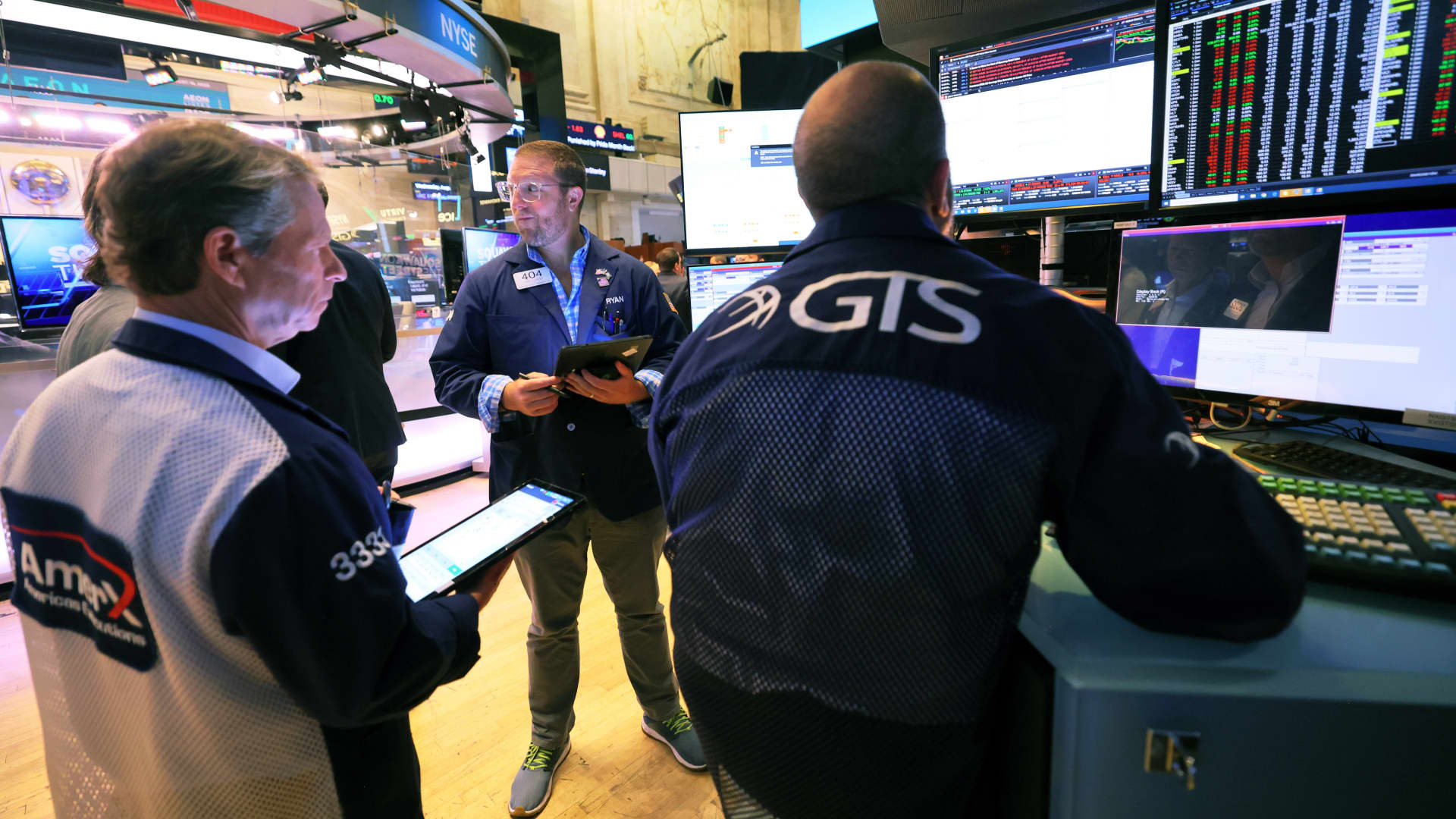
PayPal Faces Market Pressure and Analyst Downgrade
- Market Challenges: PayPal's shares declined on Tuesday as broader market pressures mounted, with the Nasdaq and S&P 500 falling 2.36% and 2.24% respectively, indicating that external factors are significantly impacting its stock performance.
- Analyst Downgrade: KGI Securities analyst Andrew Cheng downgraded PayPal from Outperform to Neutral with a price target of $55, reflecting a cautious outlook on the company's future performance amid market volatility.
- Innovative Partnership: PayPal is collaborating with TCS Blockchain to enhance financial solutions in the trucking industry, leveraging PayPal USD for settlements, which is expected to deliver substantial cost savings for transportation companies.
- Technical Analysis Signals: Currently, PayPal's stock is trading below both its 20-day and 100-day simple moving averages, indicating a bearish trend, with a 23% decline over the past year, reflecting market uncertainty regarding its future performance.
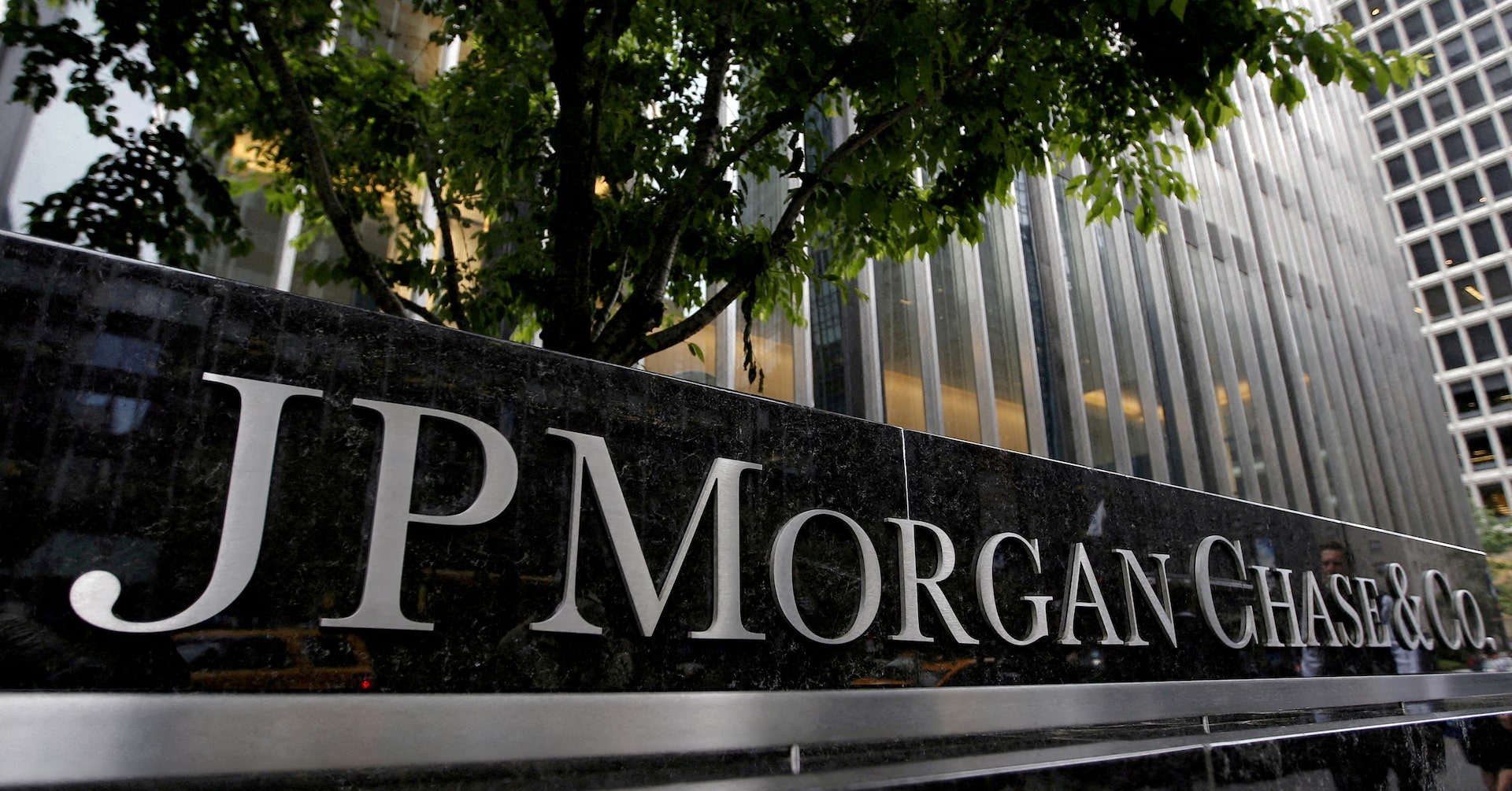
Jamie Dimon Advises Crypto Companies to 'Transform into Banks' for Reward Offerings Amid CLARITY Act Deadlock

Regulatory Standards for Financial Services: Jamie Dimon, CEO of JPMorgan, emphasized that firms providing bank-like services should adhere to the same regulatory standards as banks to ensure fairness and overall system safety.
Stablecoin Rewards and Regulations: Dimon mentioned that stablecoin rewards should only be paid on transactions, not on balances, and reiterated that companies wanting to operate like banks should be regulated as such.
Clarity Act Delay: The Clarity Act, which aims to establish clearer regulations for the cryptocurrency industry, is expected to pass by mid-2026, but its delay continues to create uncertainty in the market.
New OCC Rules for Crypto Companies: The Office of the Comptroller of the Currency (OCC) released new rules proposing a ban on companies like Coinbase and PayPal from offering rewards for holding stablecoins not issued by them, highlighting ongoing regulatory scrutiny in the crypto space.
Jamie Dimon: Crypto Firms Should Face Bank Regulations
- Regulatory Call: Jamie Dimon stated at a Miami conference that crypto firms paying interest on stablecoin balances should adhere to the same regulations as banks, a stance that could significantly impact compliance and operational models within the crypto industry.
- Industry Clash: The confrontation between Dimon and Coinbase CEO Brian Armstrong highlights the tension between crypto platforms and traditional banks, with Armstrong advocating for minimal oversight while Dimon warns that lack of regulation could harm the public.
- Legislative Stalemate: The CLARITY Act, a key piece of legislation from the Trump administration, failed to meet its March 1 deadline due to disputes over stablecoin yields, with Coinbase withdrawing support amid concerns over restrictions, leading to stalled negotiations between banks and crypto executives.
- Market Performance: Coinbase shares have plummeted over 50% from their July 2025 all-time high, with Q4 revenue falling 22% year-over-year to $1.78 billion, missing expectations, reflecting the volatility and uncertainty in the crypto market.
PayPal Faces Class Action Lawsuit Risks
- Class Action Notice: Robbins Geller Rudman & Dowd LLP announces that investors who purchased PayPal stock between February 25, 2025, and February 2, 2026, must apply by April 20, 2026, to be lead plaintiff in the class action lawsuit, highlighting investor concerns over potential legal risks facing the company.
- Allegations of Misleading Information: The lawsuit alleges that PayPal and its executives misled investors regarding financial projections, claiming that their growth plans fell short, which could undermine investor confidence and negatively impact stock performance.
- Declining Financial Performance: On February 3, 2026, PayPal reported disappointing financial results for fiscal year 2025, revealing poor performance in Branded Checkout and retracting its 2027 financial targets, leading to a stock price drop of over 20% post-announcement, reflecting market pessimism about the company's future.
- Legal Firm Background: Robbins Geller is a leading law firm in securities fraud and shareholder rights litigation, recovering over $916 million for investors in 2025, demonstrating its significant strength and influence in the securities class action landscape.
PayPal Class Action Reminder for Investors
- Class Action Notice: Rosen Law Firm reminds investors who purchased PayPal stock between February 25, 2025, and February 2, 2026, to apply as lead plaintiffs by April 20, 2026, to participate in the class action and seek compensation.
- Lawsuit Background: The lawsuit alleges that PayPal executives misled investors about the company's salesforce capabilities while promoting optimistic financial targets for 2027, resulting in investor losses when the truth emerged.
- Law Firm Credentials: Rosen Law Firm specializes in securities class actions and has recovered over $438 million for investors in 2019 alone, showcasing its success and resource advantages in handling such cases.
- Investor Action Advice: Investors can visit the Rosen Law Firm website or call the toll-free number for more information, emphasizing the importance of selecting qualified legal counsel to protect their rights and avoid inexperienced intermediaries.
SoFi CEO Anthony Noto Makes $1 Million Stock Purchase, His First Since 2024
- CEO Stock Purchase: SoFi Technologies' CEO Anthony Noto has bought company stock for the first time in over a year.
- Market Implications: This purchase may signal confidence in the company's future performance and could influence investor sentiment.
PayPal Faces Market Pressure and Analyst Downgrade
- Market Challenges: PayPal's shares declined on Tuesday as broader market pressures mounted, with the Nasdaq and S&P 500 falling 2.36% and 2.24% respectively, indicating that external factors are significantly impacting its stock performance.
- Analyst Downgrade: KGI Securities analyst Andrew Cheng downgraded PayPal from Outperform to Neutral with a price target of $55, reflecting a cautious outlook on the company's future performance amid market volatility.
- Innovative Partnership: PayPal is collaborating with TCS Blockchain to enhance financial solutions in the trucking industry, leveraging PayPal USD for settlements, which is expected to deliver substantial cost savings for transportation companies.
- Technical Analysis Signals: Currently, PayPal's stock is trading below both its 20-day and 100-day simple moving averages, indicating a bearish trend, with a 23% decline over the past year, reflecting market uncertainty regarding its future performance.
Jamie Dimon Advises Crypto Companies to 'Transform into Banks' for Reward Offerings Amid CLARITY Act Deadlock
Regulatory Standards for Financial Services: Jamie Dimon, CEO of JPMorgan, emphasized that firms providing bank-like services should adhere to the same regulatory standards as banks to ensure fairness and overall system safety.
Stablecoin Rewards and Regulations: Dimon mentioned that stablecoin rewards should only be paid on transactions, not on balances, and reiterated that companies wanting to operate like banks should be regulated as such.
Clarity Act Delay: The Clarity Act, which aims to establish clearer regulations for the cryptocurrency industry, is expected to pass by mid-2026, but its delay continues to create uncertainty in the market.
New OCC Rules for Crypto Companies: The Office of the Comptroller of the Currency (OCC) released new rules proposing a ban on companies like Coinbase and PayPal from offering rewards for holding stablecoins not issued by them, highlighting ongoing regulatory scrutiny in the crypto space.