Bank of America’s 10 Daring Predictions for 2026: AI Surge, Robust GDP, and Decreased Yields


Global Economic Outlook: Bank of America Global Research predicts stronger-than-expected growth for the U.S. and China in 2026, driven by fiscal support, AI investments, and a shift in market leadership, despite concerns about an AI bubble being overstated.
U.S. and China Growth Projections: The bank forecasts U.S. GDP growth at 2.4% and China's growth at 4.7% in 2026, with positive signs from trade talks and stimulus measures enhancing the outlook for both economies.
Market Dynamics and Volatility: S&P 500 earnings are expected to rise, but price gains may be limited, while volatility is anticipated to increase as the impact of AI on economic fundamentals becomes clearer.
Sector-Specific Insights: Emerging markets are likely to benefit from a favorable macro environment, while private credit returns may moderate, and copper prices are expected to remain strong due to supply constraints and improved global demand.
Trade with 70% Backtested Accuracy
Analyst Views on SOXX
About the author


Block Joins the Ranks of AI Alarmists: Key Market Fundamentals and 5 Other Important Updates for Today.


- Impact on the Economy: Concerns about artificial intelligence's effects on the U.S. economy are causing significant uncertainty among investors.
- Workforce Implications: The potential changes AI may bring to the workforce are contributing to fears regarding job security and market stability.
- Market Volatility: The stock market has experienced whipsaw movements as a result of these fears, leading to confusion among investors.
- Investor Sentiment: Overall, the uncertainty surrounding AI's impact is creating a challenging environment for investment decisions.

The Anti-AI Trend Is Booming: Here Are the Top Performing Stocks.


Investor Behavior: Investors are moving away from struggling software companies and seeking stability in stocks less likely to be affected by the rise of artificial intelligence.
Market Insights: Goldman Sachs reports that this shift in investment strategy appears to be yielding positive results.

Software Earnings Are Here: A Pivotal Moment for the Industry.


- Software Earnings: Several companies are reporting their software earnings this week, which is significant for the industry.
- Sector Challenges: The software sector has faced difficulties recently, largely due to rising concerns surrounding artificial intelligence.
- Market Impact: The earnings reports may influence market perceptions and investor confidence in the software industry.
- Future Outlook: The results could provide insights into how companies are adapting to the challenges posed by AI advancements.

AI Agents and the Software Crisis
Best Trade in 2026: The most profitable investment strategy in 2026 has been to buy semiconductor stocks while selling software companies.
Performance of Semiconductor Stocks: The iShares Semiconductor ETF has increased by 19% in 2026, following a 40% gain in 2025.
Struggles of Software Companies: In contrast, software companies have faced significant losses, with the iShares Expanded Tech-Software Sector ETF down 22% this year.
Quarterly Decline: The software sector also experienced an 8% decline in the fourth quarter of the previous year.

Qualcomm Shares Are Inexpensive Ahead of Earnings Report

- Current Challenges: Qualcomm is experiencing some difficulties this year that may impact its performance.
- Stock Appeal: Despite these challenges, Qualcomm's stock remains an attractive investment option.
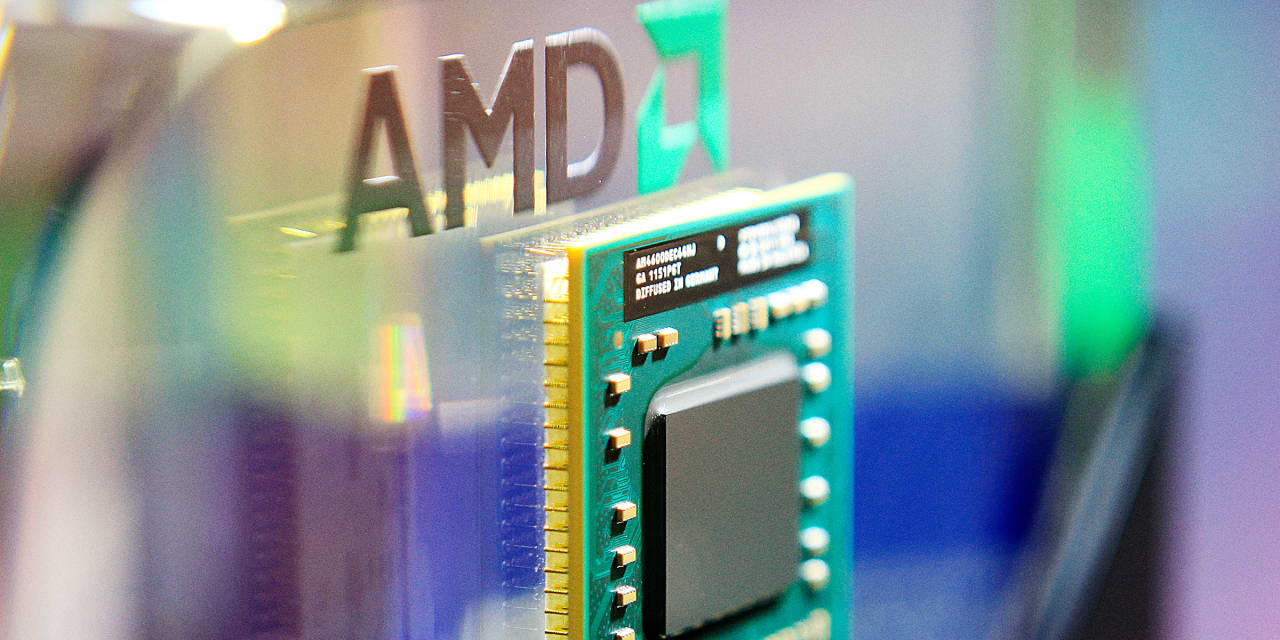
AMD's Success Persists: What is the Potential for Stock Growth?

- Stock Performance: Advanced Micro Devices' stock has been experiencing a rally recently.
- Analyst Predictions: Analysts suggest that this positive trend may continue in the near future.
Block Joins the Ranks of AI Alarmists: Key Market Fundamentals and 5 Other Important Updates for Today.
- Impact on the Economy: Concerns about artificial intelligence's effects on the U.S. economy are causing significant uncertainty among investors.
- Workforce Implications: The potential changes AI may bring to the workforce are contributing to fears regarding job security and market stability.
- Market Volatility: The stock market has experienced whipsaw movements as a result of these fears, leading to confusion among investors.
- Investor Sentiment: Overall, the uncertainty surrounding AI's impact is creating a challenging environment for investment decisions.
The Anti-AI Trend Is Booming: Here Are the Top Performing Stocks.
Investor Behavior: Investors are moving away from struggling software companies and seeking stability in stocks less likely to be affected by the rise of artificial intelligence.
Market Insights: Goldman Sachs reports that this shift in investment strategy appears to be yielding positive results.
Software Earnings Are Here: A Pivotal Moment for the Industry.
- Software Earnings: Several companies are reporting their software earnings this week, which is significant for the industry.
- Sector Challenges: The software sector has faced difficulties recently, largely due to rising concerns surrounding artificial intelligence.
- Market Impact: The earnings reports may influence market perceptions and investor confidence in the software industry.
- Future Outlook: The results could provide insights into how companies are adapting to the challenges posed by AI advancements.
AI Agents and the Software Crisis
Best Trade in 2026: The most profitable investment strategy in 2026 has been to buy semiconductor stocks while selling software companies.
Performance of Semiconductor Stocks: The iShares Semiconductor ETF has increased by 19% in 2026, following a 40% gain in 2025.
Struggles of Software Companies: In contrast, software companies have faced significant losses, with the iShares Expanded Tech-Software Sector ETF down 22% this year.
Quarterly Decline: The software sector also experienced an 8% decline in the fourth quarter of the previous year.
Qualcomm Shares Are Inexpensive Ahead of Earnings Report
- Current Challenges: Qualcomm is experiencing some difficulties this year that may impact its performance.
- Stock Appeal: Despite these challenges, Qualcomm's stock remains an attractive investment option.
AMD's Success Persists: What is the Potential for Stock Growth?
- Stock Performance: Advanced Micro Devices' stock has been experiencing a rally recently.
- Analyst Predictions: Analysts suggest that this positive trend may continue in the near future.