

Analysts Raise Campbell's Forecasts After Strong Q4 Earnings Report
Earnings Report: Campbell's Company reported fourth-quarter sales of $2.32 billion, a 1% year-over-year growth, with adjusted EPS of 62 cents exceeding expectations, despite slightly missing sales estimates.
Future Projections: The company anticipates full-year sales between $10.035 billion and $10.240 billion, indicating a potential decline, and expects adjusted EBIT to decrease by 9% to 13%.
Market Reaction: Following the earnings announcement, Campbell's shares fell by 2.5% to $32.89, prompting analysts to adjust their price targets, with Bernstein maintaining an Outperform rating and raising the target to $39.
Analyst Ratings: Various analysts provided mixed ratings on Campbell's stock, with TD Cowen maintaining a Hold rating and raising the target to $31, while B of A Securities maintained an Underperform rating with a target increase to $30.
Trade with 70% Backtested Accuracy
Analyst Views on CPB

About CPB
About the author


Analysis of High-Yield Stock Investment Opportunities


- Dividend Stock Performance: According to analysis by Hartford Funds and Ned Davis Research, from 1973 to 2024, dividend stocks achieved an annualized return of 9.2%, more than double the 4.31% of non-payers, demonstrating their stability and long-term investment value amid economic fluctuations.
- Sirius XM Competitive Edge: Sirius XM Holdings boasts a dividend yield of 4.92%, and while it does not increase its payout annually, its status as the only legal satellite radio operator in the U.S. provides pricing power and stable subscription revenue, reducing reliance on advertising income and enhancing resilience during economic downturns.
- HP Inc. Market Performance: HP Inc. offers a dividend yield of 6.32%, and despite rising production costs, consumer PC sales surged by 16% in the first fiscal quarter, indicating strong market demand, while its forward P/E ratio of just 6 presents an attractive investment opportunity.
- Campbell's Co. Cost Optimization: Campbell's Co. has a dividend yield of 5.79%, and despite challenges from weak snack sales and tariffs, the company is targeting $375 million in annual cost savings by 2028 through acquisitions and production optimization, showcasing its potential for long-term growth.

High Dividend Stocks Outperform Non-Payers Significantly
- Dividend Stock Returns: Research by Hartford Funds reveals that from 1973 to 2024, dividend stocks achieved an annualized return of 9.2%, more than double the 4.31% return of non-payers, highlighting the long-term superiority of dividend-paying investments.
- Sirius XM Competitive Edge: With a current dividend yield of 4.92%, Sirius XM is close to its all-time high, and as one of America's few legal monopolies, it derives 76% of its revenue from subscriptions, enhancing its resilience during economic downturns.
- HP's Market Performance: Despite a nearly 50% drop in HP's stock price since November 2024, its 6.3% dividend yield and a 16% surge in consumer PC sales in the first fiscal quarter position it as a focal point for investors.
- Campbell's Cost Optimization: With a dividend yield of 5.79%, Campbell's aims to achieve $375 million in annual cost savings through the Sovos Brands acquisition while targeting 2% to 3% organic growth in its snacks segment, showcasing its long-term investment potential.
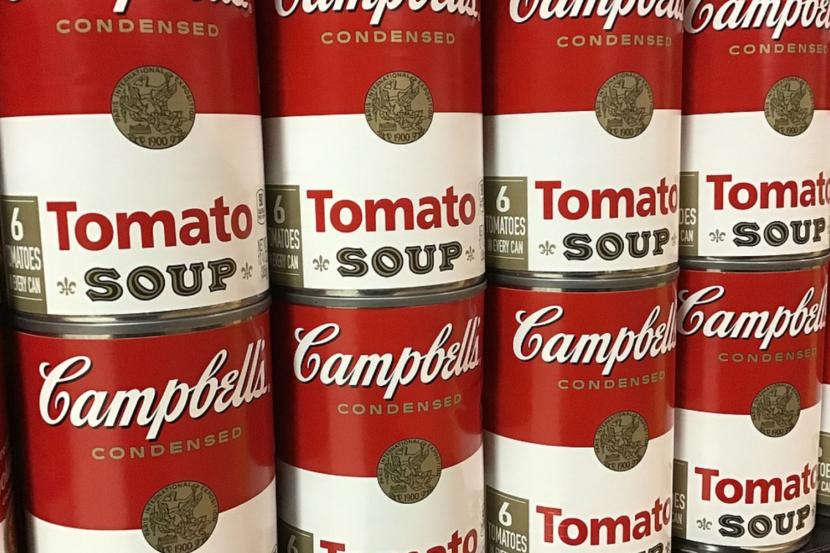
Campbell's Appoints New Chief Supply Chain Officer
- Executive Appointment: Campbell's has appointed Cassandra Green as Chief Supply Chain Officer, effective immediately, reporting to CEO Mick Beekhuizen and joining the Operating Committee to enhance supply chain management efficiency.
- Extensive Experience: Since joining the company in 2010, Green has held various leadership roles, including plant manager in Australia, overseeing fresh supply chain and manufacturing for the Meals & Beverages division, showcasing her deep industry knowledge and leadership skills.
- Operational Excellence: As Head of Supply Chain, Green has focused on reducing total delivered costs and advancing innovative approaches to mitigate inflation pressures, further enhancing the company's operational efficiency and digital transformation.
- Strategic Implications: Green's appointment not only strengthens the company's supply chain leadership but also positions Campbell's to maintain a competitive advantage in future growth while ensuring continuous improvement in food safety and quality.

Campbell's Appoints New Chief Supply Chain Officer
- Executive Appointment: Campbell's has appointed Cassandra Green as Chief Supply Chain Officer, effective immediately, aiming to enhance supply chain efficiency and drive business growth under her leadership.
- Extensive Experience: Since joining the company in 2010, Green has held various leadership roles, including overseeing manufacturing for the Meals & Beverages division, showcasing her deep knowledge and successful track record in supply chain management.
- Operational Excellence: As Head of Supply Chain, Green has focused on reducing total delivered costs and advancing innovative strategies to mitigate inflation pressures, thereby enhancing the company's competitive advantage.
- Strategic Impact: Her appointment not only strengthens the operational team but also propels digital transformation and food safety quality management, ensuring Campbell's maintains its leadership position in a rapidly changing market.

Target to Ban Synthetic Colors in Cereal by May

- Synthetic Color Ban: Target has announced that by the end of May, all cereals sold must be free from certified synthetic colors, aiming to respond to consumer demand for healthier food options, enhance brand image, and attract health-conscious shoppers.
- Industry Trend: This policy aligns with actions taken by other food manufacturers like PepsiCo, Campbell's, and Conagra Brands, indicating a broader retail industry shift towards eliminating artificial dyes in response to the 'Make America Healthy Again' initiative, which could impact the entire food supply chain.
- Competitor Actions: Walmart also announced last October that it would remove synthetic dyes from its U.S. private-label foods, and Target's decision may prompt more retailers to follow suit, thereby creating a wider trend towards healthier food options in the industry.
- Market Impact: As consumer scrutiny of food ingredients increases, Target's ban not only enhances its market competitiveness but may also encourage other retailers to reassess their product ingredients, further driving the industry's health transformation.

Investors Should Adopt a Defensive Strategy: Offload Staples and Invest in Healthcare.


- Investment Strategy: Investors are encouraged to shift their focus towards defensive stocks for better stability in uncertain markets.
- Sector Shift: The recommended approach is to sell off consumer staples and invest in the healthcare sector.
Analysis of High-Yield Stock Investment Opportunities
- Dividend Stock Performance: According to analysis by Hartford Funds and Ned Davis Research, from 1973 to 2024, dividend stocks achieved an annualized return of 9.2%, more than double the 4.31% of non-payers, demonstrating their stability and long-term investment value amid economic fluctuations.
- Sirius XM Competitive Edge: Sirius XM Holdings boasts a dividend yield of 4.92%, and while it does not increase its payout annually, its status as the only legal satellite radio operator in the U.S. provides pricing power and stable subscription revenue, reducing reliance on advertising income and enhancing resilience during economic downturns.
- HP Inc. Market Performance: HP Inc. offers a dividend yield of 6.32%, and despite rising production costs, consumer PC sales surged by 16% in the first fiscal quarter, indicating strong market demand, while its forward P/E ratio of just 6 presents an attractive investment opportunity.
- Campbell's Co. Cost Optimization: Campbell's Co. has a dividend yield of 5.79%, and despite challenges from weak snack sales and tariffs, the company is targeting $375 million in annual cost savings by 2028 through acquisitions and production optimization, showcasing its potential for long-term growth.
High Dividend Stocks Outperform Non-Payers Significantly
- Dividend Stock Returns: Research by Hartford Funds reveals that from 1973 to 2024, dividend stocks achieved an annualized return of 9.2%, more than double the 4.31% return of non-payers, highlighting the long-term superiority of dividend-paying investments.
- Sirius XM Competitive Edge: With a current dividend yield of 4.92%, Sirius XM is close to its all-time high, and as one of America's few legal monopolies, it derives 76% of its revenue from subscriptions, enhancing its resilience during economic downturns.
- HP's Market Performance: Despite a nearly 50% drop in HP's stock price since November 2024, its 6.3% dividend yield and a 16% surge in consumer PC sales in the first fiscal quarter position it as a focal point for investors.
- Campbell's Cost Optimization: With a dividend yield of 5.79%, Campbell's aims to achieve $375 million in annual cost savings through the Sovos Brands acquisition while targeting 2% to 3% organic growth in its snacks segment, showcasing its long-term investment potential.
Campbell's Appoints New Chief Supply Chain Officer
- Executive Appointment: Campbell's has appointed Cassandra Green as Chief Supply Chain Officer, effective immediately, reporting to CEO Mick Beekhuizen and joining the Operating Committee to enhance supply chain management efficiency.
- Extensive Experience: Since joining the company in 2010, Green has held various leadership roles, including plant manager in Australia, overseeing fresh supply chain and manufacturing for the Meals & Beverages division, showcasing her deep industry knowledge and leadership skills.
- Operational Excellence: As Head of Supply Chain, Green has focused on reducing total delivered costs and advancing innovative approaches to mitigate inflation pressures, further enhancing the company's operational efficiency and digital transformation.
- Strategic Implications: Green's appointment not only strengthens the company's supply chain leadership but also positions Campbell's to maintain a competitive advantage in future growth while ensuring continuous improvement in food safety and quality.
Campbell's Appoints New Chief Supply Chain Officer
- Executive Appointment: Campbell's has appointed Cassandra Green as Chief Supply Chain Officer, effective immediately, aiming to enhance supply chain efficiency and drive business growth under her leadership.
- Extensive Experience: Since joining the company in 2010, Green has held various leadership roles, including overseeing manufacturing for the Meals & Beverages division, showcasing her deep knowledge and successful track record in supply chain management.
- Operational Excellence: As Head of Supply Chain, Green has focused on reducing total delivered costs and advancing innovative strategies to mitigate inflation pressures, thereby enhancing the company's competitive advantage.
- Strategic Impact: Her appointment not only strengthens the operational team but also propels digital transformation and food safety quality management, ensuring Campbell's maintains its leadership position in a rapidly changing market.
Target to Ban Synthetic Colors in Cereal by May
- Synthetic Color Ban: Target has announced that by the end of May, all cereals sold must be free from certified synthetic colors, aiming to respond to consumer demand for healthier food options, enhance brand image, and attract health-conscious shoppers.
- Industry Trend: This policy aligns with actions taken by other food manufacturers like PepsiCo, Campbell's, and Conagra Brands, indicating a broader retail industry shift towards eliminating artificial dyes in response to the 'Make America Healthy Again' initiative, which could impact the entire food supply chain.
- Competitor Actions: Walmart also announced last October that it would remove synthetic dyes from its U.S. private-label foods, and Target's decision may prompt more retailers to follow suit, thereby creating a wider trend towards healthier food options in the industry.
- Market Impact: As consumer scrutiny of food ingredients increases, Target's ban not only enhances its market competitiveness but may also encourage other retailers to reassess their product ingredients, further driving the industry's health transformation.
Investors Should Adopt a Defensive Strategy: Offload Staples and Invest in Healthcare.
- Investment Strategy: Investors are encouraged to shift their focus towards defensive stocks for better stability in uncertain markets.
- Sector Shift: The recommended approach is to sell off consumer staples and invest in the healthcare sector.




