Analysis Indicates IWR Could Reach $106


ETF Analysis: The iShares Russell Mid-Cap ETF (IWR) has an implied analyst target price of $105.81, indicating a potential upside of 12.55% from its current trading price of $94.01.
Notable Holdings: Key underlying holdings with significant upside include Blue Owl Capital Inc (23.76% higher target), Ally Financial Inc (16.73% higher target), and DXC Technology Co (15.79% higher target).
Analyst Target Justification: Questions arise regarding whether analysts' targets are justified or overly optimistic, considering recent developments in the companies and their industries.
Investor Research Needed: Further research is suggested for investors to assess the validity of these analyst targets and the potential for future stock performance.
Trade with 70% Backtested Accuracy
Analyst Views on OWL

About OWL
About the author


Blackstone Shares Slide Due to Client Withdrawals


- Client Withdrawal Pressure: Blackstone allowed investors to withdraw $3.7 billion from its $82 billion private credit fund BCRED in Q1, resulting in net outflows of $1.7 billion, pushing the stock down to a two-year low.
- Surge in Redemption Requests: Redemption requests reached 7.9%, exceeding the typical 5% quarterly limit, prompting Blackstone to temporarily raise the cap to meet all withdrawal requests, while the firm and its employees injected $400 million to assist with redemptions.
- Growing Industry Concerns: The collapse of UK mortgage lender Market Financial Solutions has heightened fears of hidden risks in private credit, with research firm RA Stanger forecasting a 40% year-over-year drop in BDC fundraising by 2026, mirroring the sharp slowdown seen in wealthy investors' real estate funds in 2023.
- Technical Analysis: Blackstone's stock is currently positioned below all key moving averages, trading 13.1% below its 20-day SMA and 23.3% below its 50-day SMA, indicating ongoing weakness, with a 30.60% decline over the past 12 months reflecting broader market challenges and negative investor sentiment.
JPMorgan CEO Warns of Deteriorating Credit Cycle Risks

- Credit Cycle Warning: JPMorgan CEO Jamie Dimon cautioned at the Global Leveraged Finance Conference that the next credit cycle will be worse than normal due to widespread complacency among lenders, particularly as government debt reaches unprecedented levels, potentially leading to inflated asset prices and low credit spreads.
- Inflation Risk Factors: Dimon noted that the Iran conflict could trigger inflation, although he expressed cautious optimism that it might serve as a catalyst for lasting peace in the Middle East, asserting that higher gas prices won't significantly impact inflation unless the situation persists.
- Market Risk Pricing Changes: According to Kalshi, the odds of a recession in 2026 have risen from 21% in February to 25%, while the likelihood of US unemployment exceeding 5% has increased from 33% to 37%, indicating growing market concerns about economic prospects.
- Private Credit Market Vulnerability: Noted investor Steve Eisman warned that the $1.8 trillion private credit market could severely harm the US economy, particularly as over 20% of private credit is tied to software buyout loans made at pre-AI valuations, which may default if those companies are replaced by AI.

Blackstone's BCRED Private Credit Fund Experiences Unprecedented Redemptions, Heightening Concerns.


- Blackstone's Private Credit Fund: The flagship private credit fund of Blackstone experienced significant redemptions in the first quarter, indicating challenges within the private credit sector.
- Impact on Stock Performance: Following the news of redemptions, Blackstone's stock saw a decline during early trading on Tuesday.

Insider at Blue Owl Capital (OWL.US) Plans to Sell $9.56 Million in Common Stock via Form 144
Share Sale Announcement: Blue Owl Capital plans to sell 906.21K shares of its common stock on March 2, with a total market value of approximately $9.56 million.
Reduction in Holdings: Blue Owl Exchange LP has decreased its shareholding in Blue Owl Capital by 710.59K shares since December 2, 2025, with a total value of around $10.68 million.
Form 144: Blue Owl Capital (OWL.US) 10% Stakeholder Plans to Sell $62.31 Million in Common Shares
Stock Sale Announcement: Blue Owl Capital (OWL.US) plans to sell 5.83 million shares of its common stock on March 2.
Market Value: The total market value of the shares being sold is approximately $62.31 million.
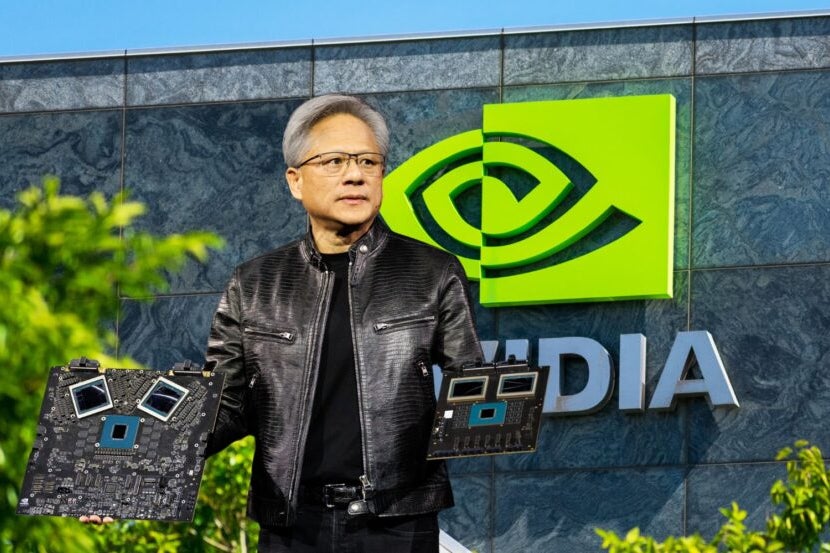
Nvidia Reports Strong Earnings but Stock Declines

- Strong Earnings Report: Nvidia achieved $68.1 billion in revenue for fiscal Q4, a 73% year-over-year increase, with EPS rising 82%, yet the stock declined, indicating market skepticism about AI's future.
- Valuation Comparison: Eisman highlighted Nvidia's forward P/E ratio of approximately 25x despite a projected 67% EPS growth this fiscal year, compared to the S&P 500's 21.6x, reflecting doubts about AI's sustainability.
- Capital Expenditure Projections: Four hyperscalers forecast a combined AI capex of $650 billion by 2026, up from $450 billion last year, which Eisman sees as both a significant tailwind for Nvidia and a potential risk if returns do not materialize.
- Software Industry Risks: Eisman expressed concerns about AI's impact on software companies, suggesting that AI spending could replace existing products, jeopardizing private credit loans tied to software buyouts, with over 20% of the $1.8 trillion private credit market exposed to such loans, posing substantial risks.
Blackstone Shares Slide Due to Client Withdrawals
- Client Withdrawal Pressure: Blackstone allowed investors to withdraw $3.7 billion from its $82 billion private credit fund BCRED in Q1, resulting in net outflows of $1.7 billion, pushing the stock down to a two-year low.
- Surge in Redemption Requests: Redemption requests reached 7.9%, exceeding the typical 5% quarterly limit, prompting Blackstone to temporarily raise the cap to meet all withdrawal requests, while the firm and its employees injected $400 million to assist with redemptions.
- Growing Industry Concerns: The collapse of UK mortgage lender Market Financial Solutions has heightened fears of hidden risks in private credit, with research firm RA Stanger forecasting a 40% year-over-year drop in BDC fundraising by 2026, mirroring the sharp slowdown seen in wealthy investors' real estate funds in 2023.
- Technical Analysis: Blackstone's stock is currently positioned below all key moving averages, trading 13.1% below its 20-day SMA and 23.3% below its 50-day SMA, indicating ongoing weakness, with a 30.60% decline over the past 12 months reflecting broader market challenges and negative investor sentiment.
JPMorgan CEO Warns of Deteriorating Credit Cycle Risks
- Credit Cycle Warning: JPMorgan CEO Jamie Dimon cautioned at the Global Leveraged Finance Conference that the next credit cycle will be worse than normal due to widespread complacency among lenders, particularly as government debt reaches unprecedented levels, potentially leading to inflated asset prices and low credit spreads.
- Inflation Risk Factors: Dimon noted that the Iran conflict could trigger inflation, although he expressed cautious optimism that it might serve as a catalyst for lasting peace in the Middle East, asserting that higher gas prices won't significantly impact inflation unless the situation persists.
- Market Risk Pricing Changes: According to Kalshi, the odds of a recession in 2026 have risen from 21% in February to 25%, while the likelihood of US unemployment exceeding 5% has increased from 33% to 37%, indicating growing market concerns about economic prospects.
- Private Credit Market Vulnerability: Noted investor Steve Eisman warned that the $1.8 trillion private credit market could severely harm the US economy, particularly as over 20% of private credit is tied to software buyout loans made at pre-AI valuations, which may default if those companies are replaced by AI.
Blackstone's BCRED Private Credit Fund Experiences Unprecedented Redemptions, Heightening Concerns.
- Blackstone's Private Credit Fund: The flagship private credit fund of Blackstone experienced significant redemptions in the first quarter, indicating challenges within the private credit sector.
- Impact on Stock Performance: Following the news of redemptions, Blackstone's stock saw a decline during early trading on Tuesday.
Insider at Blue Owl Capital (OWL.US) Plans to Sell $9.56 Million in Common Stock via Form 144
Share Sale Announcement: Blue Owl Capital plans to sell 906.21K shares of its common stock on March 2, with a total market value of approximately $9.56 million.
Reduction in Holdings: Blue Owl Exchange LP has decreased its shareholding in Blue Owl Capital by 710.59K shares since December 2, 2025, with a total value of around $10.68 million.
Form 144: Blue Owl Capital (OWL.US) 10% Stakeholder Plans to Sell $62.31 Million in Common Shares
Stock Sale Announcement: Blue Owl Capital (OWL.US) plans to sell 5.83 million shares of its common stock on March 2.
Market Value: The total market value of the shares being sold is approximately $62.31 million.
Nvidia Reports Strong Earnings but Stock Declines
- Strong Earnings Report: Nvidia achieved $68.1 billion in revenue for fiscal Q4, a 73% year-over-year increase, with EPS rising 82%, yet the stock declined, indicating market skepticism about AI's future.
- Valuation Comparison: Eisman highlighted Nvidia's forward P/E ratio of approximately 25x despite a projected 67% EPS growth this fiscal year, compared to the S&P 500's 21.6x, reflecting doubts about AI's sustainability.
- Capital Expenditure Projections: Four hyperscalers forecast a combined AI capex of $650 billion by 2026, up from $450 billion last year, which Eisman sees as both a significant tailwind for Nvidia and a potential risk if returns do not materialize.
- Software Industry Risks: Eisman expressed concerns about AI's impact on software companies, suggesting that AI spending could replace existing products, jeopardizing private credit loans tied to software buyouts, with over 20% of the $1.8 trillion private credit market exposed to such loans, posing substantial risks.