

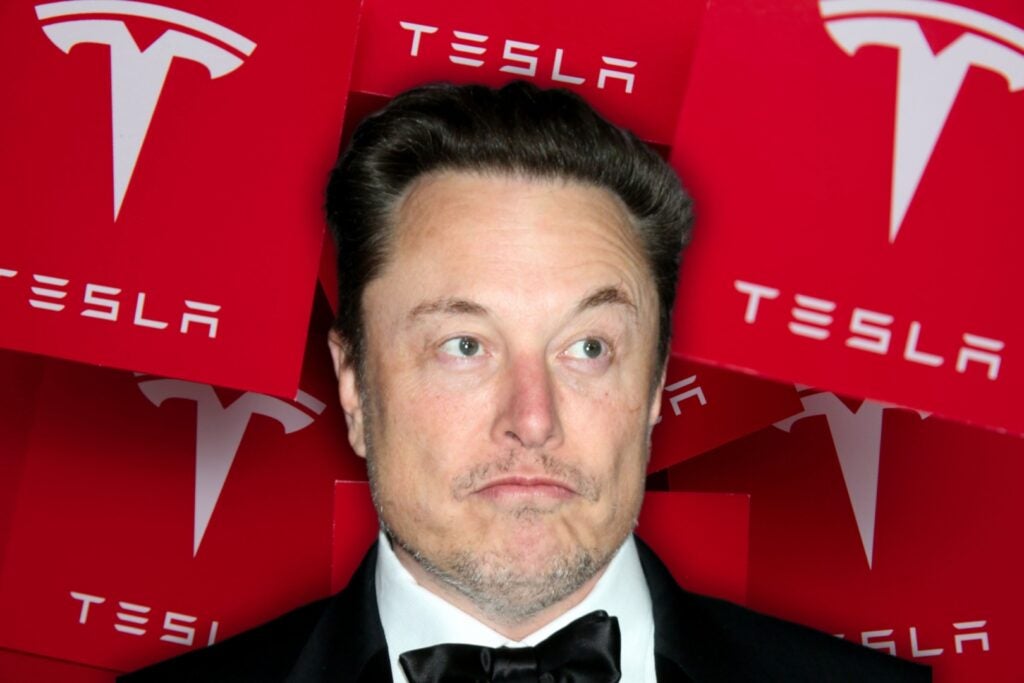
Always on the ground or set for takeoff? Unraveling the enigma of Tesla's next-generation Roadster.

Next-Gen Roadster Development: Tesla is progressing with plans for a next-generation Roadster, which was first unveiled as a prototype in 2017, promising impressive performance metrics and a significant range, although its production has faced multiple delays.
Production Timeline and Speculation: Elon Musk has indicated that a production-ready version may be revealed on April 1, 2026, with production potentially starting in 2027-2028, though the timing has raised concerns about it being an April Fools' Day prank.
Technological Ambitions: The Roadster project is described as a "racing program" aimed at pushing engineering boundaries and showcasing new technology, with Musk hinting at extraordinary features, including a flying-car capability.
Market Context: Other companies like XPeng and Hyundai are also exploring electric vertical takeoff and landing vehicles, indicating a competitive landscape in the electric vehicle and advanced mobility sectors.
Trade with 70% Backtested Accuracy
Analyst Views on TSLA

About TSLA
About the author

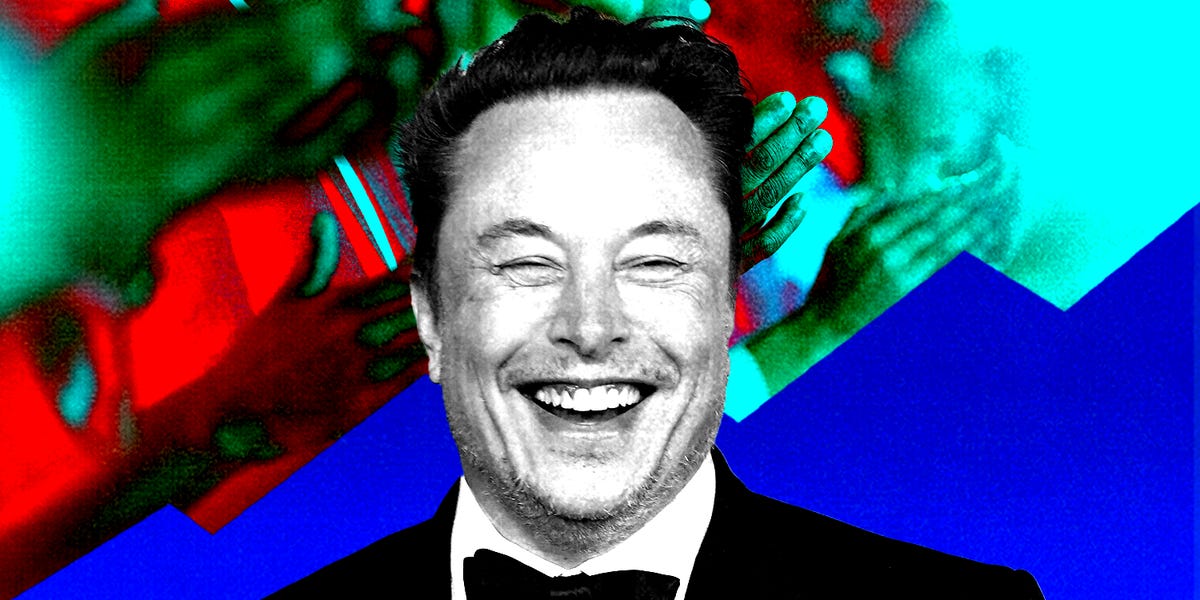
Tesla Doubles Down on AI Investment Amid Risks and Opportunities

- Increased Capital Expenditure: Tesla plans to more than double its capital expenditures from $8.5 billion to $20 billion in 2023, focusing on AI, robotics, and driverless technologies, reflecting the company's ambitious growth strategy but also introducing higher operational risks.
- Product Line Shift: The company will cease production of Model S and X vehicles to focus on manufacturing Optimus robots at its California factory, marking a significant strategic pivot that could impact the profitability of its EV business.
- Market Valuation Pressure: With Tesla trading at nearly 400 times its trailing earnings, investor expectations for future growth are extremely high, and failure to meet these expectations could lead to a significant sell-off in the stock, increasing investment risks.
- Long-Term Development Goals: Musk aims to launch Optimus robots to the public by 2027, and while this vision holds potential, the risks associated with the transition could adversely affect the company's short-term financial performance.
Charlie Munger Exits BYD Before Sales Decline
- Significant Investment Return: Charlie Munger invested $230 million in BYD in 2008 for a 10% stake, marking it as a successful investment for Berkshire Hathaway; however, the firm began exiting its position in 2022 and fully sold its stake by Q3 2025, just before a sales decline.
- Sales Decline Raises Concerns: According to Trung Phan on social media, BYD's sales dropped in the first two months of 2026, raising widespread market concern, particularly from Tesla CEO Elon Musk, who expressed worries about the trend.
- Market Sensitivity: Munger noted in an interview that he had never made a better investment at Berkshire than BYD, highlighting the company's influence in the EV market, yet the sales decline could impact its future market performance.
- Strategic Exit Timing: Berkshire's exit coincided with BYD's sales drop, indicating investors' sensitivity to market dynamics and risk aversion, which may affect other investors' confidence and market expectations.
Concerns Rise Over AI's Impact on Employment

- Government Intervention Risk: Palantir CEO Karp warned at the Andreessen Horowitz summit that if AI leads to significant white-collar job losses while weakening ties with the U.S. military, Silicon Valley could face government intervention, raising concerns about the nationalization of technology.
- Layoff Trends Intensify: Block announced plans to cut about 40% of its workforce, with CEO Dorsey stating that AI tools enable companies to operate with smaller teams, reflecting a broader trend of layoffs across industries as firms like Amazon, HP, and Meta redirect spending towards AI initiatives.
- Growing Market Anxiety: Despite economists noting limited evidence of widespread AI-driven job losses, anxiety is rising as AI increasingly influences corporate hiring and restructuring decisions, particularly amid labor market churn and concerns about employment stability.
- Importance of Vocational Training: Karp previously argued that AI could reshape employment patterns and reduce the need for large-scale immigration, emphasizing the value of vocational training workers in the future job market and challenging the notion that traditional white-collar jobs are insulated from automation.
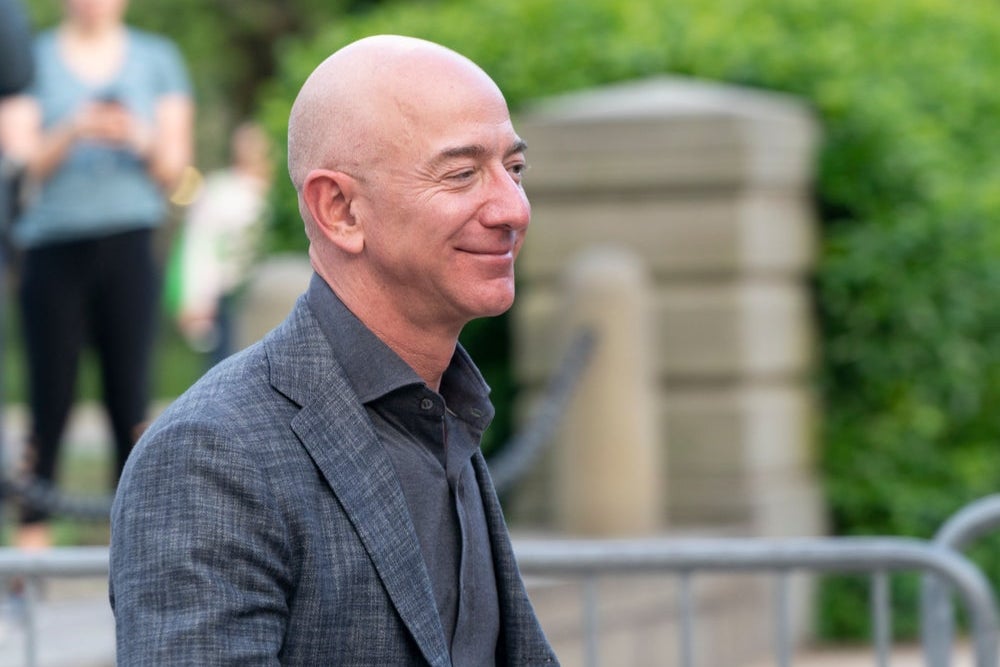
Comparing Tesla and Amazon's AI Investments

- Tesla's AI Transition: Tesla highlighted a 38% year-over-year growth in its active Full Self-Driving subscribers to 1.1 million in its fourth-quarter report, showcasing progress in physical AI, despite a challenging core automotive business with total revenue down 11% to $17.7 billion.
- Amazon's Strong Growth: Amazon reported fourth-quarter net sales of $213.4 billion, a 14% year-over-year increase, with AWS revenue surging 24% to $35.6 billion, reflecting rapid adoption in cloud computing and an 18% rise in overall operating income to $25 billion.
- Valuation Discrepancy: Amazon's price-to-earnings ratio stands at about 29, making it more attractive compared to Tesla's 360, especially given Amazon's robust momentum across e-commerce, digital subscriptions, and advertising, offering investors better growth potential.
- Investment Risk Assessment: While Amazon faces uncertainties from the macroeconomic environment and regulatory risks, its investments in AI infrastructure may impact short-term free cash flow; however, its valuation better accounts for these risks, making it a more compelling investment compared to Tesla's high valuation.
Analysis of Tesla and Amazon Stock Price Declines
- Tesla Subscription Growth: Tesla's Full Self-Driving (Supervised) subscriber base grew 38% year-over-year to 1.1 million in Q4, despite a decline in total automotive revenue by 11% to $17.7 billion, highlighting the company's dual challenges and opportunities in its AI transition.
- Amazon Cloud Strength: Amazon's AWS segment saw a 24% year-over-year revenue increase to $35.6 billion in the latest quarter, contributing to a 14% rise in total net sales to $213.4 billion, underscoring its leadership in the technological shift.
- Financial Performance Comparison: Amazon's overall operating income rose 18% year-over-year to $25.0 billion, while Tesla's operating margin fell from 6.2% to 5.7%, reflecting differing strategies and investor appeal amid market volatility.
- Valuation Discrepancy: Amazon's price-to-earnings ratio stands at about 29 times, making it more attractive compared to Tesla's 360 times, indicating that while both face macroeconomic risks, Amazon's diversified business and strong growth potential offer better investment value in the current market landscape.
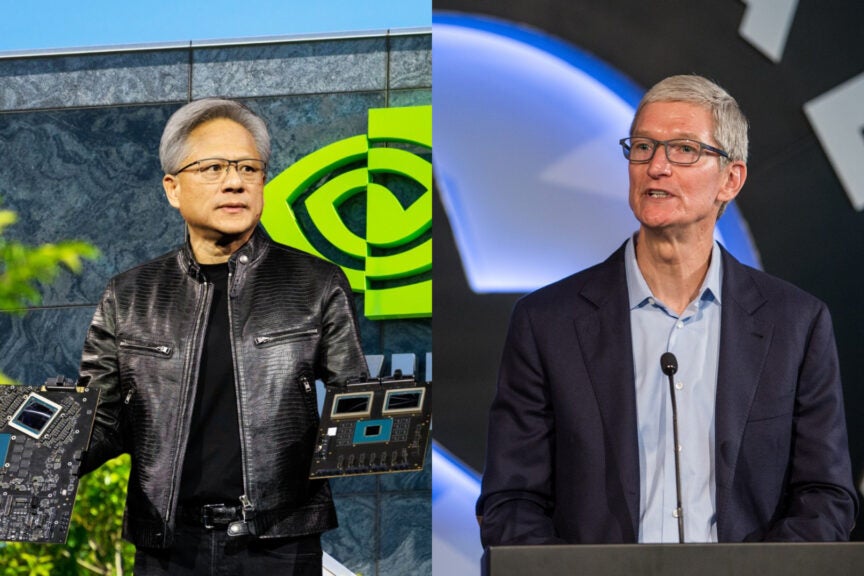
Nvidia Exceeds Expectations with Fiscal 2026 Results


- Impressive Performance: Nvidia achieved a record $215.94 billion in revenue for fiscal 2026, with net income reaching $120.07 billion, demonstrating strong profitability and market demand, and is expected to continue leading the 'Magnificent Seven'.
- Robust Cash Flow: The company generated $96.58 billion in free cash flow, sufficient to cover $41.1 billion in stock repurchases and dividends, indicating a healthy financial position that supports future investments and growth.
- Increased R&D Investment: Nvidia launched the Blackwell architecture in March 2024 and unveiled the Rubin platform in January 2023, showcasing its ongoing innovation in AI aimed at eliminating workload bottlenecks and enhancing market competitiveness.
- Expanding Customer Base: By investing in Anthropic and OpenAI, Nvidia is broadening its customer base and is expected to benefit from the growing demand for AI, solidifying its leadership position in the data center market.
Tesla Doubles Down on AI Investment Amid Risks and Opportunities
- Increased Capital Expenditure: Tesla plans to more than double its capital expenditures from $8.5 billion to $20 billion in 2023, focusing on AI, robotics, and driverless technologies, reflecting the company's ambitious growth strategy but also introducing higher operational risks.
- Product Line Shift: The company will cease production of Model S and X vehicles to focus on manufacturing Optimus robots at its California factory, marking a significant strategic pivot that could impact the profitability of its EV business.
- Market Valuation Pressure: With Tesla trading at nearly 400 times its trailing earnings, investor expectations for future growth are extremely high, and failure to meet these expectations could lead to a significant sell-off in the stock, increasing investment risks.
- Long-Term Development Goals: Musk aims to launch Optimus robots to the public by 2027, and while this vision holds potential, the risks associated with the transition could adversely affect the company's short-term financial performance.
Charlie Munger Exits BYD Before Sales Decline
- Significant Investment Return: Charlie Munger invested $230 million in BYD in 2008 for a 10% stake, marking it as a successful investment for Berkshire Hathaway; however, the firm began exiting its position in 2022 and fully sold its stake by Q3 2025, just before a sales decline.
- Sales Decline Raises Concerns: According to Trung Phan on social media, BYD's sales dropped in the first two months of 2026, raising widespread market concern, particularly from Tesla CEO Elon Musk, who expressed worries about the trend.
- Market Sensitivity: Munger noted in an interview that he had never made a better investment at Berkshire than BYD, highlighting the company's influence in the EV market, yet the sales decline could impact its future market performance.
- Strategic Exit Timing: Berkshire's exit coincided with BYD's sales drop, indicating investors' sensitivity to market dynamics and risk aversion, which may affect other investors' confidence and market expectations.
Concerns Rise Over AI's Impact on Employment
- Government Intervention Risk: Palantir CEO Karp warned at the Andreessen Horowitz summit that if AI leads to significant white-collar job losses while weakening ties with the U.S. military, Silicon Valley could face government intervention, raising concerns about the nationalization of technology.
- Layoff Trends Intensify: Block announced plans to cut about 40% of its workforce, with CEO Dorsey stating that AI tools enable companies to operate with smaller teams, reflecting a broader trend of layoffs across industries as firms like Amazon, HP, and Meta redirect spending towards AI initiatives.
- Growing Market Anxiety: Despite economists noting limited evidence of widespread AI-driven job losses, anxiety is rising as AI increasingly influences corporate hiring and restructuring decisions, particularly amid labor market churn and concerns about employment stability.
- Importance of Vocational Training: Karp previously argued that AI could reshape employment patterns and reduce the need for large-scale immigration, emphasizing the value of vocational training workers in the future job market and challenging the notion that traditional white-collar jobs are insulated from automation.
Comparing Tesla and Amazon's AI Investments
- Tesla's AI Transition: Tesla highlighted a 38% year-over-year growth in its active Full Self-Driving subscribers to 1.1 million in its fourth-quarter report, showcasing progress in physical AI, despite a challenging core automotive business with total revenue down 11% to $17.7 billion.
- Amazon's Strong Growth: Amazon reported fourth-quarter net sales of $213.4 billion, a 14% year-over-year increase, with AWS revenue surging 24% to $35.6 billion, reflecting rapid adoption in cloud computing and an 18% rise in overall operating income to $25 billion.
- Valuation Discrepancy: Amazon's price-to-earnings ratio stands at about 29, making it more attractive compared to Tesla's 360, especially given Amazon's robust momentum across e-commerce, digital subscriptions, and advertising, offering investors better growth potential.
- Investment Risk Assessment: While Amazon faces uncertainties from the macroeconomic environment and regulatory risks, its investments in AI infrastructure may impact short-term free cash flow; however, its valuation better accounts for these risks, making it a more compelling investment compared to Tesla's high valuation.
Analysis of Tesla and Amazon Stock Price Declines
- Tesla Subscription Growth: Tesla's Full Self-Driving (Supervised) subscriber base grew 38% year-over-year to 1.1 million in Q4, despite a decline in total automotive revenue by 11% to $17.7 billion, highlighting the company's dual challenges and opportunities in its AI transition.
- Amazon Cloud Strength: Amazon's AWS segment saw a 24% year-over-year revenue increase to $35.6 billion in the latest quarter, contributing to a 14% rise in total net sales to $213.4 billion, underscoring its leadership in the technological shift.
- Financial Performance Comparison: Amazon's overall operating income rose 18% year-over-year to $25.0 billion, while Tesla's operating margin fell from 6.2% to 5.7%, reflecting differing strategies and investor appeal amid market volatility.
- Valuation Discrepancy: Amazon's price-to-earnings ratio stands at about 29 times, making it more attractive compared to Tesla's 360 times, indicating that while both face macroeconomic risks, Amazon's diversified business and strong growth potential offer better investment value in the current market landscape.
Nvidia Exceeds Expectations with Fiscal 2026 Results
- Impressive Performance: Nvidia achieved a record $215.94 billion in revenue for fiscal 2026, with net income reaching $120.07 billion, demonstrating strong profitability and market demand, and is expected to continue leading the 'Magnificent Seven'.
- Robust Cash Flow: The company generated $96.58 billion in free cash flow, sufficient to cover $41.1 billion in stock repurchases and dividends, indicating a healthy financial position that supports future investments and growth.
- Increased R&D Investment: Nvidia launched the Blackwell architecture in March 2024 and unveiled the Rubin platform in January 2023, showcasing its ongoing innovation in AI aimed at eliminating workload bottlenecks and enhancing market competitiveness.
- Expanding Customer Base: By investing in Anthropic and OpenAI, Nvidia is broadening its customer base and is expected to benefit from the growing demand for AI, solidifying its leadership position in the data center market.




