

AI Giants or Small-Cap Recovery? ETFs to Monitor as Morgan Stanley Targets S&P 500 at 7,800


Morgan Stanley's Forecast: Morgan Stanley has raised its year-end 2026 forecast for the S&P 500 to 7,800, citing stronger earnings and productivity gains from AI adoption, while UBS expects the index to reach 7,500 by the end of 2025.
Market Dynamics: The bank predicts a two-speed market rally, with mega-cap tech stocks leading the AI boom and small caps potentially outperforming as the Fed cuts rates and business confidence improves.
ETF Opportunities: Key ETFs like the Technology Select Sector SPDR Fund (XLK) and iShares Russell 2000 ETF (IWM) are positioned to benefit from the expected surge in capital expenditures and small-cap growth.
Equal-Weight Strategies: Equal-weight ETFs, such as Invesco S&P 500 Equal Weight ETF (RSP), may provide balanced exposure and reduce concentration risk, appealing to investors looking to capitalize on both tech leadership and small-cap recovery.
Trade with 70% Backtested Accuracy
Analyst Views on AAPL

About AAPL
About the author

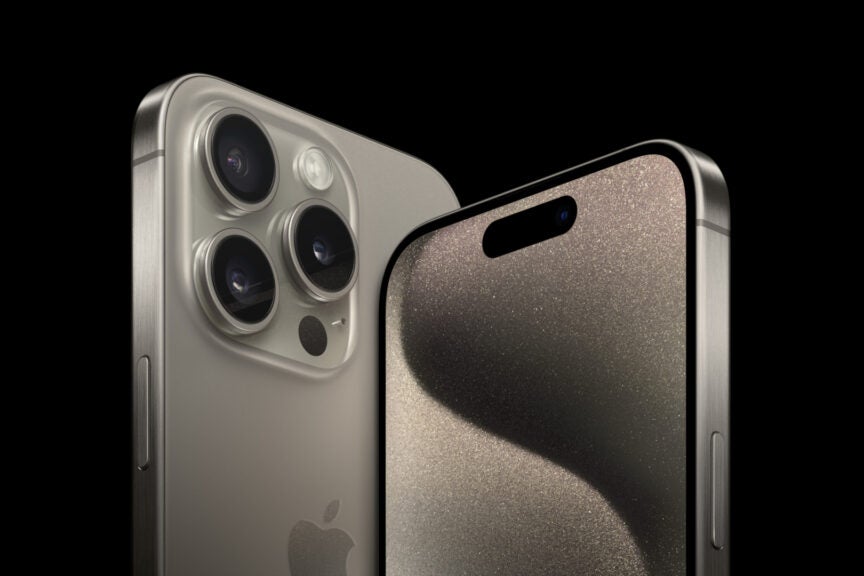
Analysis of Apple's Stock Price Potential

- Significant Investment Returns: Over the past decade, an investment of $10,000 in Apple has grown to approximately $105,000, showcasing its strong growth potential, although future challenges may arise.
- Strong iPhone Sales: In the last three months of 2025, Apple reported a 23% increase in iPhone sales, reaching $85.3 billion, indicating that consumer anticipation for new AI features is driving sales.
- Insufficient Growth Drivers: Despite the surge in iPhone sales, Apple's overall revenue grew only 6% in the most recent fiscal year, indicating a lack of compelling catalysts that could sustain future growth and potentially impact stock performance.
- High Market Valuation: With a market cap of around $4 trillion and a current stock price of $260.76, trading at 33 times earnings, Apple's excellent financial performance may not translate into a doubling of stock value in the near future.
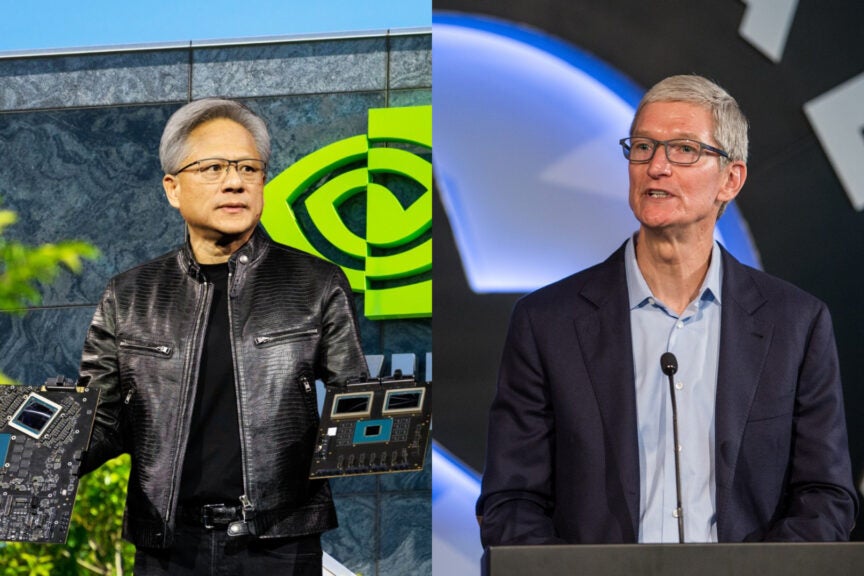
Nvidia Exceeds Expectations with Fiscal 2026 Results


- Impressive Performance: Nvidia achieved a record $215.94 billion in revenue for fiscal 2026, with net income reaching $120.07 billion, demonstrating strong profitability and market demand, and is expected to continue leading the 'Magnificent Seven'.
- Robust Cash Flow: The company generated $96.58 billion in free cash flow, sufficient to cover $41.1 billion in stock repurchases and dividends, indicating a healthy financial position that supports future investments and growth.
- Increased R&D Investment: Nvidia launched the Blackwell architecture in March 2024 and unveiled the Rubin platform in January 2023, showcasing its ongoing innovation in AI aimed at eliminating workload bottlenecks and enhancing market competitiveness.
- Expanding Customer Base: By investing in Anthropic and OpenAI, Nvidia is broadening its customer base and is expected to benefit from the growing demand for AI, solidifying its leadership position in the data center market.

Apple's Product Launches Drive Stock Momentum
- Strong Product Launches: Apple has unveiled a range of new products over the past two days, including the iPhone 17e and M4-powered iPad Air, showcasing its robust positioning in both budget and high-end markets, which is expected to further drive sales growth.
- Significant Revenue Growth: In Q1 of fiscal 2026, Apple's revenue surged 16% year-over-year to a record $143.8 billion, with iPhone sales jumping 23% and accounting for 59% of total revenue, indicating strong market demand.
- Robust Cash Flow: Apple generated $53.9 billion in operating cash flow during Q1, enabling approximately $25 billion in share repurchases while also paying dividends and maintaining a low payout ratio of 13%, reflecting its strong financial health.
- Optimistic Outlook: Management anticipates revenue growth of 13% to 16% in Q2, and despite a price-to-earnings ratio of 33, Apple's high-quality business and strong brand loyalty make its stock attractive, even amid regulatory risks and uncertainties in U.S.-China trade relations.

Nvidia's Earnings Exceed Expectations Amid Surge in AI Demand
- Strong Financial Performance: Nvidia achieved a record $215.94 billion in revenue for fiscal 2026, with net income reaching $120.07 billion, showcasing robust profitability and cash flow that solidifies its leadership in the semiconductor industry.
- Shareholder Return Strategy: The company allocated $41.1 billion for stock repurchases and dividends in fiscal 2026, indicating its strong cash flow capabilities and commitment to shareholders, which is expected to boost investor confidence.
- AI Market Potential: Nvidia is targeting $78 billion in revenue for Q1 fiscal 2027 with a gross margin of 75%, representing a significant 76.9% year-over-year increase, reflecting its market leadership amid surging AI compute demand.
- Strategic Investment Expansion: Nvidia announced a $10 billion investment in Anthropic and is close to investing $30 billion in OpenAI, demonstrating its strategic positioning in the AI sector and commitment to emerging technologies, further broadening its customer base.
Apple Unveils New Studio Display Lineup
- Product Refresh: Apple has introduced an updated Studio Display, retaining its 27-inch 5K Retina panel with 600 nits brightness while adding a 12MP Center Stage camera, enhancing user experience and expected to boost competitiveness in the high-end monitor market.
- Technical Specifications Upgrade: The new Studio Display XDR replaces the Pro Display XDR, featuring a 27-inch 5K Retina XDR panel with 2,304 local dimming zones and supporting up to 2,000 nits peak HDR brightness, significantly improving image quality to meet professional users' demands.
- Enhanced Connectivity: The updated Studio Display features Thunderbolt 3 connectivity, allowing daisy-chaining of up to four displays and providing up to 96W charging power, enhancing device flexibility and compatibility to suit various work environments.
- Market Pricing and Pre-order: The Studio Display starts at $1,599, while the Studio Display XDR starts at $3,299, with pre-orders beginning on March 4, expected to attract professional creators and users in the medical imaging field, further expanding Apple's share in the high-end monitor market.
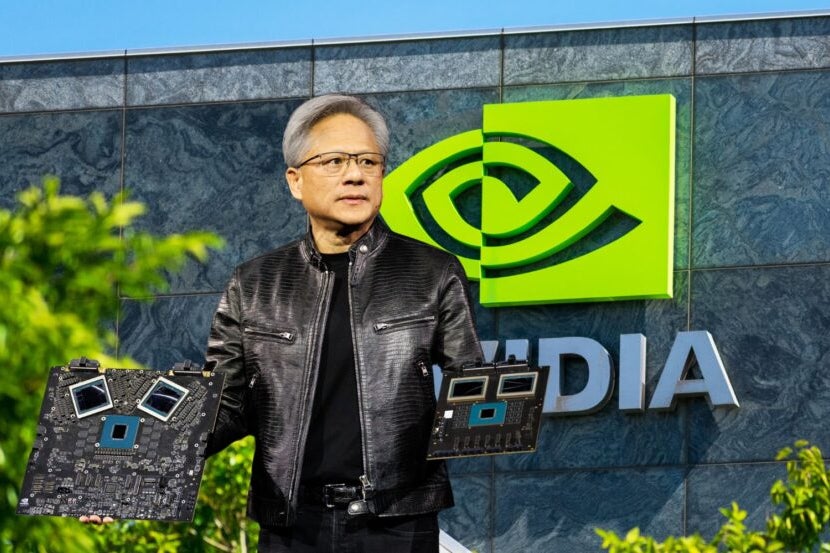
Analyst Bullish on Nvidia's Future Performance
- Analyst Bullish on Nvidia: Bernstein senior analyst Stacy Rasgon expressed on CNBC that Nvidia appears very cheap relative to the broader semiconductor industry, believing that the current AI boom will drive company performance growth, and recommends investors to hold the stock.
- Morgan Stanley Reinstates Recommendation: Morgan Stanley has reinstated Nvidia as its top semiconductor pick, with analyst Joseph Moore noting that the current stock price is about 18 times the expected earnings for 2027, and despite the stock being flat for two quarters, earnings estimates have risen by 38%.
- Concerns Over Downstream Risks: While Nvidia's 73% fiscal year revenue growth is deemed “incredible,” “Big Short” investor Steve Eisman warns that AI spending may pose risks to legacy software companies reliant on private credit, potentially triggering a wave of defaults.
- Market Prediction Dynamics: Prediction markets indicate a 15% chance of an industry downturn if Nvidia's stock falls 50% from its all-time high, with the next catalyst being the GTC conference from March 16-19, where CEO Jensen Huang is expected to unveil the company's four-year roadmap.
Analysis of Apple's Stock Price Potential
- Significant Investment Returns: Over the past decade, an investment of $10,000 in Apple has grown to approximately $105,000, showcasing its strong growth potential, although future challenges may arise.
- Strong iPhone Sales: In the last three months of 2025, Apple reported a 23% increase in iPhone sales, reaching $85.3 billion, indicating that consumer anticipation for new AI features is driving sales.
- Insufficient Growth Drivers: Despite the surge in iPhone sales, Apple's overall revenue grew only 6% in the most recent fiscal year, indicating a lack of compelling catalysts that could sustain future growth and potentially impact stock performance.
- High Market Valuation: With a market cap of around $4 trillion and a current stock price of $260.76, trading at 33 times earnings, Apple's excellent financial performance may not translate into a doubling of stock value in the near future.
Nvidia Exceeds Expectations with Fiscal 2026 Results
- Impressive Performance: Nvidia achieved a record $215.94 billion in revenue for fiscal 2026, with net income reaching $120.07 billion, demonstrating strong profitability and market demand, and is expected to continue leading the 'Magnificent Seven'.
- Robust Cash Flow: The company generated $96.58 billion in free cash flow, sufficient to cover $41.1 billion in stock repurchases and dividends, indicating a healthy financial position that supports future investments and growth.
- Increased R&D Investment: Nvidia launched the Blackwell architecture in March 2024 and unveiled the Rubin platform in January 2023, showcasing its ongoing innovation in AI aimed at eliminating workload bottlenecks and enhancing market competitiveness.
- Expanding Customer Base: By investing in Anthropic and OpenAI, Nvidia is broadening its customer base and is expected to benefit from the growing demand for AI, solidifying its leadership position in the data center market.
Apple's Product Launches Drive Stock Momentum
- Strong Product Launches: Apple has unveiled a range of new products over the past two days, including the iPhone 17e and M4-powered iPad Air, showcasing its robust positioning in both budget and high-end markets, which is expected to further drive sales growth.
- Significant Revenue Growth: In Q1 of fiscal 2026, Apple's revenue surged 16% year-over-year to a record $143.8 billion, with iPhone sales jumping 23% and accounting for 59% of total revenue, indicating strong market demand.
- Robust Cash Flow: Apple generated $53.9 billion in operating cash flow during Q1, enabling approximately $25 billion in share repurchases while also paying dividends and maintaining a low payout ratio of 13%, reflecting its strong financial health.
- Optimistic Outlook: Management anticipates revenue growth of 13% to 16% in Q2, and despite a price-to-earnings ratio of 33, Apple's high-quality business and strong brand loyalty make its stock attractive, even amid regulatory risks and uncertainties in U.S.-China trade relations.
Nvidia's Earnings Exceed Expectations Amid Surge in AI Demand
- Strong Financial Performance: Nvidia achieved a record $215.94 billion in revenue for fiscal 2026, with net income reaching $120.07 billion, showcasing robust profitability and cash flow that solidifies its leadership in the semiconductor industry.
- Shareholder Return Strategy: The company allocated $41.1 billion for stock repurchases and dividends in fiscal 2026, indicating its strong cash flow capabilities and commitment to shareholders, which is expected to boost investor confidence.
- AI Market Potential: Nvidia is targeting $78 billion in revenue for Q1 fiscal 2027 with a gross margin of 75%, representing a significant 76.9% year-over-year increase, reflecting its market leadership amid surging AI compute demand.
- Strategic Investment Expansion: Nvidia announced a $10 billion investment in Anthropic and is close to investing $30 billion in OpenAI, demonstrating its strategic positioning in the AI sector and commitment to emerging technologies, further broadening its customer base.
Apple Unveils New Studio Display Lineup
- Product Refresh: Apple has introduced an updated Studio Display, retaining its 27-inch 5K Retina panel with 600 nits brightness while adding a 12MP Center Stage camera, enhancing user experience and expected to boost competitiveness in the high-end monitor market.
- Technical Specifications Upgrade: The new Studio Display XDR replaces the Pro Display XDR, featuring a 27-inch 5K Retina XDR panel with 2,304 local dimming zones and supporting up to 2,000 nits peak HDR brightness, significantly improving image quality to meet professional users' demands.
- Enhanced Connectivity: The updated Studio Display features Thunderbolt 3 connectivity, allowing daisy-chaining of up to four displays and providing up to 96W charging power, enhancing device flexibility and compatibility to suit various work environments.
- Market Pricing and Pre-order: The Studio Display starts at $1,599, while the Studio Display XDR starts at $3,299, with pre-orders beginning on March 4, expected to attract professional creators and users in the medical imaging field, further expanding Apple's share in the high-end monitor market.
Analyst Bullish on Nvidia's Future Performance
- Analyst Bullish on Nvidia: Bernstein senior analyst Stacy Rasgon expressed on CNBC that Nvidia appears very cheap relative to the broader semiconductor industry, believing that the current AI boom will drive company performance growth, and recommends investors to hold the stock.
- Morgan Stanley Reinstates Recommendation: Morgan Stanley has reinstated Nvidia as its top semiconductor pick, with analyst Joseph Moore noting that the current stock price is about 18 times the expected earnings for 2027, and despite the stock being flat for two quarters, earnings estimates have risen by 38%.
- Concerns Over Downstream Risks: While Nvidia's 73% fiscal year revenue growth is deemed “incredible,” “Big Short” investor Steve Eisman warns that AI spending may pose risks to legacy software companies reliant on private credit, potentially triggering a wave of defaults.
- Market Prediction Dynamics: Prediction markets indicate a 15% chance of an industry downturn if Nvidia's stock falls 50% from its all-time high, with the next catalyst being the GTC conference from March 16-19, where CEO Jensen Huang is expected to unveil the company's four-year roadmap.




