

4 Best Leveraged ETFs of Last Week
Written by Emily J. Thompson, Senior Investment Analyst
Updated: Dec 16 2024
0mins


Should l Buy TSLA?
Source: NASDAQ.COM
Market Performance: Wall Street experienced mixed results last week, with the S&P 500 down 0.6%, Dow Jones down 1.8%, and Nasdaq up 0.3%. Key inflation reports indicated a rise in consumer prices, leading to increased expectations for a rate cut by the Federal Reserve.
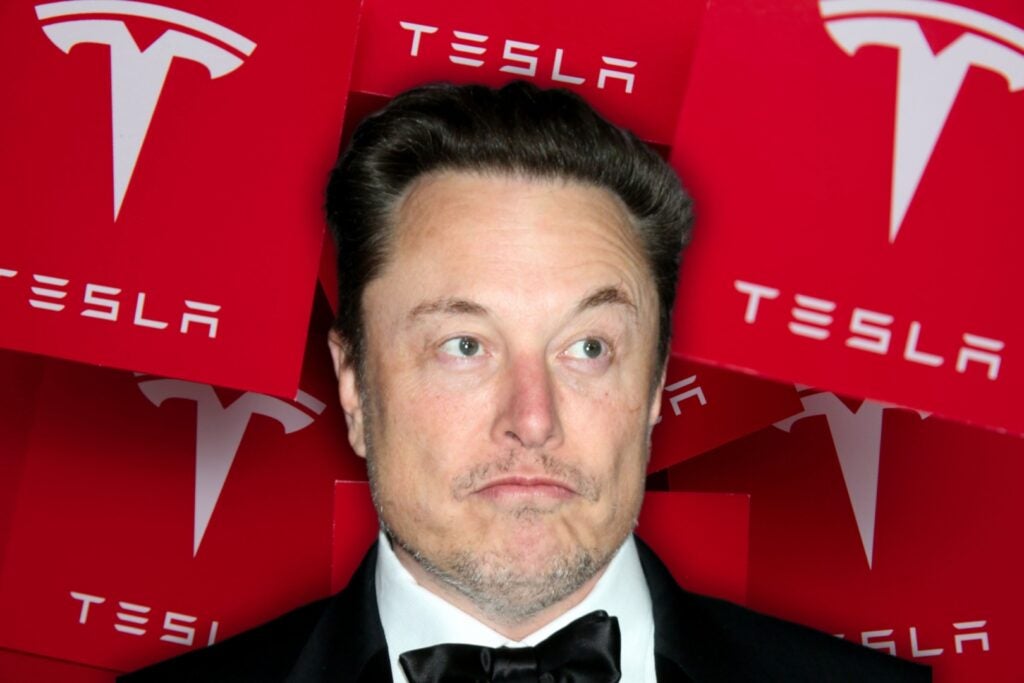
Top Performing ETFs: Tesla's stock surged 9.6% after hitting an all-time high, while Broadcom reported record earnings, causing its shares to jump 24.4%. Other notable ETFs included those tracking Alphabet and consumer discretionary sectors, reflecting strong investor confidence and optimism in the market.
Trade with 70% Backtested Accuracy
Stop guessing "Should I Buy TSLA?" and start using high-conviction signals backed by rigorous historical data.
Sign up today to access powerful investing tools and make smarter, data-driven decisions.
Analyst Views on TSLA
Wall Street analysts forecast TSLA stock price to fall
30 Analyst Rating
12 Buy
11 Hold
7 Sell
Hold
Current: 403.320

Low
25.28
Averages
401.93
High
600.00
Current: 403.320
Low
25.28
Averages
401.93
High
600.00
About TSLA
Tesla, Inc. designs, develops, manufactures, sells and leases high-performance fully electric vehicles and energy generation and storage systems, and offers services related to its products. Its segments include automotive, and energy generation and storage. The automotive segment includes the design, development, manufacturing, sales and leasing of high-performance fully electric vehicles, and sales of automotive regulatory credits. It also includes sales of used vehicles, non-warranty maintenance services and collisions, part sales, paid supercharging, insurance services revenue and retail merchandise sales. The energy generation and storage segment include the design, manufacture, installation, sales and leasing of solar energy generation and energy storage products and related services and sales of solar energy systems incentives. Its consumer vehicles include the Model 3, Y, S, X and Cybertruck. Its lithium-ion battery energy storage products include Powerwall and Megapack.
About the author

Emily J. Thompson
Emily J. Thompson, a Chartered Financial Analyst (CFA) with 12 years in investment research, graduated with honors from the Wharton School. Specializing in industrial and technology stocks, she provides in-depth analysis for Intellectia’s earnings and market brief reports.
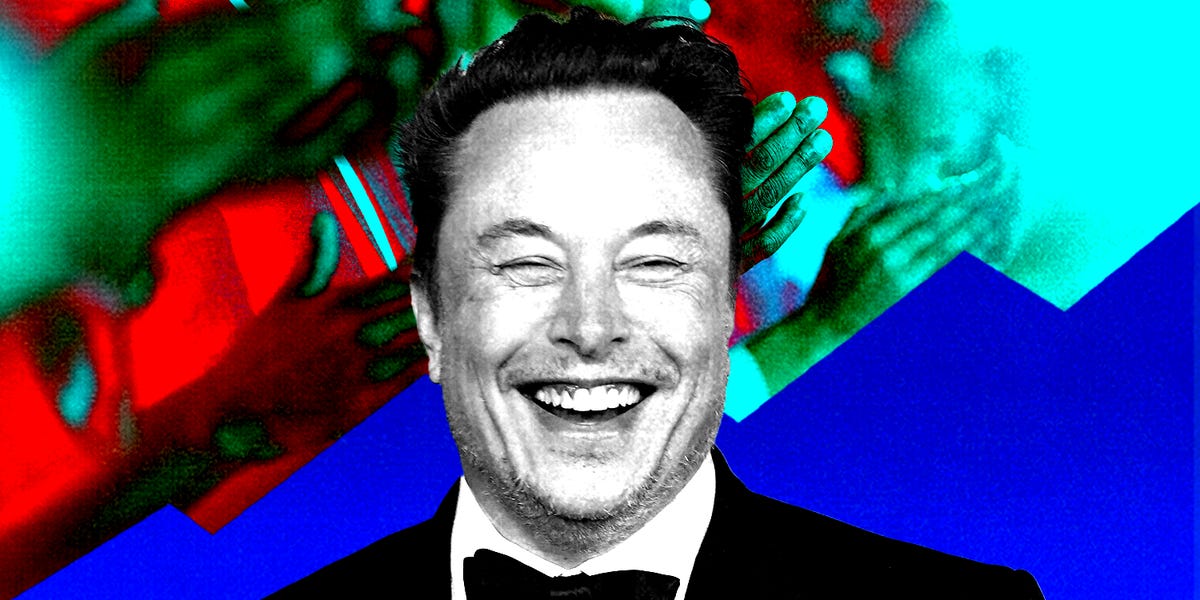
Tesla Doubles Down on AI Investment Amid Risks and Opportunities

- Increased Capital Expenditure: Tesla plans to more than double its capital expenditures from $8.5 billion to $20 billion in 2023, focusing on AI, robotics, and driverless technologies, reflecting the company's ambitious growth strategy but also introducing higher operational risks.
- Product Line Shift: The company will cease production of Model S and X vehicles to focus on manufacturing Optimus robots at its California factory, marking a significant strategic pivot that could impact the profitability of its EV business.
- Market Valuation Pressure: With Tesla trading at nearly 400 times its trailing earnings, investor expectations for future growth are extremely high, and failure to meet these expectations could lead to a significant sell-off in the stock, increasing investment risks.
- Long-Term Development Goals: Musk aims to launch Optimus robots to the public by 2027, and while this vision holds potential, the risks associated with the transition could adversely affect the company's short-term financial performance.
See More

Charlie Munger Exits BYD Before Sales Decline
- Significant Investment Return: Charlie Munger invested $230 million in BYD in 2008 for a 10% stake, marking it as a successful investment for Berkshire Hathaway; however, the firm began exiting its position in 2022 and fully sold its stake by Q3 2025, just before a sales decline.
- Sales Decline Raises Concerns: According to Trung Phan on social media, BYD's sales dropped in the first two months of 2026, raising widespread market concern, particularly from Tesla CEO Elon Musk, who expressed worries about the trend.
- Market Sensitivity: Munger noted in an interview that he had never made a better investment at Berkshire than BYD, highlighting the company's influence in the EV market, yet the sales decline could impact its future market performance.
- Strategic Exit Timing: Berkshire's exit coincided with BYD's sales drop, indicating investors' sensitivity to market dynamics and risk aversion, which may affect other investors' confidence and market expectations.
See More
Nvidia's Data Center Drives Growth with AI Innovations


- Data Center Dominance: Nvidia's fiscal 2026 revenue reached $215.9 billion, with data centers contributing 89.7%, highlighting its strong demand in the AI sector and market leadership, which will continue to drive growth.
- New Product Architecture: The newly launched Rubin architecture features six new chips designed to capitalize on the 'agentic AI inflection point', enhancing computational capabilities and providing robust support for enterprise-level AI applications, likely expanding market share.
- Physical AI Potential: Although physical AI contributed over $6 billion to Nvidia's 2026 revenue, accounting for less than 3% of total revenue, the anticipated proliferation of autonomous driving and robotics is expected to create hundreds of billions in market opportunities, driving diversified growth.
- Long-Term Growth Outlook: Nvidia's investment strategy does not rely on the rapid rise of physical AI, as its existing generative AI business is already a high-margin cash cow, and widespread adoption of agentic AI will further enhance the company's overall growth potential.
See More
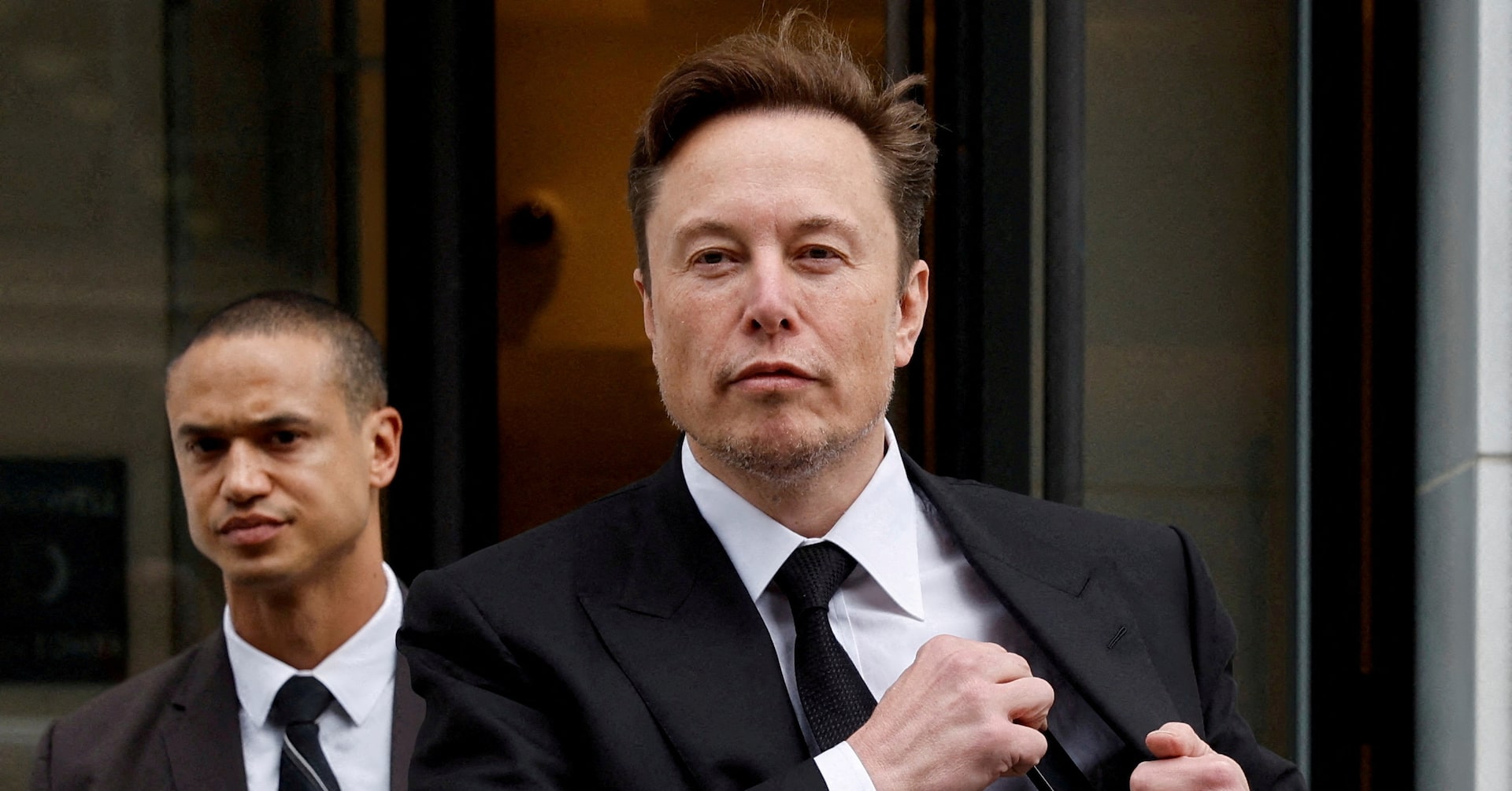
Tesla Loses Carbon Credit Revenue Stream as Major Clients Exit

- Client Loss Impact: Toyota and Stellantis have exited Tesla's carbon credit pool, indicating they will not purchase credits for 2026, which leads to a significant loss of revenue for Tesla and could adversely affect its future financial performance.
- Self-Reduction Strategy: Toyota aims to reduce emissions through new electric models like the bZ4X and Urban Cruiser, demonstrating confidence in its ability to manage emissions independently, potentially weakening Tesla's competitive edge in the carbon credit market.
- Independent Pool Plans: Stellantis is collaborating with Leapmotor to establish its own carbon credit pool, a move that could further dilute Tesla's market share and impact its standing in carbon credit trading.
- Stock Price Reaction: Tesla's stock fell 2.98% to $392.43 at market close on Tuesday, with an additional decline of 0.29% in after-hours trading, reflecting market concerns over the loss of carbon credit customers.
See More
Nvidia Reports Record Revenue for Fiscal 2026
- Impressive Financials: Nvidia achieved a record $215.9 billion in revenue and $120.1 billion in net income for fiscal 2026, demonstrating strong performance in the data center segment, which is expected to continue driving stock growth over the next decade.
- Data Center Dominance: Data centers accounted for 89.7% of Nvidia's fiscal 2026 revenue, and while other segments like gaming and AI personal computing contribute less, there remains significant growth potential in these areas.
- New Product Architecture: The newly launched Rubin architecture features six new chips designed to support generative and agentic AI applications, which are expected to drive enterprise adoption of AI agents and expand market opportunities.
- Physical AI Market Potential: Nvidia's physical AI has already contributed over $6 billion in revenue for fiscal 2026, and although it currently serves niche markets, the expected proliferation of robotaxis and robotics could generate hundreds of billions in revenue over the next decade.
See More
Concerns Rise Over AI's Impact on Employment

- Government Intervention Risk: Palantir CEO Karp warned at the Andreessen Horowitz summit that if AI leads to significant white-collar job losses while weakening ties with the U.S. military, Silicon Valley could face government intervention, raising concerns about the nationalization of technology.
- Layoff Trends Intensify: Block announced plans to cut about 40% of its workforce, with CEO Dorsey stating that AI tools enable companies to operate with smaller teams, reflecting a broader trend of layoffs across industries as firms like Amazon, HP, and Meta redirect spending towards AI initiatives.
- Growing Market Anxiety: Despite economists noting limited evidence of widespread AI-driven job losses, anxiety is rising as AI increasingly influences corporate hiring and restructuring decisions, particularly amid labor market churn and concerns about employment stability.
- Importance of Vocational Training: Karp previously argued that AI could reshape employment patterns and reduce the need for large-scale immigration, emphasizing the value of vocational training workers in the future job market and challenging the notion that traditional white-collar jobs are insulated from automation.
See More
Tesla Doubles Down on AI Investment Amid Risks and Opportunities
- Increased Capital Expenditure: Tesla plans to more than double its capital expenditures from $8.5 billion to $20 billion in 2023, focusing on AI, robotics, and driverless technologies, reflecting the company's ambitious growth strategy but also introducing higher operational risks.
- Product Line Shift: The company will cease production of Model S and X vehicles to focus on manufacturing Optimus robots at its California factory, marking a significant strategic pivot that could impact the profitability of its EV business.
- Market Valuation Pressure: With Tesla trading at nearly 400 times its trailing earnings, investor expectations for future growth are extremely high, and failure to meet these expectations could lead to a significant sell-off in the stock, increasing investment risks.
- Long-Term Development Goals: Musk aims to launch Optimus robots to the public by 2027, and while this vision holds potential, the risks associated with the transition could adversely affect the company's short-term financial performance.
See More
Charlie Munger Exits BYD Before Sales Decline
- Significant Investment Return: Charlie Munger invested $230 million in BYD in 2008 for a 10% stake, marking it as a successful investment for Berkshire Hathaway; however, the firm began exiting its position in 2022 and fully sold its stake by Q3 2025, just before a sales decline.
- Sales Decline Raises Concerns: According to Trung Phan on social media, BYD's sales dropped in the first two months of 2026, raising widespread market concern, particularly from Tesla CEO Elon Musk, who expressed worries about the trend.
- Market Sensitivity: Munger noted in an interview that he had never made a better investment at Berkshire than BYD, highlighting the company's influence in the EV market, yet the sales decline could impact its future market performance.
- Strategic Exit Timing: Berkshire's exit coincided with BYD's sales drop, indicating investors' sensitivity to market dynamics and risk aversion, which may affect other investors' confidence and market expectations.
See More
Nvidia's Data Center Drives Growth with AI Innovations
- Data Center Dominance: Nvidia's fiscal 2026 revenue reached $215.9 billion, with data centers contributing 89.7%, highlighting its strong demand in the AI sector and market leadership, which will continue to drive growth.
- New Product Architecture: The newly launched Rubin architecture features six new chips designed to capitalize on the 'agentic AI inflection point', enhancing computational capabilities and providing robust support for enterprise-level AI applications, likely expanding market share.
- Physical AI Potential: Although physical AI contributed over $6 billion to Nvidia's 2026 revenue, accounting for less than 3% of total revenue, the anticipated proliferation of autonomous driving and robotics is expected to create hundreds of billions in market opportunities, driving diversified growth.
- Long-Term Growth Outlook: Nvidia's investment strategy does not rely on the rapid rise of physical AI, as its existing generative AI business is already a high-margin cash cow, and widespread adoption of agentic AI will further enhance the company's overall growth potential.
See More
Tesla Loses Carbon Credit Revenue Stream as Major Clients Exit
- Client Loss Impact: Toyota and Stellantis have exited Tesla's carbon credit pool, indicating they will not purchase credits for 2026, which leads to a significant loss of revenue for Tesla and could adversely affect its future financial performance.
- Self-Reduction Strategy: Toyota aims to reduce emissions through new electric models like the bZ4X and Urban Cruiser, demonstrating confidence in its ability to manage emissions independently, potentially weakening Tesla's competitive edge in the carbon credit market.
- Independent Pool Plans: Stellantis is collaborating with Leapmotor to establish its own carbon credit pool, a move that could further dilute Tesla's market share and impact its standing in carbon credit trading.
- Stock Price Reaction: Tesla's stock fell 2.98% to $392.43 at market close on Tuesday, with an additional decline of 0.29% in after-hours trading, reflecting market concerns over the loss of carbon credit customers.
See More
Nvidia Reports Record Revenue for Fiscal 2026
- Impressive Financials: Nvidia achieved a record $215.9 billion in revenue and $120.1 billion in net income for fiscal 2026, demonstrating strong performance in the data center segment, which is expected to continue driving stock growth over the next decade.
- Data Center Dominance: Data centers accounted for 89.7% of Nvidia's fiscal 2026 revenue, and while other segments like gaming and AI personal computing contribute less, there remains significant growth potential in these areas.
- New Product Architecture: The newly launched Rubin architecture features six new chips designed to support generative and agentic AI applications, which are expected to drive enterprise adoption of AI agents and expand market opportunities.
- Physical AI Market Potential: Nvidia's physical AI has already contributed over $6 billion in revenue for fiscal 2026, and although it currently serves niche markets, the expected proliferation of robotaxis and robotics could generate hundreds of billions in revenue over the next decade.
See More
Concerns Rise Over AI's Impact on Employment
- Government Intervention Risk: Palantir CEO Karp warned at the Andreessen Horowitz summit that if AI leads to significant white-collar job losses while weakening ties with the U.S. military, Silicon Valley could face government intervention, raising concerns about the nationalization of technology.
- Layoff Trends Intensify: Block announced plans to cut about 40% of its workforce, with CEO Dorsey stating that AI tools enable companies to operate with smaller teams, reflecting a broader trend of layoffs across industries as firms like Amazon, HP, and Meta redirect spending towards AI initiatives.
- Growing Market Anxiety: Despite economists noting limited evidence of widespread AI-driven job losses, anxiety is rising as AI increasingly influences corporate hiring and restructuring decisions, particularly amid labor market churn and concerns about employment stability.
- Importance of Vocational Training: Karp previously argued that AI could reshape employment patterns and reduce the need for large-scale immigration, emphasizing the value of vocational training workers in the future job market and challenging the notion that traditional white-collar jobs are insulated from automation.
See More




